
1. Understanding What Oral Hygiene Includes
Oral hygiene is far more than just brushing your teeth twice a day. In the United States, where over 47% of adults aged 30 and older show signs of gum disease, understanding what proper oral hygiene includes can make the difference between a healthy smile and a lifetime of dental problems.
Oral hygiene refers to the set of practices that keep the mouth clean and free from disease. This includes caring for your teeth, gums, tongue, and even the tissues inside your cheeks. While the basics are simple, maintaining consistency and using the right techniques are crucial.
2. Core Components of an Effective Oral Hygiene Routine
2.1. Brushing: The Foundation of Oral Care
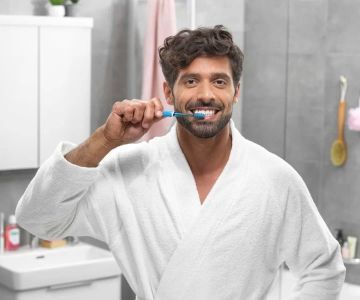
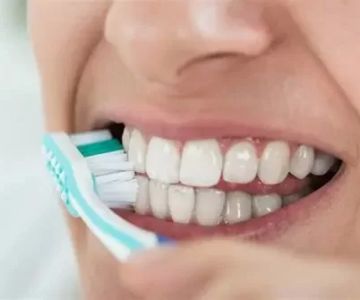
Brushing your teeth is the most widely recognized part of dental hygiene—but many Americans still don’t do it properly. The American Dental Association (ADA) recommends brushing twice a day for two minutes using a fluoride toothpaste and a soft-bristled toothbrush.
Techniques matter. Circular motions at a 45-degree angle to the gums help remove plaque without damaging enamel. Don’t forget to brush your tongue and the roof of your mouth, where bacteria love to linger.
2.2. Flossing: The Unsung Hero of Dental Health
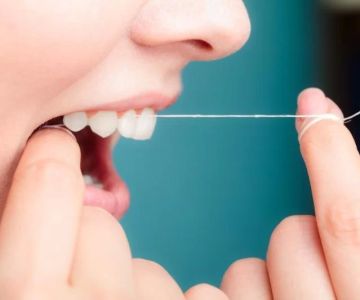
Flossing isn’t just for removing spinach stuck between your teeth—it plays a critical role in preventing gum disease and cavities. Daily flossing removes plaque and food particles from areas your toothbrush can’t reach.
Floss gently and curve it around the base of each tooth, sliding beneath the gumline. Skipping this step could leave nearly 35% of your tooth surfaces uncleaned.
2.3. Rinsing and Mouthwash Use
Mouthwash is more than a minty breath freshener. Therapeutic mouthwashes help reduce bacteria, plaque, and even gingivitis. Look for ADA-approved products that contain antimicrobial or fluoride ingredients.
Rinsing also helps dislodge leftover debris after brushing or flossing, especially if you’ve recently eaten sugary or acidic foods.
2.4. Hydration and Saliva Health
Saliva plays a vital role in maintaining oral health by washing away particles and neutralizing acids. Staying hydrated is essential for saliva production, especially for individuals on medications that may cause dry mouth.
Chewing sugar-free gum or sucking on xylitol lozenges can stimulate saliva and protect against tooth decay.
2.5. Diet and Nutritional Habits
Your diet impacts your oral hygiene as much as your daily care routine. Foods high in calcium and vitamin D, like dairy and leafy greens, help strengthen enamel and bones. Crunchy fruits and vegetables like apples and carrots also act as natural tooth scrubbers.
Limiting sugary snacks, acidic beverages, and tobacco can significantly lower your risk of decay and gum issues. Moderation and balance are key.
3. The Role of Professional Dental Care
3.1. Regular Dental Checkups
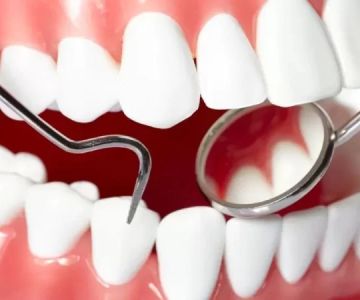
Visiting your dentist every six months isn’t just about cleanings. Dental professionals catch early signs of problems like cavities, gingivitis, or even oral cancer before they worsen. These visits also provide an opportunity for personalized care advice tailored to your lifestyle.
At practices like Family Dentistry Online, patients receive not only top-tier cleanings but also education on how to maintain oral health between visits.
3.2. Deep Cleanings and Scaling
For individuals with early gum disease, professional scaling and root planing help remove plaque and tartar below the gumline. These procedures can reverse early-stage periodontal conditions and prevent tooth loss.
If you've experienced persistent bleeding gums or bad breath despite daily hygiene, deep cleanings may be recommended.
4. Real Stories That Show Why Oral Hygiene Matters
4.1. Mark’s Wake-Up Call at 37
Mark, a software developer from Austin, brushed daily but skipped flossing for years. During a routine cleaning, his dentist found early-stage gum disease. “I didn’t think it was a big deal,” Mark shared, “until I started losing gum tissue. That’s when I realized oral hygiene was about more than teeth.”
With professional help and a renewed daily routine, Mark reversed his condition and now flosses religiously—calling it his "2-minute life insurance."
4.2. Emily’s Teenage Orthodontic Journey
Emily, a high schooler in Ohio, had braces for two years. Her orthodontist emphasized the importance of meticulous brushing and using floss threaders. “It was a lot of work, but worth it,” she said. “I saw kids in my class take off their braces and find stains or cavities. That didn’t happen to me.”
Emily’s experience shows how early education and consistency can preserve a healthy smile, even under challenging conditions like braces.
5. Common Mistakes That Undermine Oral Hygiene
5.1. Overbrushing and Using the Wrong Tools
Many people believe scrubbing harder means cleaner teeth, but that’s a myth. Brushing too hard or using a stiff-bristled brush can erode enamel and irritate gums. Always opt for a soft-bristled brush and replace it every three to four months—or sooner if the bristles are frayed.
5.2. Ignoring Bleeding Gums
If your gums bleed when brushing or flossing, it’s not “normal”—it’s a warning sign. Ignoring it can allow gingivitis to progress into full-blown periodontal disease. Treat symptoms early by improving your hygiene routine and consulting a dentist.
5.3. Using Mouthwash as a Substitute
Mouthwash can’t replace brushing and flossing. It’s a supplement, not a shortcut. Relying solely on rinsing leads to plaque buildup and disguised problems. Think of it as a bonus step—not the main event.
6. Oral Hygiene in the American Lifestyle
Between busy schedules and on-the-go meals, Americans often overlook oral care. However, integrating hygiene into daily routines is simpler than it seems. Travel-size floss and brushes, sugar-free gum, and even mobile dental apps help maintain accountability.
Modern oral health is also closely tied to self-esteem and mental wellness. A healthy smile boosts confidence in both personal and professional life, making oral hygiene an investment in overall quality of life.
7. Building a Sustainable Oral Hygiene Habit
Consistency is the key to lasting dental health. Experts recommend anchoring oral hygiene habits to existing routines—like brushing right after breakfast and before bed. Using timers, habit-tracking apps, or even visual reminders in the bathroom can reinforce these behaviors.
Families benefit from involving kids early and making the process engaging. Let children pick their toothbrush colors, use musical timers, or track a “cavity-free” calendar to build healthy habits from the start.
For personalized guidance and service recommendations tailored to your unique needs, explore trusted resources from Family Dentistry Online. Whether you're just starting your oral health journey or need advanced support, the right care is just a click away.


 Tamaro Frank a DDS0.0 (0 review)
 Valley Creek Family Dentistry4.0 (201 review)
 UPPER MORELAND DENTISTRY4.0 (56 review)
 Community Health Care Hilltop Family Dental Clinic3.0 (188 review)
 Smileyville Braces and Invisalign4.0 (431 review)
 Stratford Dental Center4.0 (43 review)
 The Importance of Oral Health Education During Pregnancy for a Healthy Pregnancy
 Best Tips for Brushing Your Teeth Properly for Healthy Gums: Essential Techniques for Oral Health
 Why Skipping Dental Checkups Can Lead to Bigger Oral Health Problems
 Advantages of Porcelain Dental Restorations
 How Can Diabetes Cause Tooth and Gum Problems? Preventing and Managing Oral Health Issues
 Healthy Habits for Promoting Good Oral Health and Hygiene: Tips for a Healthy Smile