
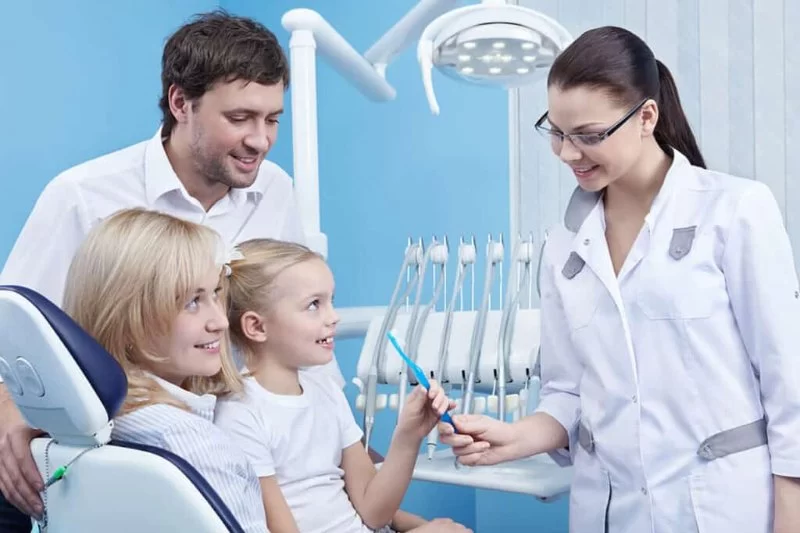
Understanding the Importance of Pediatric Dentistry
When it comes to taking care of your child’s teeth, the right dental care is crucial for ensuring a lifetime of healthy smiles. As parents, we want the best for our children, which includes ensuring that their dental health is in good hands. But what makes pediatric dentistry different from general dentistry, and why should you consider taking your child to a pediatric dentist? In this article, I’ll share the benefits of choosing a pediatric dentist for your child’s dental needs and how this specialized care can make a significant difference in their long-term oral health.
1. The Specialization of Pediatric Dentists
At first glance, you might think that all dentists are the same. However, pediatric dentists are specifically trained to meet the unique dental needs of children, from infancy to adolescence. While general dentists are equipped to treat adults, pediatric dentists receive additional training in child development, behavior management, and specific dental issues that are common among children.
1.1 Additional Training and Qualifications
After completing dental school, pediatric dentists undergo an additional two to three years of specialized training in pediatric dentistry. This training allows them to understand the nuances of children’s oral health, including teething, cavity prevention, orthodontics, and the treatment of dental injuries that are common in young children. Their expertise in handling children’s dental anxieties and providing gentle care is essential in fostering a positive dental experience for your little one.
1.2 Understanding Child Development
Children’s teeth go through several stages of development, and a pediatric dentist is trained to monitor these stages closely. From the eruption of baby teeth to the transition to permanent teeth, a pediatric dentist will know what to expect and when to expect it. This knowledge is crucial for identifying potential problems early on and preventing long-term issues.
2. Building a Positive Relationship with Dental Visits
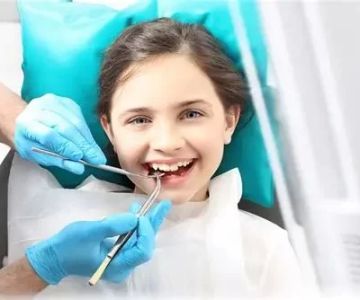
For many children, the thought of going to the dentist can be overwhelming. This fear is common, but pediatric dentists are specifically trained to make dental visits as comfortable and anxiety-free as possible. By using child-friendly language, gentle techniques, and a fun, welcoming office environment, pediatric dentists aim to build trust with young patients, making future visits less stressful.
2.1 Creating a Kid-Friendly Environment
Many pediatric dental offices are designed to be as comforting and engaging as possible for children. Bright colors, toys, and even TVs or tablets with cartoons often line the walls. This kid-friendly atmosphere helps children feel more at ease, reducing anxiety and fear. By providing a calm and entertaining environment, pediatric dentists help ensure that children associate dental visits with positive experiences.
2.2 Managing Dental Anxiety in Children
Many children experience dental anxiety, but pediatric dentists are skilled at helping children overcome this fear. Techniques such as explaining the procedure in a simple, non-threatening way or using “tell-show-do” techniques can help children feel in control of their experience. Some pediatric dentists even offer sedation options, such as nitrous oxide (laughing gas), to ensure that the child remains calm and comfortable during the procedure.
3. Preventive Care and Early Detection
One of the biggest benefits of visiting a pediatric dentist is the focus on preventive care. Pediatric dentists emphasize the importance of regular checkups, cleanings, and oral hygiene education from an early age. These visits help ensure that any potential issues are caught before they become serious, saving both time and money in the long run.
3.1 Early Cavity Detection and Prevention
Cavities are one of the most common dental issues children face, but they can often be prevented with early intervention. Pediatric dentists are adept at recognizing the early signs of cavities and other dental problems, such as misalignment or gum disease. Regular checkups and cleanings can help remove plaque buildup and fluoride treatments can strengthen teeth, providing extra protection against decay.
3.2 Education on Proper Oral Hygiene
Pediatric dentists take the time to educate both parents and children about proper oral hygiene practices. They provide guidance on brushing and flossing techniques, as well as advice on nutrition and the impact of sugary foods on oral health. This education empowers children to take an active role in maintaining their dental health and reduces the risk of future dental problems.
4. Specialized Care for Orthodontic Needs
As your child’s teeth develop, they may eventually need braces or other orthodontic treatment. Pediatric dentists are often able to detect misalignment early and make referrals to orthodontists when necessary. Some pediatric dentists even offer orthodontic services, allowing your child to receive comprehensive care in one place. Early intervention can make a significant difference in the effectiveness of orthodontic treatments, ensuring that your child’s teeth and smile develop properly.
4.1 The Importance of Early Orthodontic Evaluation
Many children benefit from early orthodontic evaluations around the age of seven. During this evaluation, the pediatric dentist or orthodontist will assess how the teeth are developing and may suggest early treatments such as space maintainers or braces. Early intervention can help prevent more serious dental issues down the road, such as overcrowding or bite problems.
5. Long-Term Oral Health Benefits
By taking your child to a pediatric dentist, you are laying the foundation for a lifetime of good oral health. The benefits of establishing healthy dental habits early on are immeasurable. Regular visits to the pediatric dentist will help your child develop a positive attitude toward oral care, which can carry through into adulthood.
5.1 Setting the Stage for a Lifetime of Healthy Teeth
Children who visit a pediatric dentist regularly and receive preventive care are more likely to avoid serious dental problems in the future. Proper care, including routine cleanings, fluoride treatments, and the education they receive, sets the stage for a lifetime of healthy teeth. These early visits are key to preventing problems such as gum disease, tooth decay, and even tooth loss later in life.
5.2 Building Confidence in Oral Care
When children have positive dental experiences, they are more likely to continue taking care of their teeth as they grow older. Building a routine of brushing and flossing, coupled with regular visits to the pediatric dentist, helps children feel confident about their oral health. This confidence carries into adulthood, encouraging lifelong dental habits that will benefit them for years to come.
In conclusion, choosing a pediatric dentist for your child’s dental care provides many advantages. From specialized training to creating a welcoming environment, pediatric dentists are dedicated to ensuring your child’s oral health is in the best hands. If you're looking for a reliable pediatric dentist to care for your child’s teeth, visit Family Dentistry Online to find the best options for your family.


 Brace Busters3.0 (2 review)
 Sonrisas Dental Studio3.0 (101 review)
 Equitas Health Short North Medical Center3.0 (96 review)
 Greater Essex Dental4.0 (69 review)
 Corrie J Crowe DDS4.0 (149 review)
 CAMcare Health Corporation- Clementon4.0 (341 review)
 The Importance of Oral Health Education During Pregnancy for a Healthy Pregnancy
 Best Tips for Brushing Your Teeth Properly for Healthy Gums: Essential Techniques for Oral Health
 Why Skipping Dental Checkups Can Lead to Bigger Oral Health Problems
 Advantages of Porcelain Dental Restorations
 How Can Diabetes Cause Tooth and Gum Problems? Preventing and Managing Oral Health Issues
 Healthy Habits for Promoting Good Oral Health and Hygiene: Tips for a Healthy Smile