
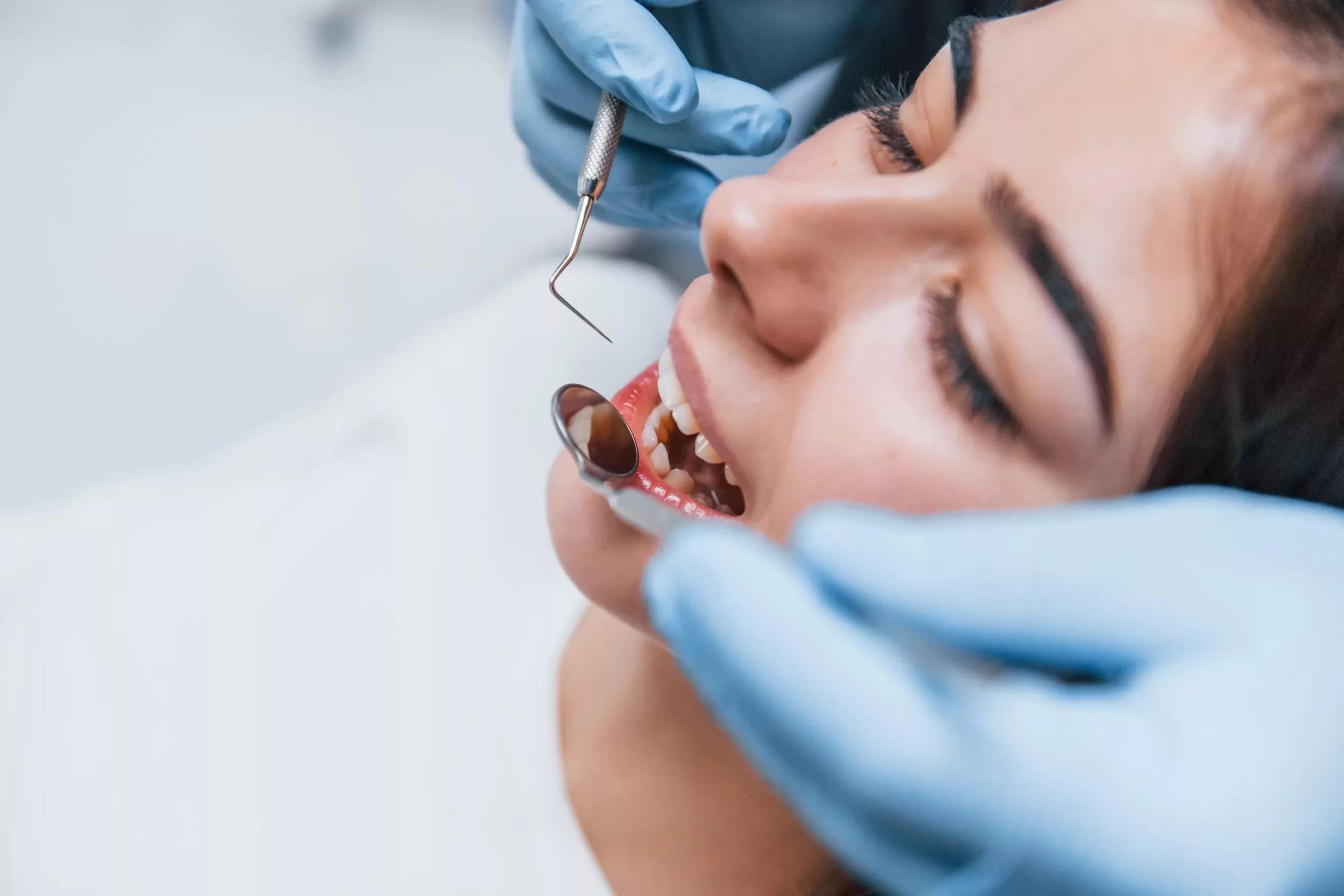
How to Deal with Tooth Sensitivity from Gum Recession: Effective Solutions
- 1. What is Gum Recession and How Does It Cause Tooth Sensitivity?
- 2. Why Does Gum Recession Lead to Tooth Sensitivity?
- 3. How to Relieve Tooth Sensitivity from Gum Recession
- 4. Long-Term Solutions to Prevent Further Tooth Sensitivity
- 5. A Real-Life Story: How One Patient Dealt with Gum Recession
1. What is Gum Recession and How Does It Cause Tooth Sensitivity?
Gum recession occurs when the gum tissue that surrounds your teeth starts to pull back, exposing the sensitive root surfaces of your teeth. This process can happen due to a variety of factors, such as poor oral hygiene, aging, genetics, or aggressive brushing. When the gum tissue recedes, it exposes areas of the tooth that are normally protected by enamel, leading to increased sensitivity.
Tooth sensitivity from gum recession can cause discomfort when eating hot, cold, or sweet foods. It may also be triggered by air exposure or brushing your teeth. Understanding the cause of your sensitivity is crucial for determining the most effective treatment.
2. Why Does Gum Recession Lead to Tooth Sensitivity?
The roots of your teeth are naturally softer than the crown and lack the protective enamel layer. When gum recession exposes the roots, they become vulnerable to temperature changes and certain foods. As the root surface is not protected by enamel, it can lead to nerve irritation, causing tooth sensitivity.
Additionally, the exposed areas are more prone to plaque buildup and decay, which can worsen sensitivity over time. If left untreated, gum recession can result in more serious oral health issues, such as tooth decay and even tooth loss.
3. How to Relieve Tooth Sensitivity from Gum Recession
If you're experiencing tooth sensitivity due to gum recession, there are several steps you can take to alleviate discomfort:
- Use Toothpaste for Sensitive Teeth: Special toothpaste formulated for sensitive teeth contains compounds that help block the transmission of pain signals from the surface of the tooth to the nerve. Using this type of toothpaste regularly can provide relief from sensitivity.
- Switch to a Soft-Bristled Toothbrush: Brushing too hard with a hard-bristled toothbrush can further damage your gums and exacerbate sensitivity. Opt for a soft-bristled toothbrush and brush gently in circular motions to prevent gum irritation.
- Consider Desensitizing Treatments: Your dentist may apply a desensitizing agent to the affected areas, which can help reduce sensitivity. These treatments work by blocking nerve endings in the exposed root surface.
- Wear a Mouthguard: If you grind your teeth at night, a custom-fit mouthguard can protect your teeth from further damage and reduce sensitivity caused by grinding or clenching.
These home remedies can provide temporary relief, but it’s essential to consult your dentist for a comprehensive treatment plan, especially if your sensitivity persists.
4. Long-Term Solutions to Prevent Further Tooth Sensitivity
While short-term relief is important, addressing the root causes of gum recession and tooth sensitivity is key for long-term oral health:
- Improve Oral Hygiene Practices: Brush your teeth twice a day with a fluoride toothpaste, and be sure to floss daily. Proper oral hygiene prevents gum disease, which is a common cause of gum recession.
- Visit Your Dentist Regularly: Regular check-ups allow your dentist to monitor your gum health and catch any signs of gum recession early. Your dentist may also recommend professional treatments like fluoride applications or deep cleanings.
- Gum Grafting: If gum recession is severe, a gum graft procedure may be necessary. During this procedure, your dentist or periodontist will take tissue from another part of your mouth and graft it onto the recessed area, helping to restore gum coverage and protect the exposed roots.
- Modify Habits: If you have habits like grinding your teeth or brushing aggressively, work on modifying them. A dentist may fit you with a nightguard to prevent teeth grinding, and they can guide you on proper brushing techniques to avoid further gum damage.
Addressing gum recession early with these solutions can help prevent further damage and reduce the risk of long-term sensitivity.
5. A Real-Life Story: How One Patient Dealt with Gum Recession
Sarah, a 45-year-old woman, had been experiencing sharp tooth sensitivity for months. She noticed that it was worse when she ate cold foods or drank hot beverages. After visiting her dentist, Sarah was diagnosed with gum recession on her lower front teeth. Her dentist explained that her brushing habits had been too aggressive, contributing to the recession.
Sarah’s dentist recommended switching to a soft-bristled toothbrush, using a toothpaste for sensitive teeth, and applying fluoride treatments to help reduce the sensitivity. Additionally, Sarah was given tips on proper brushing techniques and how to avoid further gum recession. Over time, Sarah's sensitivity improved, and she was able to enjoy her favorite foods without discomfort.
Her story highlights how taking the right steps and seeking professional help can lead to significant improvements in managing gum recession and tooth sensitivity.




 Elite Dentistry - Mehran Rastegar Lari D.D.S.5.0 (6 review)
 Almond Dental Maple Grove4.0 (413 review)
 David M. Wolf DDS, PC5.0 (298 review)
 White Eagle Family Dentistry4.0 (22 review)
 ABC Dental Group4.0 (73 review)
 Scott Silverman, MD3.0 (6 review)
 The Importance of Oral Health Education During Pregnancy for a Healthy Pregnancy
 Best Tips for Brushing Your Teeth Properly for Healthy Gums: Essential Techniques for Oral Health
 Why Skipping Dental Checkups Can Lead to Bigger Oral Health Problems
 Advantages of Porcelain Dental Restorations
 How Can Diabetes Cause Tooth and Gum Problems? Preventing and Managing Oral Health Issues
 Healthy Habits for Promoting Good Oral Health and Hygiene: Tips for a Healthy Smile