
Sedation Options for Dental Patients: How They Differ and What to Expect
Dental visits can be a source of anxiety for many people, whether it’s due to the sounds, the tools, or simply the fear of pain. Luckily, modern dentistry offers a variety of sedation options to make your dental procedures more comfortable and less stressful. If you're one of those who experience dental anxiety, understanding the different sedation options available can help you make an informed decision and ensure a more relaxed visit to your dentist.
In this article, we’ll explore the different sedation options for dental patients, how they differ, and what you can expect during your visit. Whether you're undergoing a routine cleaning or a more complex dental procedure, sedation can be an excellent way to ease your nerves and ensure a smooth experience.
Types of Sedation Used in Dentistry
1. Local Anesthesia
Local anesthesia is the most common and basic form of sedation used in dental procedures. This method numbs a specific area of the mouth where the dentist will be working, ensuring that the patient does not feel pain during the procedure. While it doesn't induce sleep or affect the patient’s awareness, it is effective for most minor dental procedures like fillings, cleanings, or simple extractions.
What to Expect: You will remain fully awake and aware during the procedure, but the numbed area of your mouth will feel completely insensitive. The effects typically wear off a few hours after the procedure, though you may experience some mild numbness for a short period.
2. Nitrous Oxide (Laughing Gas)
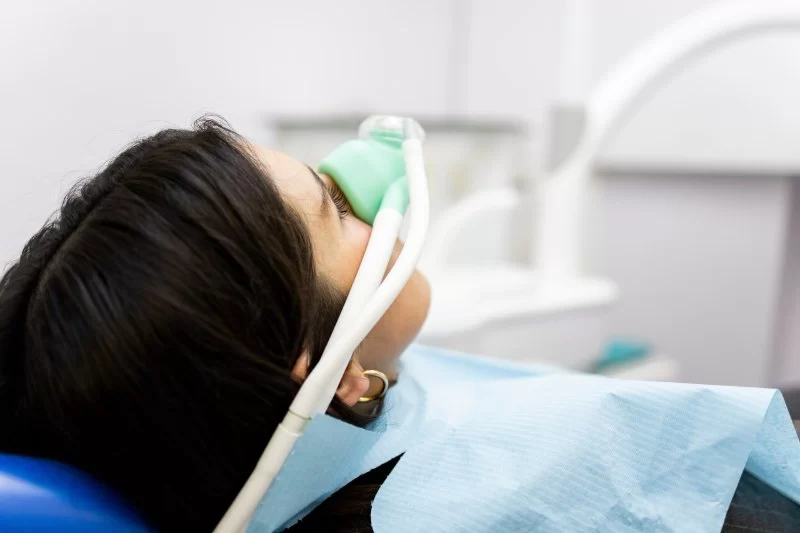
Nitrous oxide, commonly known as laughing gas, is a mild sedative that helps to relax patients during dental procedures. It's administered through a small mask placed over your nose, and as you breathe in the gas, you'll begin to feel calm and relaxed. Nitrous oxide is often used for patients with mild anxiety or for those undergoing procedures that might cause slight discomfort.
What to Expect: You will remain conscious and able to communicate with your dentist, but you'll feel more relaxed and at ease. The effects of nitrous oxide wear off quickly after the mask is removed, meaning you can typically drive yourself home after your appointment. It's a great option for people who experience nervousness but don't need deep sedation.
3. Oral Sedation
Oral sedation involves taking a pill or liquid medication before the dental procedure. The sedative will help calm you and may make you feel drowsy or even fall asleep during the treatment. This option is often used for patients with moderate dental anxiety or for procedures that require more extensive work.
What to Expect: Oral sedation usually takes effect within 30 minutes to an hour after taking the medication. You may feel groggy or drowsy, and in some cases, you may fall into a light sleep. Although you'll be awake during the procedure, you may have little memory of the experience afterward. Because the medication can linger in your system for a while, you’ll need someone to drive you home after your appointment.
4. IV Sedation
IV sedation, also known as intravenous sedation, is a deeper form of sedation that’s typically used for more invasive procedures or for patients with severe dental anxiety. This method involves administering sedatives directly into your bloodstream through an IV, allowing the dentist to control the level of sedation throughout the procedure. IV sedation can provide a deeper state of relaxation, and in some cases, patients may even fall into a light sleep.
What to Expect: During IV sedation, you will be awake but deeply relaxed, and you may not remember much of the procedure afterward. The dentist will monitor your vital signs to ensure that you remain comfortable and safe throughout the procedure. IV sedation usually wears off within a few hours, and you will need someone to drive you home after your appointment.
5. General Anesthesia
General anesthesia is the deepest level of sedation, and it is typically used for very complex procedures or for patients who have extreme dental anxiety or certain medical conditions. Under general anesthesia, you will be fully unconscious and completely unaware of the procedure being performed.
What to Expect: General anesthesia is administered via an IV or inhalation, and you will be carefully monitored by an anesthesiologist during the procedure. You won’t feel any pain or discomfort, and you won’t remember the procedure. Afterward, you’ll be taken to a recovery room to wake up, and you'll need someone to take you home. Because general anesthesia affects your body’s functions more than other types of sedation, the recovery time can be longer, and it’s important to follow your dentist’s aftercare instructions.
Choosing the Right Sedation Option for Your Dental Visit
1. Assess Your Level of Anxiety
Your level of anxiety or fear plays a significant role in determining the right sedation option for you. If you're just mildly nervous, nitrous oxide or a mild oral sedative may be all you need. For those with moderate to severe anxiety, IV sedation or even general anesthesia might be more appropriate. Always discuss your concerns with your dentist, who will help guide you in choosing the best option based on your needs.
2. Consider the Type of Procedure
The complexity and invasiveness of the dental procedure you're undergoing can also influence the type of sedation used. For routine checkups or cleanings, local anesthesia or nitrous oxide might suffice. However, for more involved procedures like root canals, extractions, or dental implants, stronger sedation options like oral sedation or IV sedation may be necessary to keep you comfortable.
3. Medical History and Health Concerns
It's essential to discuss any medical conditions or medications you're currently taking with your dentist before undergoing sedation. Some conditions may require special considerations or adjustments to the type of sedation used. For example, individuals with heart conditions or respiratory issues may need a different approach to ensure their safety during sedation.
Real-Life Story: How Sedation Helped One Patient Overcome Their Dental Fears
Meet John, a patient who had always avoided the dentist due to severe dental anxiety. His fear was so overwhelming that even routine cleanings seemed impossible. After discussing his concerns with his dentist, John decided to try IV sedation during his next procedure. With the help of the sedation, John was able to undergo a long-overdue root canal with minimal stress or discomfort. He woke up feeling relaxed and didn’t remember much of the procedure. Afterward, John was able to maintain his oral health and no longer feels anxious about visiting the dentist.
Consult Family Dentistry Online for Personalized Sedation Options
At Family Dentistry Online, we understand that dental anxiety is a real concern for many patients, and we are here to help you choose the right sedation option to ensure a comfortable experience. Whether you’re undergoing a simple cleaning or a more complex procedure, we offer a variety of sedation options tailored to your needs. Reach out to us today to learn more about how we can make your next dental visit as stress-free as possible!



 Absolute Dental - Aliante4.0 (910 review)
 Dental Crown in an Hour: Naples4.0 (121 review)
 The Smile Institute Advanced Dentistry & Orthodontics4.0 (256 review)
 Virginia Family Dentistry Brandermill - Woodlake4.0 (724 review)
 Equitas Health Short North Medical Center3.0 (96 review)
 DentalWorks & Orthodontics Schaumburg4.0 (367 review)
 The Importance of Oral Health Education During Pregnancy for a Healthy Pregnancy
 Best Tips for Brushing Your Teeth Properly for Healthy Gums: Essential Techniques for Oral Health
 Why Skipping Dental Checkups Can Lead to Bigger Oral Health Problems
 Advantages of Porcelain Dental Restorations
 How Can Diabetes Cause Tooth and Gum Problems? Preventing and Managing Oral Health Issues
 Healthy Habits for Promoting Good Oral Health and Hygiene: Tips for a Healthy Smile