
The Pros and Cons of Dental Sealants for Kids: What Parents Should Know
- 1. What Are Dental Sealants?
- 2. The Benefits of Dental Sealants for Kids
- 3. Potential Drawbacks of Dental Sealants for Children
- 4. Who Should Get Dental Sealants?
- 5. A Real-Life Example: A Parent’s Experience with Dental Sealants
- 6. When to Consider Dental Sealants for Your Child
1. What Are Dental Sealants?
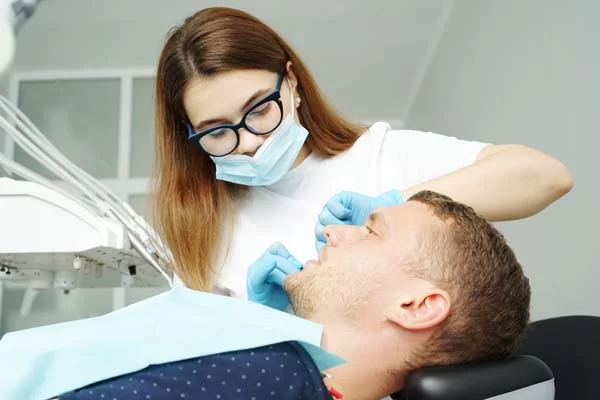
Dental sealants are a preventive treatment applied to the chewing surfaces of the back teeth (molars) to protect them from cavities. The process involves applying a thin coating, usually made from plastic or resin, to the grooves and pits of the teeth, which are often harder to clean. This coating acts as a barrier, preventing food and bacteria from accumulating and causing decay.
Dental sealants are typically recommended for children and teenagers, as they are more likely to develop cavities in these areas due to their limited brushing habits and the deep grooves in their molars.
2. The Benefits of Dental Sealants for Kids
Dental sealants offer several advantages, making them an attractive option for many parents looking to safeguard their children’s oral health. Here are the key benefits:
- Protection Against Cavities: The primary benefit of dental sealants is their ability to prevent cavities in the back teeth, which are most prone to decay. Studies show that sealants can reduce the risk of cavities by up to 80% in children.
- Simple and Quick Procedure: Applying dental sealants is a fast and non-invasive procedure. The dentist cleans and dries the tooth, applies the sealant, and hardens it with a special light, all in less than 30 minutes.
- Cost-Effective Preventive Care: Dental sealants are generally affordable compared to other dental treatments, such as fillings or crowns. Preventing cavities through sealants can help avoid costly procedures down the line.
- Long-Term Benefits: Once applied, dental sealants can last for several years, providing ongoing protection. Regular check-ups will ensure that the sealants are intact and working effectively.
Given these benefits, dental sealants are often considered a smart choice for protecting your child’s teeth from decay and reducing the need for future dental treatments.
3. Potential Drawbacks of Dental Sealants for Children
While dental sealants are generally safe and effective, they aren’t without their potential downsides. It's important to consider the following factors before deciding if they’re the right choice for your child:
- Not a Substitute for Good Oral Hygiene: Dental sealants don’t replace the need for brushing and flossing. Children still need to maintain good oral hygiene habits, including regular brushing with fluoride toothpaste and flossing, to prevent decay around the edges of the sealant.
- Possible Allergic Reactions: Although rare, some children may have an allergic reaction to the materials used in sealants. It's important to discuss any potential allergies with your dentist before proceeding with the treatment.
- Can Wear Down Over Time: While sealants can last for several years, they can eventually wear down or chip, especially with heavy chewing. Regular dental check-ups are necessary to ensure the sealants are still intact and providing effective protection.
- Not Suitable for All Teeth: Sealants are most effective on healthy teeth with deep grooves and pits. Teeth that have already experienced decay or damage may not benefit from sealants, and other treatment options may be necessary.
These drawbacks shouldn’t deter you from considering dental sealants, but they are important to keep in mind as part of a broader strategy for your child’s dental care.
4. Who Should Get Dental Sealants?
Dental sealants are an excellent option for children, especially those at higher risk of cavities. Factors that can make a child a good candidate for sealants include:
- Children with deep grooves in their molars, which are harder to clean and more prone to cavities.
- Kids who have a history of cavities or are more likely to develop them due to diet, oral hygiene habits, or genetics.
- Children who may have difficulty reaching the back teeth during regular brushing, such as young children who are still learning proper oral hygiene techniques.
While most children between the ages of 6 and 14 are ideal candidates for dental sealants, your dentist can help determine if your child could benefit from this treatment based on their unique oral health needs.
5. A Real-Life Example: A Parent’s Experience with Dental Sealants
Jessica, a mother of two, decided to get dental sealants for her 8-year-old son, Ethan, after his dentist recommended it during a routine check-up. Ethan had deep grooves in his molars, which made brushing effectively a challenge. After the procedure, Jessica noticed that Ethan’s teeth were much easier to clean, and he no longer complained of tooth sensitivity. She was relieved to know that Ethan was better protected against cavities, reducing the chances of needing fillings in the future.
Jessica’s experience highlights the peace of mind dental sealants can provide to parents. By protecting vulnerable teeth early on, sealants can help prevent the need for more invasive treatments later in life.
6. When to Consider Dental Sealants for Your Child
If you’re thinking about dental sealants for your child, the best time to consider them is typically when your child’s permanent molars come in, usually around age 6. At this stage, the teeth are more vulnerable to cavities, and sealants can offer immediate protection. Your dentist can assess your child’s oral health and recommend the right time for the procedure based on their unique needs.
It’s also important to consider sealants as part of a comprehensive approach to your child’s dental care. Encouraging good oral hygiene habits, regular dental visits, and a balanced diet all work together to keep your child’s teeth healthy for life.






 Wiemeyer Dentistry5.0 (124 review)
 Green Dental Health and Aesthetics5.0 (56 review)
 Western Dental & Orthodontics3.0 (365 review)
 South Shore Dental Care: Dory Stutman, DDS5.0 (7 review)
 417 Smiles4.0 (105 review)
 Grace Dental Smiles4.0 (850 review)
 The Importance of Oral Health Education During Pregnancy for a Healthy Pregnancy
 Best Tips for Brushing Your Teeth Properly for Healthy Gums: Essential Techniques for Oral Health
 Why Skipping Dental Checkups Can Lead to Bigger Oral Health Problems
 Advantages of Porcelain Dental Restorations
 How Can Diabetes Cause Tooth and Gum Problems? Preventing and Managing Oral Health Issues
 Healthy Habits for Promoting Good Oral Health and Hygiene: Tips for a Healthy Smile