
How to Teach a Child to Practice Good Oral Hygiene
Good oral hygiene is one of the most essential habits a child can develop. Starting early and establishing a strong foundation for healthy teeth can prevent a multitude of dental issues later in life. However, getting children to understand the importance of oral hygiene and making the process fun can be challenging for parents. In this article, we’ll explore the steps you can take to teach your child good oral hygiene, offering practical tips and expert advice to guide you along the way.
1. Start Early with Regular Brushing
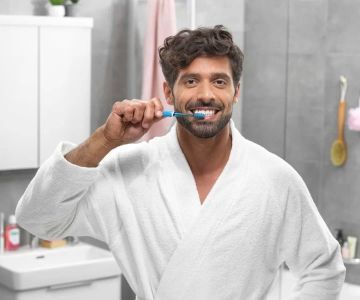
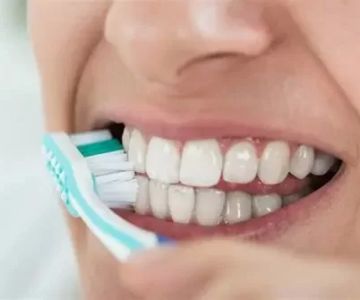
As soon as your baby’s first tooth emerges, it’s time to start brushing. Even if your child’s teeth are tiny, it’s important to keep them clean to prevent early-stage cavities. Use a soft-bristled toothbrush designed for infants or toddlers along with a tiny smear of fluoride toothpaste. At first, you can help them by gently brushing their teeth twice a day, especially after meals. By starting early, you create a routine that’s easier for children to accept as they grow older.
As your child grows, it’s important to transition to brushing for a longer period of time. Aim for at least two minutes of brushing to ensure their teeth are thoroughly cleaned. You can encourage your child to brush for two minutes by playing a fun song, or even using a timer to make the process feel more like a game.
2. Make Brushing Fun with Interactive Tools
Children often associate brushing their teeth with something boring or unpleasant. To make it more fun, consider investing in interactive tools like electric toothbrushes with colorful designs or characters that your child loves. Many electric toothbrushes for kids come with built-in timers that can make brushing feel like a game. These gadgets often have fun music or flashing lights that encourage your child to keep brushing until the song is over.
You can also get creative by letting your child pick their own toothbrush and toothpaste flavor. This can make them feel more involved in the process and excited to use their chosen products. Letting your child have a say in their oral hygiene tools empowers them and fosters a sense of responsibility for their dental health.
3. Teach the Importance of Brushing and Flossing
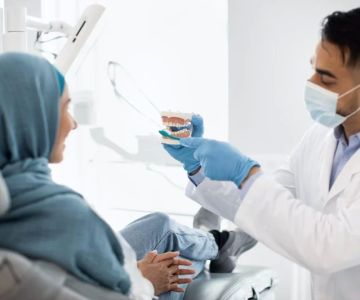
Teaching your child why brushing and flossing are important is key to helping them develop lifelong habits. Use simple and age-appropriate language to explain how brushing removes food particles and plaque, preventing cavities and gum disease. You might even consider using a fun visual, like a model of a mouth, to demonstrate how brushing works and the consequences of not brushing. Some children’s books or videos focus on oral hygiene, which can also be a helpful resource for making the concept more relatable.
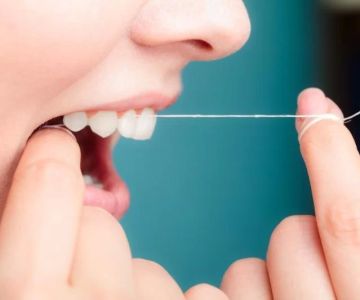
Once your child is old enough, teach them how to floss. While flossing can be difficult for younger children to master, it’s important to introduce it around age 4 to 6 when their teeth start to come in closer together. Flossing can be an exciting new step in their dental care routine, and showing them how to do it themselves gives them ownership of their oral hygiene.
4. Set a Consistent Routine
Children thrive on routine, so it’s essential to establish a regular schedule for brushing and flossing. Set specific times for brushing, such as in the morning after breakfast and before bed. By making it a part of their daily routine, your child will see oral hygiene as something normal, like eating or taking a bath. Consistency is key in helping them understand that brushing is an important and non-negotiable part of their day.
In addition to brushing twice daily, be sure to monitor your child’s diet. Encourage healthy snacks like fruits and vegetables while limiting sugary foods and drinks that can contribute to tooth decay. Water is the best drink for maintaining healthy teeth, so make sure your child drinks plenty of it throughout the day.
5. Reward Your Child’s Efforts
Positive reinforcement goes a long way when it comes to teaching kids about oral hygiene. Praise your child for brushing their teeth well and make them feel proud of their effort. You can use a reward system, like a sticker chart or a special treat after a week of great brushing, to motivate your child. Just be sure the rewards are tied to consistent effort, not simply the completion of the task.
Remember, it’s essential to stay patient and consistent. Children may resist brushing or even forget at times, but reinforcing positive behavior through encouragement and rewards helps build strong habits over time. It’s a process, and with your support, your child will eventually understand the importance of keeping their teeth clean.
6. Regular Dental Checkups
Visiting the dentist regularly is another crucial part of your child’s oral health. Schedule dental checkups every six months or as recommended by your dentist. These visits provide a chance for your child to get comfortable with dental professionals and learn the importance of regular dental care. Dentists can also spot potential issues early on, ensuring your child’s teeth stay healthy and strong.
To make dental visits less scary, talk to your child about the process beforehand. Explain what will happen during the visit and reassure them that it’s a normal part of growing up. Some dentists even offer kid-friendly offices with playful decorations, making the experience more enjoyable for your child.
Teaching your child to practice good oral hygiene is a gift that will last a lifetime. With these tips, you’ll help your child build healthy habits and maintain a beautiful smile. For more dental care tips and recommendations, check out our website, Family Dentistry Online, where you can find the best products and services for your child’s oral health journey.

 Zhihao You, DDS, MS, PhD0.0 (0 review)
 Smileyville Braces and Invisalign4.0 (431 review)
 Arts District Dental4.0 (370 review)
 Barrett Dental Care4.0 (221 review)
 Westborough Family Dental5.0 (71 review)
 Crest Hill Family Dental4.0 (40 review)
 The Importance of Oral Health Education During Pregnancy for a Healthy Pregnancy
 Best Tips for Brushing Your Teeth Properly for Healthy Gums: Essential Techniques for Oral Health
 Why Skipping Dental Checkups Can Lead to Bigger Oral Health Problems
 Advantages of Porcelain Dental Restorations
 How Can Diabetes Cause Tooth and Gum Problems? Preventing and Managing Oral Health Issues
 Healthy Habits for Promoting Good Oral Health and Hygiene: Tips for a Healthy Smile