
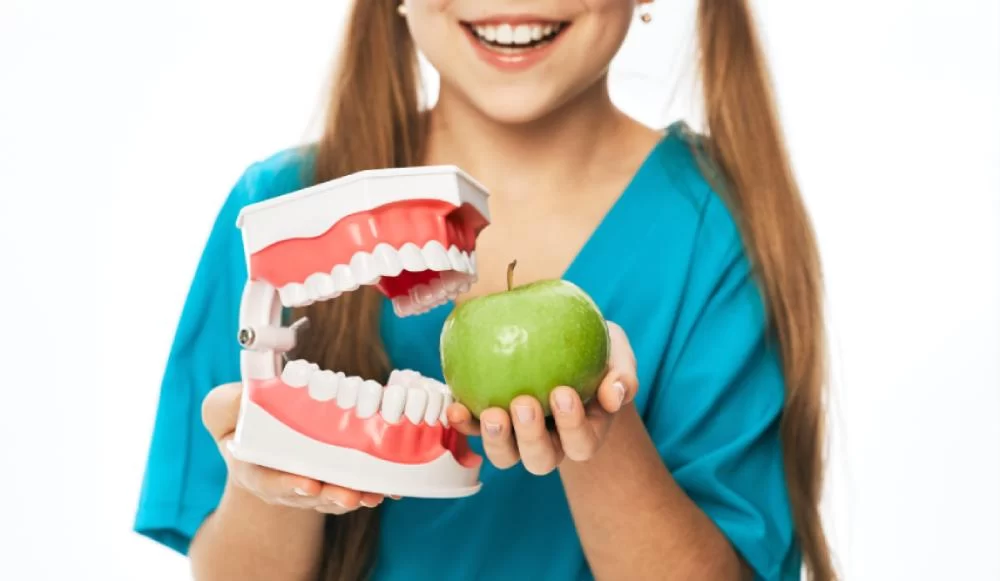
How Does Diet Affect Your Oral Health? The Connection Between Nutrition and a Healthy Smile
- Why Diet Matters for Oral Health
- Best Foods for Strong Teeth
- Worst Foods That Harm Your Teeth
- How Sugar Affects Your Oral Health
- Vitamins and Minerals for Healthy Teeth
- Tips for a Diet That Promotes Oral Health
- Where to Get Professional Dental Advice
1. Why Diet Matters for Oral Health
What you eat plays a crucial role in maintaining a healthy smile. A well-balanced diet provides essential nutrients that strengthen teeth, prevent cavities, and keep gums healthy. On the other hand, consuming sugary, acidic, or highly processed foods can lead to tooth decay, gum disease, and even tooth loss.
By making smart dietary choices, you can significantly reduce the risk of dental problems and enjoy long-term oral health.
2. Best Foods for Strong Teeth
Eating nutrient-rich foods can help protect and strengthen your teeth. Some of the best options include:
- Dairy Products: Milk, cheese, and yogurt contain calcium and phosphorus, which strengthen enamel.
- Leafy Greens: Spinach, kale, and broccoli are rich in vitamins and minerals essential for oral health.
- Crunchy Fruits and Vegetables: Apples, carrots, and celery stimulate saliva production and help clean teeth.
- Lean Proteins: Chicken, fish, and eggs provide essential nutrients for gum health.
- Nuts and Seeds: Almonds and chia seeds are packed with calcium and healthy fats that support teeth and gums.
3. Worst Foods That Harm Your Teeth
Some foods can be harmful to your dental health and should be consumed in moderation:
- Sugary Snacks and Drinks: Soda, candy, and sweetened coffee can cause cavities and enamel erosion.
- Sticky Foods: Dried fruit, caramel, and gummy candies cling to teeth and promote bacteria growth.
- Acidic Foods: Citrus fruits, vinegar-based dressings, and tomatoes can weaken enamel over time.
- Alcohol: Alcoholic beverages dry out the mouth, reducing saliva production and increasing cavity risk.
- Starchy Carbs: Chips, white bread, and pasta break down into sugar, feeding harmful bacteria in the mouth.
4. How Sugar Affects Your Oral Health
One of the biggest threats to dental health is excessive sugar consumption. Sugar feeds harmful bacteria in the mouth, leading to plaque buildup and tooth decay. When bacteria break down sugar, they produce acids that erode enamel and cause cavities.
To protect your teeth from sugar damage:
- Limit sugary drinks and opt for water or unsweetened tea instead.
- Brush and floss after consuming sweets.
- Choose natural sugars from fruits over processed sugars.
- Use sugar-free gum to stimulate saliva production and neutralize acids.
5. Vitamins and Minerals for Healthy Teeth
Certain vitamins and minerals are essential for maintaining strong teeth and healthy gums. Some of the most important include:
- Calcium: Found in dairy, almonds, and leafy greens, it strengthens enamel.
- Vitamin D: Helps the body absorb calcium; found in sunlight, fish, and fortified dairy products.
- Vitamin C: Supports gum health and reduces inflammation; found in citrus fruits, peppers, and strawberries.
- Phosphorus: Found in lean meats, dairy, and nuts, it helps rebuild enamel.
- Fluoride: Strengthens enamel and fights cavities; found in fluoridated water and toothpaste.
6. Tips for a Diet That Promotes Oral Health
To keep your teeth and gums in top shape, follow these dietary tips:
- Drink plenty of water to wash away food particles and bacteria.
- Chew sugar-free gum to stimulate saliva flow and neutralize acids.
- Eat a balanced diet rich in vitamins, minerals, and fiber.
- Reduce processed foods and sugary snacks.
- Limit acidic and sticky foods that can damage enamel.
- Practice good oral hygiene by brushing and flossing daily.
7. Where to Get Professional Dental Advice
If you're looking for expert guidance on maintaining oral health through diet, visit a professional dentist. Here are some trusted options:
- Dentistry Toothtruth: Offering expert dental care and nutrition advice for oral health. Book an appointment here.
- Registered Dietitians: Consult a nutritionist for a diet plan that supports dental and overall health.
- General Dentistry Clinics: Many dental offices provide dietary recommendations for preventing cavities and gum disease.
- Online Dental Resources: Websites and forums provide helpful tips for maintaining a tooth-friendly diet.
Taking control of your diet is a powerful way to protect your teeth and overall health.






 East Brunswick Family Dental4.0 (679 review)
 Cerritos Dental Surgery5.0 (137 review)
 Madison Oral Surgery & Dental Implants4.0 (661 review)
 Hall Orthodontics5.0 (150 review)
 Webster Dental Care4.0 (421 review)
 Aspen Dental - Bismarck, ND4.0 (420 review)
 The Importance of Oral Health Education During Pregnancy for a Healthy Pregnancy
 Best Tips for Brushing Your Teeth Properly for Healthy Gums: Essential Techniques for Oral Health
 Why Skipping Dental Checkups Can Lead to Bigger Oral Health Problems
 Advantages of Porcelain Dental Restorations
 How Can Diabetes Cause Tooth and Gum Problems? Preventing and Managing Oral Health Issues
 Healthy Habits for Promoting Good Oral Health and Hygiene: Tips for a Healthy Smile