
1. Understanding Tooth Sensitivity and Its Causes
Tooth sensitivity occurs when the protective layer of enamel on your teeth wears down, exposing the underlying layer called the dentin. This can lead to discomfort or pain when eating or drinking certain foods and beverages, especially those that are hot, cold, sweet, or acidic. Understanding the causes of tooth sensitivity is the first step in finding effective ways to manage and relieve the pain.
2. Common Causes of Tooth Sensitivity
There are several factors that contribute to tooth sensitivity, including:
- Worn enamel: The natural erosion of enamel from brushing too hard or consuming acidic foods can make teeth more sensitive.
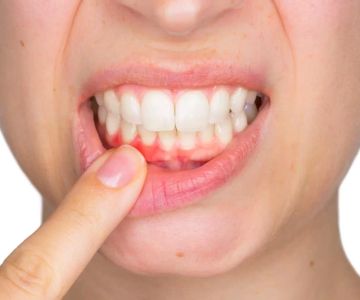
- Gum recession: When the gums recede, the tooth roots are exposed, leading to heightened sensitivity.
- Cracked or chipped teeth: Damaged teeth can expose the sensitive inner layer, causing pain when pressure is applied.
- Teeth grinding (bruxism): Grinding your teeth can wear down the enamel and cause tooth sensitivity.
- Recent dental procedures: Teeth may be sensitive after treatments like fillings, crowns, or bleaching, but the discomfort typically resolves over time.
3. Effective Remedies for Tooth Sensitivity
If you experience tooth sensitivity, there are several remedies you can try to relieve the discomfort:
- Desensitizing toothpaste: Special toothpaste designed for sensitive teeth contains compounds that block transmission of sensation from the tooth surface to the nerve.
- Fluoride treatments: Applying fluoride gel or varnish to your teeth can strengthen enamel and reduce sensitivity.
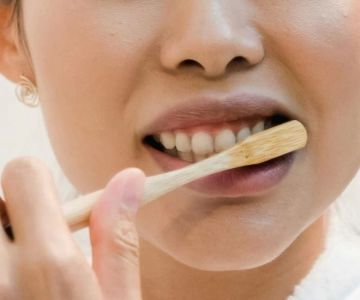
- Use a soft-bristled toothbrush: Brushing with a soft-bristled brush can prevent further damage to the enamel and gums.
- Rinse with a saltwater solution: A saltwater rinse can help soothe the gums and reduce inflammation.
- Avoid acidic foods: Limiting your consumption of citrus, carbonated drinks, and vinegar can help protect your enamel.
4. Dental Care Tips for Sensitive Teeth
Good dental care practices can prevent and manage tooth sensitivity:
- Brush gently: Avoid brushing too hard. Gentle brushing with fluoride toothpaste helps preserve enamel.
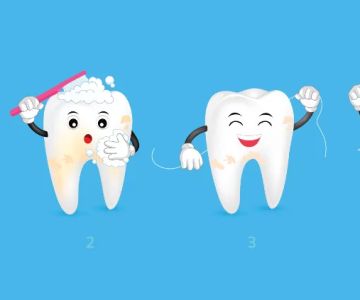
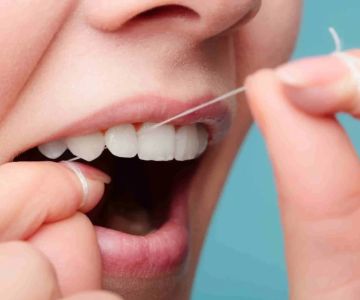
- Floss daily: Flossing removes plaque from between the teeth and along the gumline, helping prevent gum recession.
- Use mouthwash: Antimicrobial mouthwashes can reduce plaque buildup and help with gum health.
- Regular dental checkups: Visiting your dentist regularly for cleanings and checkups can catch problems early and prevent sensitivity.
5. When to See a Dentist for Tooth Sensitivity
If your tooth sensitivity persists despite trying home remedies, or if the pain becomes severe, it's essential to see a dentist. A dentist can determine if there is an underlying issue, such as a cavity or gum disease, and recommend appropriate treatments to address the root cause of the sensitivity.
6. Real-Life Experiences with Tooth Sensitivity Relief
Many people have successfully managed their tooth sensitivity with the right care and treatment. For instance, Mark, a long-time sufferer of tooth sensitivity, found relief after switching to a desensitizing toothpaste and using fluoride treatments from his dentist. "I used to avoid cold drinks and sweet foods because the pain was unbearable," says Mark. "But now, my sensitivity is under control, and I can enjoy those things again without discomfort."
By following the right steps and seeking professional advice when necessary, you too can manage tooth sensitivity and enjoy better dental health.


 Birch Lake Dental4.0 (258 review)
 Advanced Family Dental & Orthodontics4.0 (130 review)
 JW Dentistry (formerly Dr. Wayne Wong, DDS)5.0 (62 review)
 Dove Family Dentistry5.0 (658 review)
 Noll Family Dentistry4.0 (95 review)
 OHI Lakewood Health Center (Ocean Health Initiatives, Inc.)2.0 (92 review)
 The Importance of Oral Health Education During Pregnancy for a Healthy Pregnancy
 Best Tips for Brushing Your Teeth Properly for Healthy Gums: Essential Techniques for Oral Health
 Why Skipping Dental Checkups Can Lead to Bigger Oral Health Problems
 Advantages of Porcelain Dental Restorations
 How Can Diabetes Cause Tooth and Gum Problems? Preventing and Managing Oral Health Issues
 Healthy Habits for Promoting Good Oral Health and Hygiene: Tips for a Healthy Smile