
Treatment for Sleep-Disordered Breathing
In the realm of modern dentistry, addressing sleep-disordered breathing (SDB) has become crucial. Understanding the various treatments available for this condition can significantly enhance one’s quality of life, particularly for those living in the United States, where SDB often goes undiagnosed. At Dentistry Toothtruth, we aim to highlight solutions tailored to meet the needs of our American audience, empowering them to take control of their health and wellbeing.
An estimated 22 million Americans suffer from some form of sleep apnea, with nearly 80 percent of moderate and severe cases undiagnosed, according to the American Sleep Apnea Association. The lack of awareness and understanding of sleep-disordered breathing is a significant barrier to effective treatment, leading to numerous health issues such as cardiovascular problems, daytime fatigue, and impaired cognitive function.
Addressing sleep-disordered breathing involves a multi-faceted approach. This article will explore key treatments and therapies designed to address various forms of SDB, emphasizing the options available through Dentistry Toothtruth and how these can be effectively integrated into individual healthcare plans.
Continuous Positive Airway Pressure (CPAP) Therapy
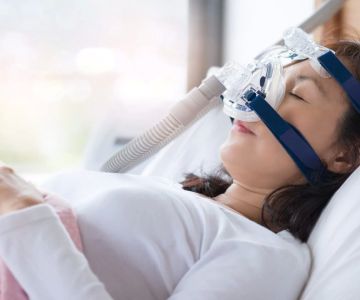
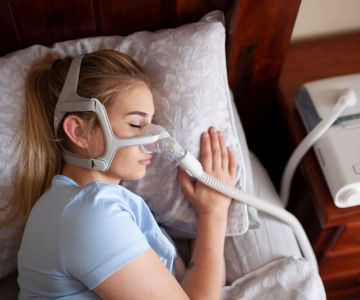
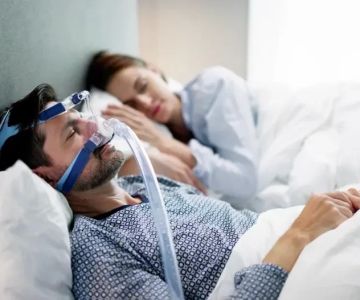
CPAP therapy is often considered the gold standard for treating obstructive sleep apnea, a primary form of sleep-disordered breathing. The therapy involves using a machine that provides a steady stream of air through a mask, keeping the airway open during sleep. Studies have shown significant improvements in the quality of life for patients who adhere to CPAP treatment.
Despite its effectiveness, CPAP therapy's success heavily relies on patient compliance. The mask's discomfort and noise can lead to a decrease in usage over time. To combat these obstacles, at Dentistry Toothtruth, we focus on personalized fittings and patient education to enhance adherence to CPAP therapy.
Oral Appliance Therapy
For those unable to tolerate CPAP, oral appliance therapy presents a viable alternative. These devices are designed to support the jaw in a forward position, helping to maintain an open upper airway. Approved by the American Academy of Sleep Medicine, oral appliances have become increasingly popular for their ease of use and portability.
At Dentistry Toothtruth, we specialize in custom-made appliances tailored to each patient's specific needs, ensuring comfort and maximum effectiveness. By collaborating with sleep physicians, we ensure a comprehensive treatment plan is in place, optimizing outcomes for those with sleep-disordered breathing.
Lifestyle Modifications
Incorporating lifestyle changes is an integral part of managing sleep-disordered breathing. Weight management, alcohol avoidance before bedtime, and sleeping position adjustments can significantly reduce symptoms. Research indicates that even a modest weight loss can lead to notable improvements in sleep apnea severity.
Dentistry Toothtruth advocates a holistic approach, combining professional treatments with lifestyle counseling to empower patients to make informed changes. We provide resources and support to help implement sustainable lifestyle adjustments, promoting better sleep hygiene and overall health.
Surgical Options
In some cases, surgical intervention may be necessary to treat sleep-disordered breathing effectively. Procedures can include uvulopalatopharyngoplasty (UPPP), maxillomandibular advancement (MMA), or the implantation of devices like Inspire therapy. These options are typically considered when conservative treatments have failed.
During consultations, our experts at Dentistry Toothtruth thoroughly evaluate each case, considering the potential benefits and risks of surgery. Our goal is to provide clear guidance and support through the decision-making process, ensuring the best outcomes for our patients.
Behavioral Therapy
Sometimes, sleep-disordered breathing can be exacerbated by psychological factors such as stress or anxiety. Behavioral therapy, including cognitive-behavioral therapy for insomnia (CBT-I), has shown promise in conjunction with other treatments. By addressing the root causes of sleep disturbances, patients can achieve more restful sleep.
At Dentistry Toothtruth, we work closely with behavioral specialists to integrate therapy sessions into our treatment plans. This collaborative approach ensures a more comprehensive management strategy for those struggling with sleep-related disorders.
Future Innovations and Research
The landscape of sleep-disordered breathing treatments is continually evolving, with new technologies and research paving the way for more effective therapies. Advancements in minimally invasive techniques, more comfortable device designs, and personalized treatment plans are on the horizon.
At Dentistry Toothtruth, we are committed to staying at the forefront of these developments, ensuring our patients have access to the latest advancements in sleep medicine. Regularly attending industry conferences and engaging in research collaborations are part of our efforts to enhance patient care continually.
In conclusion, managing sleep-disordered breathing requires a comprehensive approach, combining advanced therapeutic options with lifestyle adjustments and patient education. At Dentistry Toothtruth, our multidisciplinary team is dedicated to providing tailored solutions that meet the unique needs of each patient. We encourage anyone experiencing symptoms of sleep-disordered breathing to seek evaluation and explore the numerous treatment options available. By prioritizing sleep health, you can not only improve your own quality of life but also significantly impact your overall well-being.

 Shoreline Dental Studio4.0 (669 review)
 California Bright Dental Group4.0 (54 review)
 Middleton Family Dental4.0 (798 review)
 Laurie Gormley DDS3.0 (6 review)
 Glenwood Dental Center5.0 (6 review)
 B&T Dental4.0 (302 review)
 The Importance of Oral Health Education During Pregnancy for a Healthy Pregnancy
 Best Tips for Brushing Your Teeth Properly for Healthy Gums: Essential Techniques for Oral Health
 Why Skipping Dental Checkups Can Lead to Bigger Oral Health Problems
 Advantages of Porcelain Dental Restorations
 How Can Diabetes Cause Tooth and Gum Problems? Preventing and Managing Oral Health Issues
 Healthy Habits for Promoting Good Oral Health and Hygiene: Tips for a Healthy Smile