
Wisdom Teeth Consultation: What You Need to Know Before Your Appointment
- 1. Why a Wisdom Teeth Consultation is Important
- 2. When Should You Schedule a Wisdom Teeth Consultation?
- 3. What to Expect During Your Wisdom Teeth Consultation
- 4. Common Concerns and Questions During a Wisdom Teeth Consultation
- 5. Post-Consultation Care and Next Steps
1. Why a Wisdom Teeth Consultation is Important
A wisdom teeth consultation is an essential step in assessing whether your third molars need to be removed. These teeth often emerge in late teens or early twenties, and if they don’t come in properly, they can lead to serious dental problems. Consulting with a dentist can help prevent issues like overcrowding, infection, or misalignment.
Consider Sarah, a 22-year-old college student who was experiencing persistent jaw pain. After scheduling a wisdom teeth consultation, her dentist discovered that one of her molars was impacted, and it needed removal to prevent further complications. By addressing the issue early, Sarah avoided a more complicated procedure later.
2. When Should You Schedule a Wisdom Teeth Consultation?
It's best to schedule a wisdom teeth consultation as soon as you start noticing symptoms, such as swelling, pain, or difficulty chewing. Dentists typically recommend consulting by age 18, as this is when the teeth begin to emerge. However, some people may not experience any issues until later, so it's essential to stay vigilant.
For example, Mark, a 28-year-old, didn’t experience symptoms until he had a routine dental check-up, where his dentist noticed his wisdom teeth were growing at an angle. His timely consultation led to a simple removal procedure, preventing potential misalignment issues that could have affected his bite.
3. What to Expect During Your Wisdom Teeth Consultation
During the consultation, your dentist will conduct a thorough examination of your teeth and gums. This may include X-rays to determine the position of your wisdom teeth. They will assess if there is enough space in your mouth for the teeth to emerge without causing problems, or if removal is necessary.
Dr. Lee, a dentist with 15 years of experience, explains that a wisdom teeth consultation typically involves a few simple steps: assessing your dental health, discussing your symptoms, and planning the best course of action. X-rays provide a clearer picture of the teeth’s position, which is crucial for determining if extraction is required.
4. Common Concerns and Questions During a Wisdom Teeth Consultation
Patients often have many concerns before their wisdom teeth consultation. Some common questions include: “Will it hurt?”, “Do I need to have them removed?”, and “How long is recovery?”. While some discomfort during the consultation is possible, the procedure itself is typically straightforward.
For instance, Emily was worried about the pain associated with wisdom teeth removal. After her consultation, her dentist explained that many patients experience minimal discomfort thanks to modern pain management techniques. Emily felt much more at ease, knowing that the procedure could be done with minimal recovery time.
5. Post-Consultation Care and Next Steps
After your wisdom teeth consultation, the next step depends on the recommendation of your dentist. If extraction is necessary, they will guide you through the process and provide specific instructions for care post-surgery. This includes rest, ice packs, and avoiding hard foods to ensure proper healing.
Once Dr. Johnson’s patient, Luke, had his wisdom teeth removed, he followed the dentist’s advice and had a smooth recovery. By sticking to the post-surgery care plan, he experienced less swelling and was able to return to his normal activities sooner.
If you need further assistance or want to book a consultation, visit Dentistry Toothtruth for more information and expert advice on wisdom teeth consultations and related services.






 Westwind Dental Tolleson4.0 (262 review)
 Reese Orthodontics: Karen Reese, DDS, MS4.0 (7 review)
 Westchester Smile Design | Part of the Roligo Network4.0 (525 review)
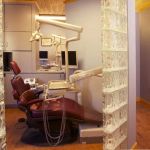 Dunstan Dental Center LLC4.0 (59 review)
 Florence Family Dental Center: Michel, Carlos R DDS4.0 (13 review)
 Parlor Dental5.0 (27 review)
 The Importance of Oral Health Education During Pregnancy for a Healthy Pregnancy
 Best Tips for Brushing Your Teeth Properly for Healthy Gums: Essential Techniques for Oral Health
 Why Skipping Dental Checkups Can Lead to Bigger Oral Health Problems
 Advantages of Porcelain Dental Restorations
 How Can Diabetes Cause Tooth and Gum Problems? Preventing and Managing Oral Health Issues
 Healthy Habits for Promoting Good Oral Health and Hygiene: Tips for a Healthy Smile