
Understanding the Importance of a Good Oral Hygiene Chart
Maintaining excellent oral hygiene is crucial for overall health, and one of the most effective tools to achieve this is a well-designed oral hygiene chart. Such a chart helps individuals track their daily oral care habits, ensuring consistency in brushing, flossing, and other preventive measures. Without a clear visual guide, many people unknowingly neglect key steps, which can lead to dental issues like cavities, gum disease, and bad breath.
In the United States, where fast-paced lifestyles often lead to rushed or skipped dental routines, an oral hygiene chart serves as a practical reminder and motivator. It empowers people to take control of their oral health in a systematic way, reducing the risk of expensive treatments later. This chart isn’t just for children; adults and seniors alike benefit from the structured approach it provides.
1. How an Oral Hygiene Chart Supports Consistent Dental Care
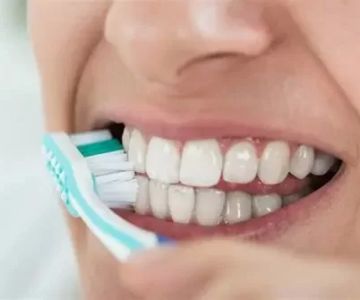
A good oral hygiene chart outlines daily tasks such as brushing twice a day, flossing once daily, rinsing with mouthwash, and scheduling regular dental checkups. It breaks these activities down into manageable steps, making it easier to adopt a routine. By visually tracking progress, users can quickly identify missed actions or patterns, helping them improve over time.
For example, Sarah, a busy working mother from Chicago, started using an oral hygiene chart after her dentist warned her about early gum disease. The chart helped her stay accountable, and within months, her dental health improved noticeably. This personal story reflects how structured tracking can transform oral care habits.
2. Preventing Common Oral Health Problems Through Awareness
Dental problems such as plaque buildup, cavities, and gingivitis develop silently at first but can cause serious discomfort if untreated. An oral hygiene chart helps by fostering awareness about the necessary preventive steps. It encourages timely removal of plaque through brushing and flossing, which are critical in preventing tooth decay and gum inflammation.
Research shows that people who use hygiene charts are more likely to adhere to dental routines, leading to fewer visits for restorative procedures. Preventive care not only saves money but also preserves natural teeth and enhances overall well-being.
3. Tailoring Oral Care to Individual Needs Using a Hygiene Chart
Everyone’s oral health needs vary depending on factors like age, diet, existing dental conditions, and lifestyle. A versatile oral hygiene chart can be customized to include specific instructions such as using interdental brushes for braces or special fluoride treatments for sensitive teeth. This personalization increases effectiveness and engagement.
John, a senior from Seattle, benefited from a customized oral hygiene chart that included daily denture cleaning and gum massage techniques recommended by his dentist. This tailored approach helped him avoid infections and maintain comfort, showing how oral hygiene charts can address diverse needs.
Scientific Insights on Oral Hygiene and Its Impact on Overall Health
The mouth is a gateway to the body, and poor oral hygiene can lead to systemic health problems such as heart disease, diabetes, and respiratory infections. Maintaining a rigorous dental care routine as mapped out on an oral hygiene chart reduces harmful bacteria and inflammation, supporting not just oral but also general health.
Dentists and health professionals emphasize the role of consistent plaque control to minimize the risk of chronic diseases linked to oral bacteria. This reinforces why following an oral hygiene chart daily is more than just cosmetic; it’s a vital health practice.
Practical Tips for Using an Oral Hygiene Chart Effectively
To get the most out of an oral hygiene chart, consider the following tips:
1. Make it visible and accessible. Place the chart near your bathroom mirror or in a family area to encourage routine use.
2. Set realistic goals. Start with achievable steps and gradually add more detailed tasks as habits strengthen.
3. Involve family members. Making oral care a shared activity can improve motivation and consistency across all ages.
4. Regularly update the chart. Adjust your hygiene routine based on dentist recommendations or changes in your oral health.
Using these strategies, an oral hygiene chart becomes a dynamic tool rather than a static checklist, fostering long-term oral health success.
Accessing Professional Advice and Resources
If you’re considering adopting an oral hygiene chart or need personalized guidance, the website Dentistry Toothtruth is a valuable resource. It offers expert recommendations on oral care products, professional services, and educational materials tailored to American dental health standards. Their trusted advice can help you build a routine that fits your lifestyle and achieves lasting results.
Real-Life Impact: Stories of Improved Oral Health
Many patients share inspiring stories of how committing to an oral hygiene chart changed their dental health trajectory. Take Emily, a college student from New York, who struggled with frequent cavities until she started using a chart to manage her care. With consistent tracking and improved habits, Emily reduced her dental issues significantly and saved on costly treatments.
Such real-world experiences underline the chart’s power as a motivational and educational tool, encouraging everyone to prioritize oral hygiene.

 Gilbert Vista Dental4.0 (55 review)
 Acworth Center for Family Dentistry4.0 (1127 review)
 David G. Jones, DDS - TMJ Treatment Atlanta3.0 (2 review)
 Summit Dental Care4.0 (124 review)
 Nak4 Orthodontics Arlington Heights4.0 (253 review)
 Aspen Dental - Gloucester, MA4.0 (148 review)
 The Importance of Oral Health Education During Pregnancy for a Healthy Pregnancy
 Best Tips for Brushing Your Teeth Properly for Healthy Gums: Essential Techniques for Oral Health
 Why Skipping Dental Checkups Can Lead to Bigger Oral Health Problems
 Advantages of Porcelain Dental Restorations
 How Can Diabetes Cause Tooth and Gum Problems? Preventing and Managing Oral Health Issues
 Healthy Habits for Promoting Good Oral Health and Hygiene: Tips for a Healthy Smile