
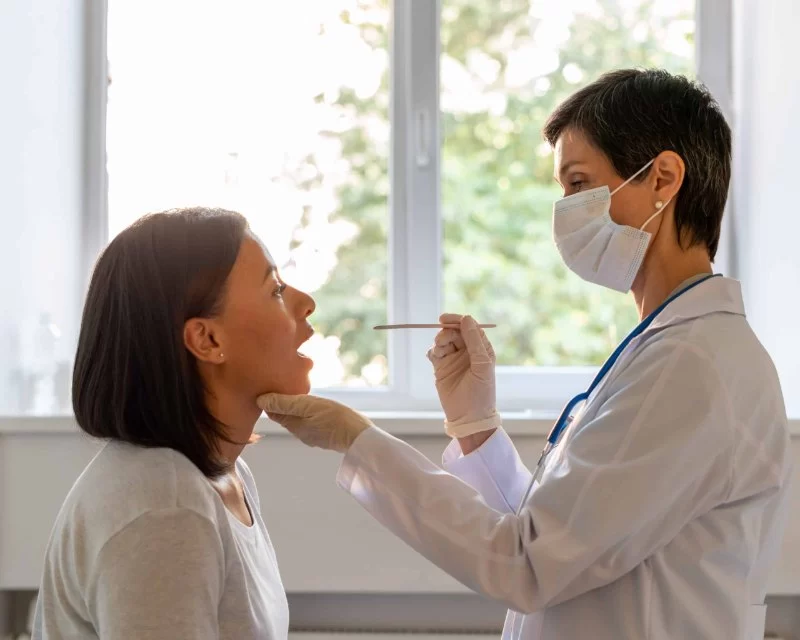
1. Understanding Oral Disease Transmission
Oral transmission refers to the spread of infections and diseases through contact with the mouth, including kissing, sharing utensils, or unprotected oral sex. While many people think of the mouth as harmless, it's actually home to hundreds of species of bacteria—some beneficial, others harmful. The warm, moist environment makes it ideal for certain pathogens to thrive and spread. Across the United States, there’s growing concern about how everyday interactions can unknowingly pass on serious illnesses.
1.1 The Mouth as a Gateway
The human mouth connects directly to the respiratory and digestive systems, making it a prime entry point for viruses, bacteria, and fungi. Every time we share a drink, kiss, or even breathe in droplets from a cough, there’s potential for exposure. Dr. Melissa Grant, a dental microbiologist based in New York, explains that “oral mucosa is thin and highly vascularized, which means pathogens don’t have far to go to get into the bloodstream.”
2. Common Diseases Transmitted Through Oral Contact
2.1 Herpes Simplex Virus (HSV)
One of the most commonly transmitted diseases through the mouth is HSV, often presenting as cold sores. HSV-1 is primarily spread through oral contact such as kissing or sharing personal items. Once infected, the virus stays dormant in the body and can flare up due to stress or illness. A high school senior in Austin shared how her first cold sore during finals week led to a diagnosis—and a long-term understanding of the importance of symptom awareness and hygiene.
2.2 Human Papillomavirus (HPV)
HPV is widely known for its link to cervical cancer, but certain strains can also be passed through oral sex, potentially leading to oral or throat cancers. Recent studies by the CDC show that oropharyngeal cancers linked to HPV have risen significantly among men in the U.S. between ages 30 to 55. This makes HPV vaccination not just a sexual health issue, but a preventive oral health one too.
2.3 Cytomegalovirus (CMV)
CMV is a common virus that can be passed through saliva, especially dangerous to those with weakened immune systems. A mother in Chicago learned her newborn contracted CMV through a well-meaning relative’s kiss. While usually harmless in healthy adults, CMV can lead to hearing loss and developmental issues in infants.
2.4 Streptococcus and Bacterial Infections
Group A Streptococcus, the bacteria behind strep throat, is highly contagious and often passed through saliva droplets. Children sharing toys or adults coughing near others are typical transmission routes. Recurrent infections in classrooms have led some schools in Ohio to implement strict hygiene measures during flu season.
2.5 Mononucleosis (“Mono”)
Often dubbed “the kissing disease,” mono is caused by the Epstein-Barr Virus (EBV) and spreads primarily through saliva. Symptoms include fatigue, swollen glands, and fever. One college freshman in Michigan had to miss an entire semester after a severe mono infection left her bedridden for six weeks, showcasing how seriously this “common” illness can affect daily life.
2.6 Hepatitis B and C
Though primarily bloodborne, both Hepatitis B and C can be transmitted via oral contact, especially if there's gum disease or open sores. Using shared razors or toothbrushes, or engaging in oral sex with an infected partner, increases risk. According to the American Liver Foundation, awareness about oral routes of hepatitis transmission remains dangerously low among adults aged 25–45.
3. Lesser-Known Oral Transmission Risks
3.1 Dental Procedures Without Sterile Tools
While rare in the U.S., improper sterilization of dental instruments can lead to transmission of bloodborne diseases. It's crucial to ensure that any dental facility you visit follows OSHA and CDC sterilization protocols. Regular inspections and patient vigilance keep these events extremely rare but not impossible.
3.2 Sharing Oral Hygiene Tools
Sharing toothbrushes or tongue scrapers can transmit not only bacteria but bloodborne pathogens if gums bleed during brushing. An Illinois-based dentist shared a story where an entire family passed a staph infection around because the kids used each other’s brushes when traveling. Always keep hygiene tools separate and replace them regularly.
4. How to Protect Yourself and Your Family
4.1 Avoid Sharing Personal Items
Do not share toothbrushes, straws, lip balms, or eating utensils. Teaching children early about personal hygiene boundaries can go a long way in reducing transmission. In one New Jersey elementary school, a “my cup, my spoon” campaign helped reduce flu and strep outbreaks by 40% in one semester.
4.2 Practice Safe Kissing and Intimacy
It’s important to avoid kissing when either person has visible sores or signs of illness. Using protection during oral sex and regular health check-ups are essential for adults. Couples should feel empowered to talk about health history without stigma, especially in long-term relationships.
4.3 Maintain Oral Hygiene
Keeping your mouth clean reduces the overall bacterial load, lowering the risk of infection spread. Brush at least twice a day, floss daily, and use antiseptic mouthwash. Regular dental checkups can also catch problems early. The team at Dentistry Toothtruth can help connect you with local providers who prioritize both health and education in patient care.
4.4 Stay Informed and Vaccinated
HPV vaccines, Hepatitis B vaccines, and flu shots offer protection against some oral-transmitted illnesses. Talk to your physician or dental provider about your risk level and what preventive steps are available. Especially in community settings—like college dorms or daycare centers—vaccination can make a significant difference.
5. When to Seek Medical Attention
5.1 Signs You Shouldn't Ignore
If you or someone in your family experiences persistent mouth sores, unexplained fatigue, swollen lymph nodes, or unusual tastes in the mouth, it’s worth seeing a healthcare provider. Many oral-transmitted diseases begin with subtle symptoms that worsen over time if left untreated.
5.2 Partner Screening and Honest Conversations
In relationships, transparency about health can prevent unnecessary suffering. Getting tested for STIs and bloodborne diseases, especially when starting a new relationship, is an act of care and responsibility. Dental professionals can often spot signs of systemic infection in the mouth—making them a key ally in early diagnosis.
5.3 Supporting the Immunocompromised
For families with members undergoing chemotherapy, living with HIV, or caring for infants, understanding and minimizing oral transmission risks is critical. Everyone in the household should be educated on infection control strategies, especially around saliva-sharing behaviors.

 Aspen Dental - Glendale, AZ4.0 (602 review)
 Biggers Family Dentistry5.0 (255 review)
 Sunrise Periodontics and Implant Dentistry5.0 (116 review)
 Pavilion Dental Group4.0 (151 review)
 Drs. Rosen & Dworkin, PA - Family and Cosmetic Dentistry4.0 (1597 review)
 Family Dental of Georgetown4.0 (67 review)
 The Importance of Oral Health Education During Pregnancy for a Healthy Pregnancy
 Best Tips for Brushing Your Teeth Properly for Healthy Gums: Essential Techniques for Oral Health
 Why Skipping Dental Checkups Can Lead to Bigger Oral Health Problems
 Advantages of Porcelain Dental Restorations
 How Can Diabetes Cause Tooth and Gum Problems? Preventing and Managing Oral Health Issues
 Healthy Habits for Promoting Good Oral Health and Hygiene: Tips for a Healthy Smile