
1. The Tipping Point: Declaring Oral Hygiene a National Emergency
1.1 The Tragic Death of Deamonte Driver
In 2007, a heartbreaking event shook America’s conscience: the death of 12-year-old Deamonte Driver in Maryland. He died from a brain infection caused by untreated tooth decay. His family had lost Medicaid coverage, and a simple $80 dental procedure could have saved his life. His story made national headlines and exposed the devastating consequences of poor access to dental care.
1.2 National Response to a Local Tragedy
Deamonte’s death served as a catalyst. While no official act from the federal government used the precise phrase “national emergency,” the event triggered a widespread outcry among health professionals and policymakers. The U.S. Surgeon General had already issued a report in 2000 recognizing a “silent epidemic” of oral diseases, but after 2007, that silence became impossible to ignore.
2. What Does It Mean to Declare a Health Emergency?
2.1 Defining “Emergency” in Public Health
Unlike natural disasters or viral outbreaks, chronic conditions like poor oral hygiene unfold slowly. But their impact is no less severe. Declaring something a national emergency doesn’t always involve presidential orders—it can be a turning point marked by consensus among medical institutions and public demand.
2.2 Oral Health Recognized as a Critical Indicator
Following Deamonte’s death, the American Dental Association (ADA), the Centers for Disease Control and Prevention (CDC), and multiple public health organizations began treating oral health as an urgent public issue. Initiatives such as the “Action for Dental Health” campaign were launched to expand access and awareness.
3. The State of Oral Hygiene in the United States
3.1 The Numbers Speak Loudly
As of 2024, over 74 million Americans have no dental insurance. Emergency room visits for preventable dental conditions cost the U.S. healthcare system over $2 billion annually. According to the CDC, more than 1 in 4 adults aged 20-64 have untreated cavities, and 46% of adults over 30 show signs of gum disease.
3.2 Oral Health Disparities by Income and Race
Low-income families and racial minorities are disproportionately affected. Native American communities, in particular, have some of the highest rates of dental disease in the U.S. due to geographic isolation and funding gaps in Indian Health Services.
4. The Role of Policy and Advocacy
4.1 Medicaid’s Limited Dental Coverage
Medicaid, the federal-state insurance program for low-income Americans, covers dental care for children but only provides limited or no coverage for adults in many states. This coverage gap has led to a two-tiered dental system—those who can afford preventive care, and those who wait until it’s too late.
4.2 Congressional and State-Level Actions
Following increased advocacy, several states have expanded Medicaid dental benefits and funded mobile dental clinics. In 2021, Congress debated adding dental coverage to Medicare, and although it was excluded from final legislation, it remains a key issue for healthcare reformers.
5. Real Lives, Real Impact
5.1 Veterans Without Dental Care
Despite serving their country, many U.S. veterans struggle to access dental care. Unless they are 100% disabled or were a prisoner of war, most veterans are not eligible for VA dental benefits. Numerous nonprofits now step in to provide dental aid to this overlooked group.
5.2 School-Based Dental Programs Making a Difference
In places like New York City and Chicago, school-based dental clinics have been shown to drastically reduce childhood cavities. These programs offer cleanings, fluoride treatments, and referrals to dentists—all within the school day. They represent one of the most promising trends in proactive dental health.
6. Cultural Attitudes and the Stigma of Dental Neglect
6.1 More Than Just Cosmetic
In American culture, dental problems are often seen as a personal failure rather than a public health issue. Yet, untreated tooth decay and gum disease are linked to diabetes, heart disease, and even Alzheimer’s. A brighter smile isn’t just about looks—it’s about longevity.
6.2 Breaking the Cycle of Dental Despair
Parents who cannot afford dental visits often pass on their anxieties and access limitations to their children, creating generational cycles of poor oral hygiene. Public education campaigns are now beginning to shift this narrative, emphasizing that seeking dental help is an act of self-care, not shame.
7. What You Can Do
7.1 Personal Steps to Protect Oral Health
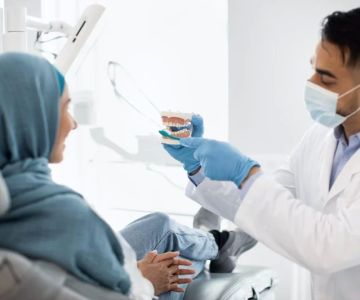
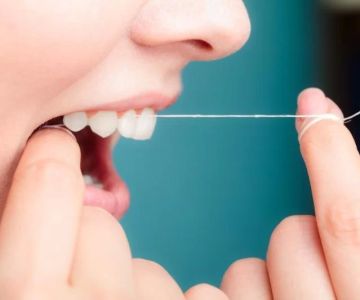
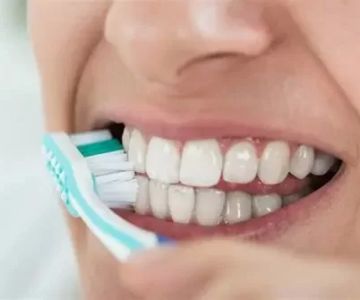
Brush twice daily with fluoride toothpaste, floss every night, and see a dentist twice a year. These are simple habits, yet millions skip them due to cost or neglect. If cost is a barrier, look for free clinics, dental schools, or low-cost community programs in your area.
7.2 Supporting a Better Dental Future
Donate to dental charities, support policies that expand dental coverage, and speak out when you see dental inequality. If you’re looking for reliable care, visit Dentistry Toothtruth to explore trusted providers and solutions tailored to your needs.


 Village Dental - North Raleigh4.0 (1577 review)
 Dental Health Associates, P.A.3.0 (355 review)
 Maine Orthodontics5.0 (2 review)
 Schuller Dental5.0 (196 review)
 Reichheld Ting Orthodontics - Westford5.0 (308 review)
 HealthPartners Dental Clinic St. Paul2.0 (16 review)
 The Importance of Oral Health Education During Pregnancy for a Healthy Pregnancy
 Best Tips for Brushing Your Teeth Properly for Healthy Gums: Essential Techniques for Oral Health
 Why Skipping Dental Checkups Can Lead to Bigger Oral Health Problems
 Advantages of Porcelain Dental Restorations
 How Can Diabetes Cause Tooth and Gum Problems? Preventing and Managing Oral Health Issues
 Healthy Habits for Promoting Good Oral Health and Hygiene: Tips for a Healthy Smile