
What to Know About Tooth Decay After a Root Canal
- What Is Tooth Decay After a Root Canal?
- Why Does Tooth Decay Happen After a Root Canal?
- Symptoms of Tooth Decay After Root Canal
- Treatment Options for Tooth Decay After Root Canal
- Preventing Tooth Decay After a Root Canal
What Is Tooth Decay After a Root Canal?
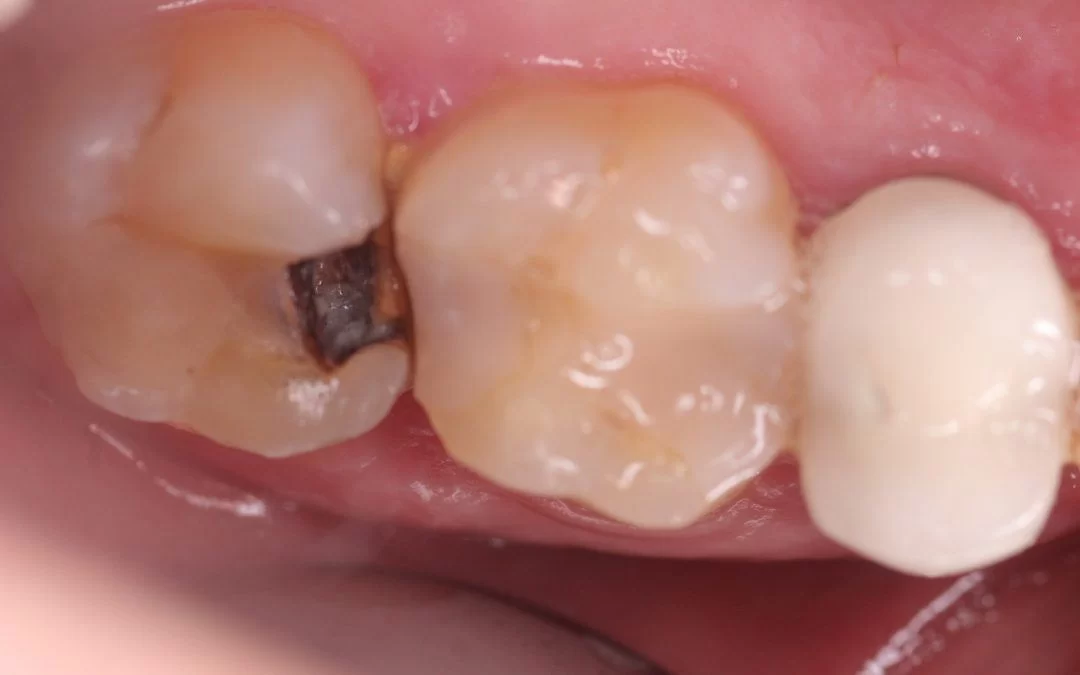
Tooth decay after a root canal may sound contradictory, as the procedure itself is intended to remove infection and preserve the tooth. However, it is still possible for decay to develop after a root canal due to several reasons. While the root canal helps to eliminate bacteria from the pulp, the tooth may still be at risk for further decay if it is not properly sealed or maintained.
After the root canal, the tooth is often filled with a material to seal the canal. If this seal is compromised or if bacteria find their way into the tooth, the decay can start to progress again, affecting the tooth's structure.
Why Does Tooth Decay Happen After a Root Canal?
There are a few common reasons why tooth decay can occur after a root canal:
1. Poor Sealing of the Root Canal
If the filling placed in the root canal is not done correctly or becomes damaged over time, bacteria can enter the tooth, leading to further decay. A proper seal is crucial to prevent reinfection.
2. Incomplete Removal of Infection
If the infection is not fully eradicated during the root canal procedure, bacteria can continue to thrive in the tooth, causing decay. It’s essential that all infected tissue is removed to prevent this issue.
3. Cracked or Weakened Tooth
Even after a root canal, if the tooth is cracked or weakened, it may be more susceptible to external damage or bacteria. This can lead to further decay and infection.
Symptoms of Tooth Decay After Root Canal
Recognizing the signs of decay after a root canal is important to address the issue early. Some common symptoms include:
1. Pain or Sensitivity
If the tooth starts to ache or becomes sensitive to hot or cold, it may be a sign of decay or infection. Persistent pain can indicate that the tooth is not healing properly.
2. Swelling or Tenderness
Swelling around the tooth or the surrounding gums can be a sign that there is ongoing infection or decay. Tenderness to touch may also indicate a problem.
3. Discoloration
Darkening of the tooth or surrounding gums can be a visual cue that decay is present. A tooth that becomes discolored after a root canal may need further examination and treatment.
Treatment Options for Tooth Decay After Root Canal
If tooth decay occurs after a root canal, prompt treatment is essential to avoid further damage. Some treatment options include:
1. Re-Treatment of the Root Canal
If the original root canal did not adequately eliminate infection or if decay has occurred, a dentist may recommend re-treatment. This involves removing the old filling, cleaning out the canal again, and sealing it properly.
2. Tooth Extraction
If the decay is severe and the tooth cannot be saved, extraction may be necessary. After the tooth is removed, options like dental implants or bridges can restore functionality.
3. Placement of a Crown
In cases where the decay is not too advanced, a crown may be placed over the tooth to protect it. A crown can help strengthen a weakened tooth and prevent further decay from spreading.
Preventing Tooth Decay After a Root Canal
After undergoing a root canal, it’s crucial to take steps to maintain the health of the tooth and prevent future decay:
1. Regular Dental Checkups
Visit your dentist regularly for checkups and professional cleanings. Routine X-rays can help monitor the condition of the treated tooth and detect early signs of decay.
2. Good Oral Hygiene
Brush and floss your teeth regularly, paying special attention to the area around the treated tooth. Keeping your mouth clean helps prevent bacteria buildup that can lead to decay.
3. Avoid Hard Foods
Avoid biting down on hard foods, especially right after the root canal, as this can stress the tooth and make it more prone to cracking or further damage.
4. Protect Your Tooth with a Crown
If not already done during the procedure, consider getting a crown placed on your treated tooth. This can protect the tooth from damage and keep it strong, reducing the likelihood of future decay.
Want to Learn More About Tooth Care After a Root Canal?
If you’ve had a root canal and are concerned about maintaining your tooth health, it’s important to stay proactive. Regular checkups and proper care can help prevent complications like tooth decay after the procedure. If you’re seeking advice or treatments for tooth decay, visit Dentistry Toothtruth to learn more about your options!






 Thai & Kiourtsis Orthodontics5.0 (66 review)
 Triplett & Livingston Dental5.0 (964 review)
 OC Centers for Oral Surgery & Dental Implants - San Clemente5.0 (199 review)
 Arthur Glosman, DDS5.0 (366 review)
 Dental Associates of Delaware-Hockessin4.0 (247 review)
 Asha Dental Lenexa5.0 (5 review)
 The Importance of Oral Health Education During Pregnancy for a Healthy Pregnancy
 Best Tips for Brushing Your Teeth Properly for Healthy Gums: Essential Techniques for Oral Health
 Why Skipping Dental Checkups Can Lead to Bigger Oral Health Problems
 Advantages of Porcelain Dental Restorations
 How Can Diabetes Cause Tooth and Gum Problems? Preventing and Managing Oral Health Issues
 Healthy Habits for Promoting Good Oral Health and Hygiene: Tips for a Healthy Smile