
What to Do If a Dental Filling Falls Out: A Step-by-Step Guide
- 1. Understanding Dental Fillings and Their Purpose
- 2. Common Causes of a Dental Filling Falling Out
- 3. What to Do Immediately If Your Filling Falls Out
- 4. Home Remedies for Temporary Relief
- 5. When to See a Dentist for a Fallen Filling
- 6. Real-Life Experience with Treating a Lost Dental Filling
1. Understanding Dental Fillings and Their Purpose
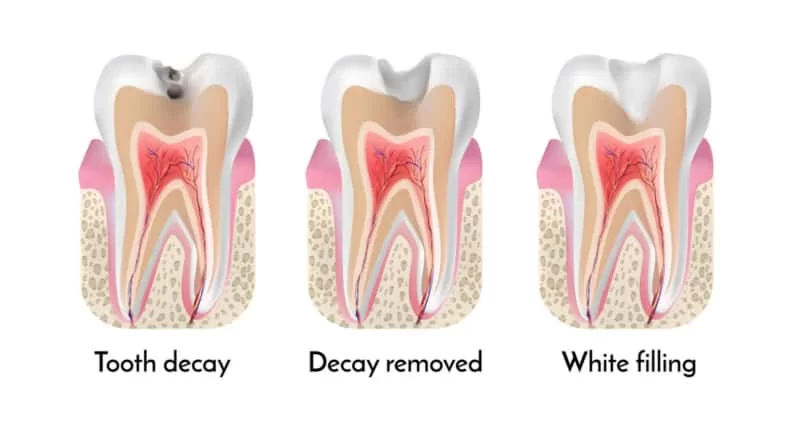
A dental filling is used to restore a tooth that has been damaged by decay or injury. When a cavity forms, the decayed portion of the tooth is removed and replaced with a filling to restore the tooth's function and shape. Fillings are typically made from materials like amalgam, composite resin, or gold, each offering its own benefits in terms of durability and appearance.
However, over time, fillings can wear down or become loose due to factors like pressure from chewing, wear and tear, or the natural expansion and contraction of the material. While dental fillings are designed to last for many years, it’s important to understand how to care for them and know what to do if one falls out unexpectedly.
2. Common Causes of a Dental Filling Falling Out
Several factors can cause a dental filling to fall out. Some of the most common causes include:
- Age of the Filling: Over time, fillings can weaken or degrade, especially if they’re made from materials like amalgam that can crack or wear down with pressure.
- Chewing Habits: Chewing hard foods, ice, or objects like pens and pencils can exert pressure on the filling, causing it to loosen or break free.
- Tooth Decay: If the tooth underneath the filling develops new decay, the filling may no longer be securely bonded to the tooth and can fall out.
- Trauma or Injury: A sudden blow to the mouth or a fall can damage a tooth and cause the filling to dislodge.
Regardless of the cause, it’s essential to act quickly to prevent further damage to your tooth and alleviate any discomfort.
3. What to Do Immediately If Your Filling Falls Out
If your dental filling falls out, don’t panic. While it may be uncomfortable, there are steps you can take to manage the situation until you can visit a dentist:
- Keep the Tooth Clean: Gently rinse your mouth with warm water to remove any debris or food particles. Be careful not to touch the exposed part of the tooth, as it may be sensitive.
- Preserve the Filling: If you can find the filling that fell out, keep it in a safe place and bring it with you to your dental appointment. Sometimes, a dentist can reapply it if the tooth is in good condition.
- Cover the Exposed Area: If the exposed tooth is sharp or painful, you can temporarily cover it with dental wax or a piece of sugar-free gum. This can help protect the tooth from further damage and provide some relief from sensitivity.
- Avoid Eating on the Affected Side: Until you can see a dentist, avoid chewing on the tooth with the lost filling to prevent any additional strain or injury.
Taking these precautions will help minimize any discomfort and protect the exposed tooth until you can receive proper treatment.
4. Home Remedies for Temporary Relief
While it’s important to see a dentist as soon as possible, there are a few home remedies that may provide temporary relief from discomfort:
- Saltwater Rinse: Rinsing your mouth with warm saltwater can help reduce inflammation and clean the affected area. This is a gentle and natural way to soothe the tooth.
- Clove Oil: Clove oil has natural analgesic properties and can be applied directly to the exposed tooth to help numb the area and reduce pain.
- Over-the-Counter Pain Relievers: If you’re experiencing significant pain, an over-the-counter pain reliever like ibuprofen or acetaminophen can help manage discomfort until you can see a dentist.
These remedies can provide temporary relief, but they should not be considered a substitute for professional dental care. Be sure to schedule a dentist appointment as soon as possible to fix the issue properly.
5. When to See a Dentist for a Fallen Filling
It’s important to see a dentist as soon as your filling falls out, especially if the tooth is causing you pain or discomfort. In general, you should schedule an appointment if:
- You experience severe pain or sensitivity in the exposed tooth.
- The filling is lost for more than a day or two without any improvement.
- The exposed area is sharp or causing injury to your cheek or tongue.
- You are unable to manage the situation with at-home remedies.
Your dentist will be able to assess the damage, clean the area, and decide whether the filling can be replaced or if additional treatment, such as a crown or root canal, is needed.
6. Real-Life Experience with Treating a Lost Dental Filling
Mary, a 32-year-old from California, had a dental filling that fell out while she was eating dinner. At first, she felt a sharp pain and realized that part of her molar filling was gone. After following the advice of her dentist, she used a temporary dental wax to cover the exposed tooth and scheduled an appointment for the next day. When she visited the dentist, the filling was replaced, and she was given advice on how to prevent future fillings from falling out.
This experience shows how important it is to act quickly and not ignore a lost filling. A dentist can help restore your tooth and provide guidance on maintaining your oral health to prevent future issues.






 South Oral & Maxillofacial Surgery4.0 (157 review)
 Advantage Dental+3.0 (143 review)
 First Choice Dental- Madison East4.0 (289 review)
 Integrated Dental4.0 (189 review)
 Fields Family Dentistry5.0 (394 review)
 Jensen Orthodontics4.0 (642 review)
 The Importance of Oral Health Education During Pregnancy for a Healthy Pregnancy
 Best Tips for Brushing Your Teeth Properly for Healthy Gums: Essential Techniques for Oral Health
 Why Skipping Dental Checkups Can Lead to Bigger Oral Health Problems
 Advantages of Porcelain Dental Restorations
 How Can Diabetes Cause Tooth and Gum Problems? Preventing and Managing Oral Health Issues
 Healthy Habits for Promoting Good Oral Health and Hygiene: Tips for a Healthy Smile