
Understanding the Importance of a Proper Oral Hygiene Routine
Oral hygiene is more than just brushing your teeth twice a day. It's a comprehensive routine that protects your teeth, gums, and overall health. A good oral hygiene routine prevents cavities, gum disease, bad breath, and even serious health issues like heart disease and diabetes, as studies have shown a strong link between oral health and systemic health.
In the US, despite access to dental care, millions struggle with preventable oral health problems. Developing and sticking to the best oral hygiene routine is essential for everyone, regardless of age.
1. Brushing Techniques: More Than Just Scrubbing
1.1 Choosing the Right Toothbrush and Toothpaste
Experts recommend using a soft-bristled toothbrush with a size and shape that fits your mouth comfortably. Electric toothbrushes have gained popularity for their superior plaque removal and ease of use, especially for those with limited manual dexterity.
Fluoride toothpaste is essential for strengthening enamel and preventing decay. Some people benefit from specialized formulas addressing sensitivity or whitening, but consulting a dentist ensures the best choice.
1.2 Proper Brushing Method and Duration
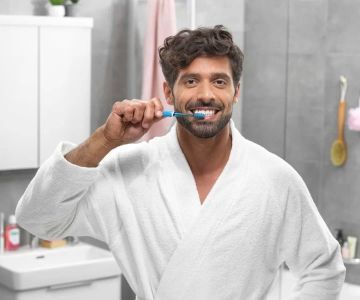
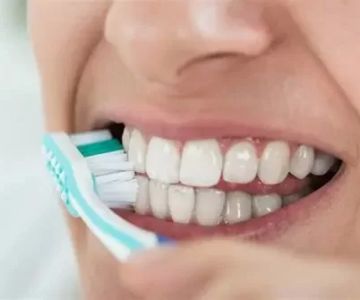
Many people rush through brushing, but the recommended duration is two minutes, twice a day. Use gentle circular motions at a 45-degree angle to your gums to clean the gum line without damaging tissue.
Brushing too hard can cause gum recession and tooth sensitivity. Also, don’t forget to brush your tongue to remove bacteria responsible for bad breath.
2. Flossing: The Key to Cleaning Between Teeth
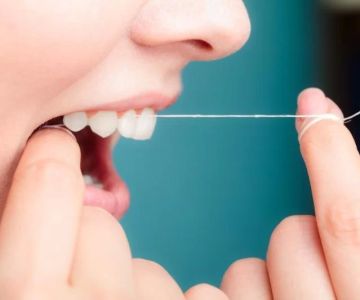
Brushing alone cannot reach the tight spaces between teeth where food particles and plaque accumulate. Daily flossing is critical to prevent gum inflammation and cavities in these areas.
Traditional string floss, floss picks, and water flossers all work well, depending on personal preference. The key is consistency—skipping flossing even a few days can lead to plaque buildup.
3. Mouthwash and Its Role in Oral Hygiene
Mouthwash can complement brushing and flossing by reducing bacteria and freshening breath. Choose an antibacterial or fluoride rinse recommended by dental professionals.
It’s important to use mouthwash as directed and not as a substitute for brushing or flossing. Some alcohol-based mouthwashes may cause dryness; alcohol-free versions are better for sensitive mouths.
4. Diet and Lifestyle Choices Impacting Oral Health
Your daily diet greatly affects your oral health. Sugary and acidic foods and drinks contribute to tooth decay and enamel erosion. Drinking plenty of water and eating fiber-rich fruits and vegetables stimulate saliva, which naturally protects teeth.
Avoid tobacco products, which are major contributors to gum disease and oral cancers. Limiting alcohol intake also supports better oral hygiene.
5. Regular Dental Checkups and Professional Cleanings
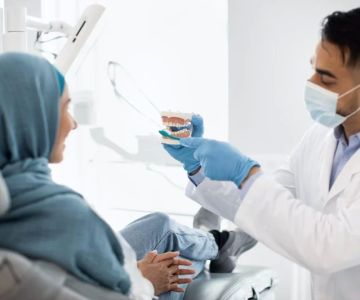
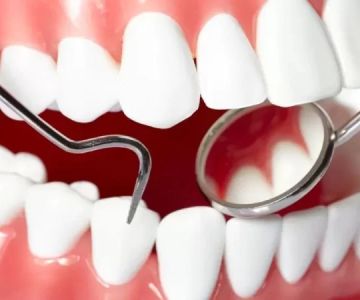
Even the best home care cannot replace professional dental cleanings and exams. Visiting your dentist every six months allows for early detection of problems and professional plaque removal in hard-to-reach areas.
Dentists also provide personalized advice based on your oral health needs and may recommend treatments like sealants, fluoride applications, or orthodontics.
6. Real-Life Story: How a Consistent Routine Transformed a Patient’s Smile
Sarah, a 35-year-old mother from Ohio, struggled with frequent cavities and gum bleeding despite brushing regularly. After learning the correct brushing technique, committing to daily flossing, and adopting a balanced diet, her dental health drastically improved within six months.
Her dentist praised her progress and encouraged maintaining these habits. Sarah’s story highlights that with the right routine and mindset, anyone can achieve healthier teeth and gums.
7. Tips for Maintaining Motivation and Overcoming Common Challenges
Many people find it hard to maintain a consistent oral hygiene routine. Setting reminders, choosing enjoyable dental products, and involving family members can make the process easier.
If you experience discomfort or bleeding gums, consult a dentist rather than ignoring symptoms. Early intervention prevents minor issues from becoming serious problems.
8. Final Thoughts on Building the Best Oral Hygiene Routine
The best oral hygiene routine combines effective brushing, flossing, mouthwash use, a healthy diet, and regular dental visits. Personalized care and attention to detail lead to a lifetime of healthy smiles.
For those seeking expert guidance or professional dental care, Dentistry Toothtruth offers trusted services tailored to your unique needs. Explore their resources and find the support you need to achieve optimal oral health.

 Center One Dental Associates - Philadelphia Dentist4.0 (281 review)
 Dr. Albert R. Arcand, DMD4.0 (22 review)
 Bella Smiles at Roslyn5.0 (112 review)
 Dentistry By Design of Cary4.0 (71 review)
 Freeport Kids Dental & Orthodontics4.0 (235 review)
 Rigby Dental - West Jordan4.0 (944 review)
 The Importance of Oral Health Education During Pregnancy for a Healthy Pregnancy
 Best Tips for Brushing Your Teeth Properly for Healthy Gums: Essential Techniques for Oral Health
 Why Skipping Dental Checkups Can Lead to Bigger Oral Health Problems
 Advantages of Porcelain Dental Restorations
 How Can Diabetes Cause Tooth and Gum Problems? Preventing and Managing Oral Health Issues
 Healthy Habits for Promoting Good Oral Health and Hygiene: Tips for a Healthy Smile