
Understanding Edentulism: What Causes Tooth Loss?
Edentulism, the condition of being completely toothless, can significantly affect a person's quality of life. While tooth loss is often a natural part of aging, it can also result from various oral diseases. Understanding these conditions and how they lead to tooth loss can help you take proactive measures to maintain your oral health and prevent edentulism. In this article, we will explore the common oral diseases that contribute to edentulism and provide tips on preventing tooth loss.
1. Periodontal Disease (Gum Disease)
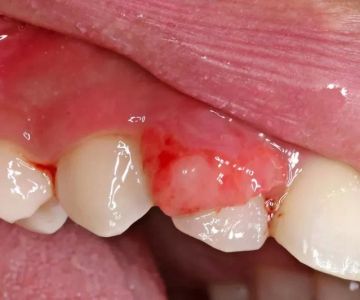
Periodontal disease, commonly referred to as gum disease, is one of the leading causes of tooth loss in adults. It occurs when plaque and bacteria build up along the gumline, leading to inflammation and infection of the gums. If left untreated, periodontal disease can cause the gums to recede and the bone that supports the teeth to deteriorate. This weakens the teeth, causing them to become loose and eventually fall out.
How to Prevent It: Good oral hygiene is essential to preventing gum disease. Brush your teeth twice a day with fluoride toothpaste, floss daily, and visit your dentist regularly for professional cleanings. If you notice signs of gum disease, such as bleeding gums or bad breath, consult your dentist immediately.
2. Tooth Decay (Cavities)
Tooth decay, or cavities, is another common cause of tooth loss. Cavities occur when bacteria in the mouth produce acids that break down the enamel, leading to holes in the teeth. Over time, untreated cavities can cause severe damage to the tooth structure, leading to infection and the need for tooth extraction. In advanced stages, cavities can result in the loss of the affected tooth.
How to Prevent It: Regular brushing with fluoride toothpaste, limiting sugary snacks and drinks, and visiting your dentist for regular check-ups can help prevent cavities. If a cavity is detected early, it can be treated with a filling, preventing further damage.
3. Oral Cancer
Oral cancer is a serious condition that can lead to tooth loss if not diagnosed and treated early. It can affect any part of the mouth, including the lips, tongue, gums, and throat. Oral cancer can cause pain, difficulty chewing or swallowing, and changes in the appearance of the mouth. In severe cases, it may result in the removal of teeth and surrounding tissues.
How to Prevent It: Avoiding tobacco use, limiting alcohol consumption, and practicing sun protection (for the lips) are key steps in preventing oral cancer. Regular dental exams can help detect early signs of oral cancer, so be sure to visit your dentist for routine screenings.
4. Bruxism (Teeth Grinding)
Bruxism, or teeth grinding, is a condition where a person involuntarily grinds or clenches their teeth, often during sleep. Over time, this excessive pressure can wear down the enamel, causing tooth sensitivity, fractures, and even tooth loss. If left untreated, bruxism can lead to severe damage to the teeth and gums.
How to Prevent It: If you suspect that you are grinding your teeth, consult with your dentist. They may recommend wearing a night guard to protect your teeth while you sleep. Reducing stress and avoiding stimulants like caffeine before bed can also help reduce the occurrence of bruxism.
5. Diabetes and Its Impact on Oral Health
Diabetes is a condition that affects blood sugar levels, but it also has a significant impact on oral health. People with uncontrolled diabetes are more prone to developing gum disease, tooth decay, and other oral infections. High blood sugar levels can reduce the body's ability to fight infections, making it harder for the gums to heal from inflammation and infection.
How to Prevent It: Managing blood sugar levels is crucial for preventing oral health problems related to diabetes. Regular dental visits, combined with good oral hygiene practices, can help manage the risk of tooth loss in diabetic patients.
How to Prevent Tooth Loss and Maintain Healthy Teeth
While oral diseases like gum disease, tooth decay, and bruxism can lead to edentulism, taking preventive measures can significantly reduce the risk of tooth loss. Here are some key tips for maintaining a healthy smile:
- Brush your teeth twice a day with fluoride toothpaste.
- Floss daily to remove plaque and food particles between your teeth.
- Visit your dentist regularly for cleanings and check-ups.
- Avoid tobacco products and limit alcohol consumption.
- Maintain a healthy diet rich in vitamins and minerals for strong teeth and gums.
- Protect your teeth from grinding with a night guard if necessary.
By following these tips, you can reduce your risk of developing oral diseases and maintain your natural teeth for years to come. If you're concerned about your oral health or need professional dental care, visit Family Dentistry Online for expert advice and services tailored to your needs.


 Nice Dental Care4.0 (24 review)
 Aurora Dental Care4.0 (153 review)
 Light Dental Studios of University Place4.0 (279 review)
 Kwong Orthodontics4.0 (10 review)
 Casey A. Rutkowski DMD, PA5.0 (205 review)
 Arc Advanced Dentistry & Cosmetics3.0 (18 review)
 The Importance of Oral Health Education During Pregnancy for a Healthy Pregnancy
 Best Tips for Brushing Your Teeth Properly for Healthy Gums: Essential Techniques for Oral Health
 Why Skipping Dental Checkups Can Lead to Bigger Oral Health Problems
 Advantages of Porcelain Dental Restorations
 How Can Diabetes Cause Tooth and Gum Problems? Preventing and Managing Oral Health Issues
 Healthy Habits for Promoting Good Oral Health and Hygiene: Tips for a Healthy Smile