
- Understanding the Dental Bridge Procedure
- Initial Recovery Phase After Getting a Dental Bridge
- Common Challenges During Dental Bridge Recovery
- How to Care for Your Dental Bridge During Recovery
- Long-Term Maintenance After Getting a Dental Bridge
Understanding the Dental Bridge Procedure
A dental bridge is a popular solution for replacing missing teeth. It involves creating a prosthetic tooth that fills the gap left by a missing tooth, supported by crowns placed on adjacent teeth. The procedure typically involves two visits to the dentist. During the first visit, the adjacent teeth are prepared, and a mold of your teeth is taken to design a custom bridge. The second visit involves fitting the bridge once it has been fabricated in the dental lab.
After the procedure, it's important to understand the recovery process to ensure optimal results and comfort as your mouth heals.
Initial Recovery Phase After Getting a Dental Bridge
The recovery process after getting a dental bridge can vary depending on individual factors, but most patients experience some level of discomfort immediately after the procedure. This discomfort typically lasts a few days and can include soreness or sensitivity in the gums and teeth. This is particularly true if your dentist had to reshape or adjust the adjacent teeth to fit the bridge.
In the initial phase, you may also experience some mild swelling around the gums or temporary sensitivity to hot and cold. These symptoms are usually manageable with over-the-counter pain relievers and will gradually subside as your mouth adjusts to the new bridge.
Common Challenges During Dental Bridge Recovery
While the recovery process after getting a dental bridge is generally smooth, there are some common challenges that patients may face:
- Discomfort when chewing: Initially, chewing with a new bridge can feel odd, especially if it's the first time you're wearing a dental appliance. It may take a few days for your mouth to get used to the new bridge.
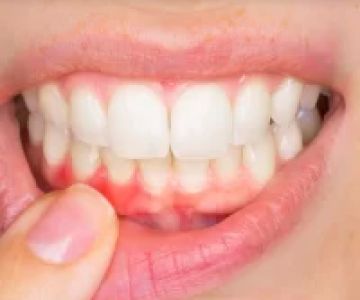
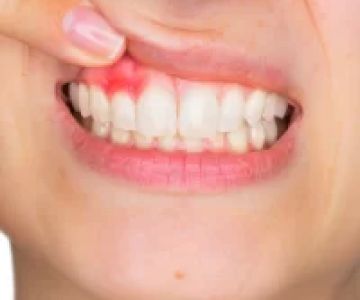
- Gum irritation: As the gums heal around the bridge, some irritation or mild inflammation may occur. This can typically be alleviated with warm saltwater rinses.
- Adjustment period: If the bridge is too high or not fitting correctly, it may cause discomfort when you bite down. Your dentist may need to make small adjustments to the bridge during follow-up appointments.
These challenges are common but usually temporary. However, if discomfort persists or worsens, it's important to consult with your dentist.
How to Care for Your Dental Bridge During Recovery
Caring for your dental bridge during recovery is crucial to ensure proper healing and prevent complications. Here are some important care tips:
- Follow your dentist's instructions: Your dentist will provide specific care instructions, including when to start brushing and flossing around the bridge. It's important to follow these guidelines to avoid damaging the bridge or the surrounding teeth.
- Eat soft foods: In the first few days after the procedure, stick to soft foods and avoid chewing on hard or sticky foods that could put unnecessary pressure on the new bridge.
- Maintain good oral hygiene: Regular brushing and flossing around the bridge will help keep your gums healthy and prevent plaque buildup, which can lead to gum disease and other complications.
Long-Term Maintenance After Getting a Dental Bridge
Once the initial recovery phase is complete, it's important to maintain your dental bridge for the long term. Proper care and regular dental visits will help ensure the longevity of your bridge and prevent issues such as decay or gum disease. Here are some tips for maintaining your dental bridge:
- Schedule regular dental checkups: Regular visits to your dentist are crucial for ensuring that your bridge remains in good condition. Your dentist will check for signs of wear or damage and may make adjustments or repairs as necessary.
- Use a water flosser: Using a water flosser is an effective way to clean between the teeth and under the bridge, helping to prevent plaque buildup and gum disease.
- Avoid grinding your teeth: If you grind your teeth at night, consider wearing a nightguard to protect your dental bridge from damage.
With the right care, your dental bridge can last many years, helping you maintain a beautiful and functional smile.
For more information about the recovery process after getting a dental bridge and to explore your options, visit Dentistry Toothtruth for expert advice and guidance.


 Don C. Kalant Sr. DDS, FACD, FICD3.0 (32 review)
 Family Dentist4.0 (5 review)
 Lakeview Dental PC4.0 (29 review)
 Montvale Dental Group4.0 (121 review)
 Romani Orthodontics4.0 (198 review)
 Millennium Dental Arts5.0 (235 review)
 The Importance of Oral Health Education During Pregnancy for a Healthy Pregnancy
 Best Tips for Brushing Your Teeth Properly for Healthy Gums: Essential Techniques for Oral Health
 Why Skipping Dental Checkups Can Lead to Bigger Oral Health Problems
 Advantages of Porcelain Dental Restorations
 How Can Diabetes Cause Tooth and Gum Problems? Preventing and Managing Oral Health Issues
 Healthy Habits for Promoting Good Oral Health and Hygiene: Tips for a Healthy Smile