
What Is the Correct Order for Oral Hygiene
People often ask: what is the correct order for oral hygiene? With so many products and advice available, it’s natural to feel confused. Should you floss first, or brush first? Is mouthwash best at the beginning or the end? The answer matters because following the right order ensures maximum cleaning, protection, and long-term oral health. In the United States, dentists emphasize creating a consistent, evidence-based oral care routine to prevent cavities, gum disease, and bad breath.
Step 1: Start With Flossing
Why flossing comes first
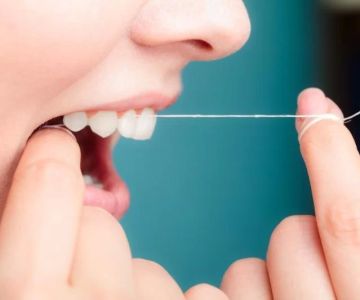
Flossing removes food particles and plaque stuck between teeth where a toothbrush cannot reach. By flossing before brushing, you loosen debris and create space for fluoride from toothpaste to penetrate deeper. Skipping this step allows hidden plaque to build up, potentially leading to gum inflammation.
Real-life example
Consider a college student who brushed diligently twice a day but rarely flossed. During a dental checkup, her gums showed early signs of gingivitis. After adopting the habit of flossing first, her bleeding gums decreased within weeks, showing the importance of proper order.
Step 2: Follow With Brushing
How to brush effectively
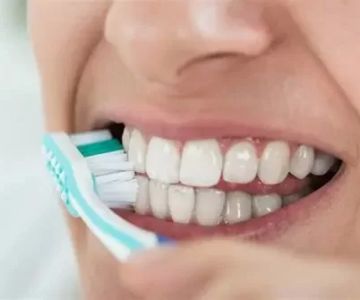
Once flossing clears the way, brushing with fluoride toothpaste ensures a thorough clean. Use a soft-bristled toothbrush, brushing gently in circular motions for two full minutes. Cover all tooth surfaces—front, back, and chewing areas—plus the gumline and tongue.
Timing and technique
Dentists recommend brushing at least twice daily, ideally after breakfast and before bedtime. Brushing right after flossing means you wash away loosened particles and coat your teeth with fluoride protection.
Step 3: Rinse With Mouthwash
When mouthwash makes sense
Mouthwash is most effective as the final step. Antimicrobial rinses help kill bacteria, while fluoride rinses strengthen enamel. Using mouthwash last ensures it reaches every area of your mouth without being rinsed away immediately by brushing or flossing.
Types of mouthwash
There are alcohol-based and alcohol-free options. For individuals with sensitive gums, alcohol-free is often the better choice. Dentists may also prescribe specialized rinses for patients with gum disease or frequent cavities.
Why the Order Matters
Flossing, brushing, and rinsing in the correct sequence creates a comprehensive defense against plaque and bacteria. If you reverse the order, such as using mouthwash before brushing, you may wash away fluoride prematurely. Similarly, brushing before flossing may leave toothpaste trapped on the surface without cleaning in between teeth properly.
Extra Oral Hygiene Tips
1. Replace toothbrushes regularly
Change your toothbrush or electric brush head every 3–4 months, or sooner if bristles fray. Worn brushes don’t clean effectively.
2. Don’t skip the tongue
Bacteria on the tongue contribute to bad breath. A quick brush or tongue scraper keeps your breath fresh and reduces bacterial load.
3. Maintain consistency
Even the best order only works if practiced daily. Oral hygiene is less about perfection and more about consistency over time.
Stories From Everyday People
In one viral online post, a father shared how his teenage son used mouthwash as his only routine, skipping brushing and flossing. Within a year, the teen had multiple cavities. After switching to the proper order—floss, brush, then rinse—his next dental visit showed no new cavities. These real cases remind us that simple habits make a dramatic difference.
When to Seek Professional Guidance
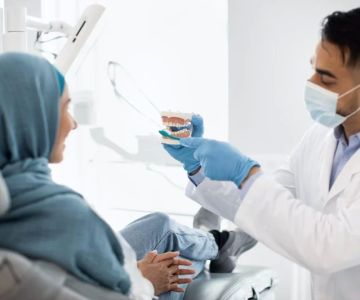
If you experience persistent bad breath, bleeding gums, or tooth sensitivity despite following the correct order, it’s time to consult a professional. Routine checkups catch problems early. Family Dentistry Online can connect you with trusted dental services across the United States, making it easier to maintain oral health with professional support.


 Vicente Dental5.0 (79 review)
 Tend East Nashville4.0 (319 review)
 Matthew J. Walters DDS0.0 (0 review)
 Ernstberger Orthodontics5.0 (326 review)
 Osborne Dental South Jordan5.0 (170 review)
 Bates Dental Care5.0 (14 review)
 The Importance of Oral Health Education During Pregnancy for a Healthy Pregnancy
 Best Tips for Brushing Your Teeth Properly for Healthy Gums: Essential Techniques for Oral Health
 Why Skipping Dental Checkups Can Lead to Bigger Oral Health Problems
 Advantages of Porcelain Dental Restorations
 How Can Diabetes Cause Tooth and Gum Problems? Preventing and Managing Oral Health Issues
 Healthy Habits for Promoting Good Oral Health and Hygiene: Tips for a Healthy Smile