
What Is the Best Oral Hygiene Routine?
Maintaining excellent oral health is not only about having a bright smile—it’s also about protecting your gums, teeth, and overall well-being. A strong oral hygiene routine can help prevent cavities, gum disease, bad breath, and even systemic health issues that are linked to poor dental care. Many people in the United States wonder: what is the best oral hygiene routine? The truth is, it involves a combination of daily practices, professional dental care, and smart lifestyle choices that work together to safeguard your mouth.
1 - Daily Brushing Habits That Make a Difference
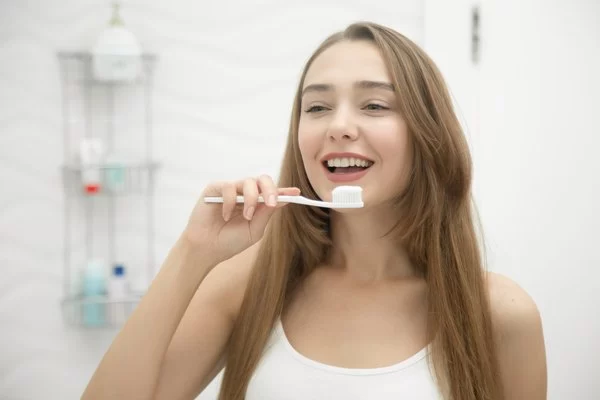
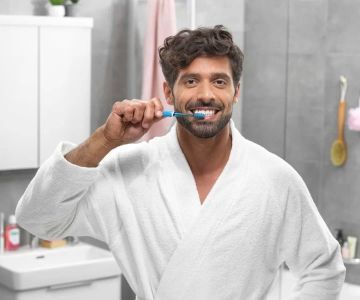
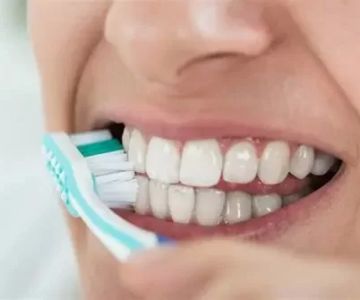
One of the cornerstones of oral hygiene is brushing. Dentists across the U.S. recommend brushing twice a day, but the technique and timing matter as much as frequency. Using a soft-bristled toothbrush with fluoride toothpaste ensures you’re cleaning effectively without damaging enamel or irritating gums. Spend at least two full minutes brushing, paying attention to all tooth surfaces, including the gumline and back molars where plaque often hides. An electric toothbrush can be especially effective, as it helps maintain consistent strokes and pressure, which many people struggle to achieve manually.
1.1 Why Morning and Night Brushing Matter
Brushing in the morning helps remove plaque and bacteria that build up overnight, giving you fresh breath for the day. Brushing at night before bed is even more critical, as it removes food particles and bacteria that could otherwise sit on your teeth and gums for hours, leading to cavities and gum inflammation. Skipping nighttime brushing is one of the most common mistakes that accelerate dental problems.
2 - Flossing: The Often Overlooked Essential
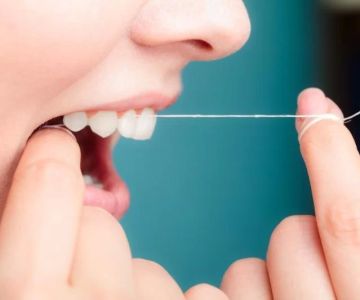
While brushing cleans about 60% of your tooth surfaces, flossing takes care of the remaining 40% that toothbrushes cannot reach. Flossing once a day prevents plaque buildup between teeth and reduces the risk of gum bleeding, gingivitis, and bad breath. Many people skip flossing because they find it inconvenient, but the difference in gum health is remarkable when it becomes a daily habit. Alternatives such as water flossers or interdental brushes are available for those who struggle with traditional string floss, making it easier to keep up the routine.
2.1 Real Stories of Flossing Benefits
Consider the case of a college student in California who had persistent gum bleeding despite regular brushing. After committing to a three-week daily flossing challenge, she noticed her gums were healthier, and the bleeding stopped entirely. This story is common, as gum tissue responds quickly to consistent care, reinforcing the value of flossing in any oral hygiene plan.
3 - Mouthwash: An Extra Layer of Protection
Mouthwash can complement brushing and flossing by reaching areas in the mouth that might otherwise be missed. Antimicrobial rinses reduce bacteria, while fluoride rinses strengthen enamel. Choosing the right mouthwash depends on your personal needs. For example, someone prone to cavities may benefit most from a fluoride rinse, while someone struggling with gum inflammation might choose an antibacterial option. While mouthwash should not replace brushing and flossing, it can be a powerful addition to a complete oral hygiene routine.
4 - Diet and Lifestyle’s Role in Oral Health
Your diet directly affects your teeth and gums. Sugary snacks and acidic drinks erode enamel and feed harmful bacteria, leading to tooth decay. On the other hand, a diet rich in calcium, vitamin D, and crunchy vegetables supports strong teeth and gums. Hydration also plays a role—drinking plenty of water helps wash away food particles and keeps your mouth moist, reducing the risk of dry mouth and cavities. Lifestyle choices such as quitting smoking are equally vital, as tobacco use is one of the leading causes of gum disease in the U.S.
5 - Professional Dental Check-Ups and Cleanings
Even with perfect daily care, professional dental visits are necessary. Dentists can detect early signs of decay, gum disease, or oral cancer that you might miss at home. Professional cleanings remove hardened tartar that brushing and flossing cannot, lowering your risk of long-term dental problems. The American Dental Association recommends visiting your dentist every six months, though some people may require more frequent visits depending on their oral health condition. These regular appointments are not just about cleaning but about prevention, ensuring long-term oral health.
6 - Building a Personalized Oral Hygiene Routine
While there are universal recommendations, the best oral hygiene routine is one tailored to your personal needs. For example, a teenager with braces may require specialized cleaning tools, while an older adult might focus on preventing dry mouth and preserving remaining teeth. Children may need fluoride treatments to strengthen developing enamel, while athletes might require custom-fitted mouthguards to protect teeth from injury. Recognizing your lifestyle, age, and dental history helps build a routine that works best for you.
7 - How Family Dentistry Online Can Support You
At Family Dentistry Online, we understand that finding the best oral hygiene routine can feel overwhelming. That’s why we offer expert advice, product recommendations, and professional insights to help you create a personalized care plan. Whether you’re searching for the right toothbrush, toothpaste, or guidance on gum health, our platform connects you with reliable solutions trusted by dental professionals. Oral health is not a one-time task—it’s a lifelong commitment, and with the right tools and knowledge, you can protect your smile for years to come.

 Cherry Hill Dental Excellence5.0 (534 review)
 Articolo Orthodontics5.0 (4 review)
 Dr. Beth A. O'Connor, DDS4.0 (96 review)
 That Broadway Smile5.0 (1689 review)
 Family Dental Care4.0 (212 review)
 Sutton Children’s Dentistry and Orthodontics4.0 (249 review)
 The Importance of Oral Health Education During Pregnancy for a Healthy Pregnancy
 Best Tips for Brushing Your Teeth Properly for Healthy Gums: Essential Techniques for Oral Health
 Why Skipping Dental Checkups Can Lead to Bigger Oral Health Problems
 Advantages of Porcelain Dental Restorations
 How Can Diabetes Cause Tooth and Gum Problems? Preventing and Managing Oral Health Issues
 Healthy Habits for Promoting Good Oral Health and Hygiene: Tips for a Healthy Smile