
What is Sleep Apnea Treatment in Dentistry? Effective Solutions for Better Sleep
- 1. Understanding Sleep Apnea and Its Impact on Your Health
- 2. The Role of Dentistry in Sleep Apnea Treatment
- 3. Dental Treatments for Sleep Apnea: Oral Appliances
- 4. Benefits of Oral Appliances for Sleep Apnea
- 5. Real-Life Success Stories: How Dental Treatment Improved Sleep
1. Understanding Sleep Apnea and Its Impact on Your Health
Sleep apnea is a serious condition where the airway becomes blocked during sleep, causing interruptions in breathing. This can lead to poor sleep quality, fatigue, and even more severe health problems like high blood pressure, heart disease, and diabetes. People with sleep apnea often experience loud snoring, choking, and gasping for air while sleeping. These disruptions can lead to chronic exhaustion and affect overall well-being.
While there are different types of sleep apnea, including obstructive, central, and complex, obstructive sleep apnea (OSA) is the most common. OSA occurs when the muscles in the back of the throat relax excessively, causing a blockage of the airway. For many people, seeking treatment is crucial not only for improving sleep quality but also for preventing long-term health issues.
2. The Role of Dentistry in Sleep Apnea Treatment
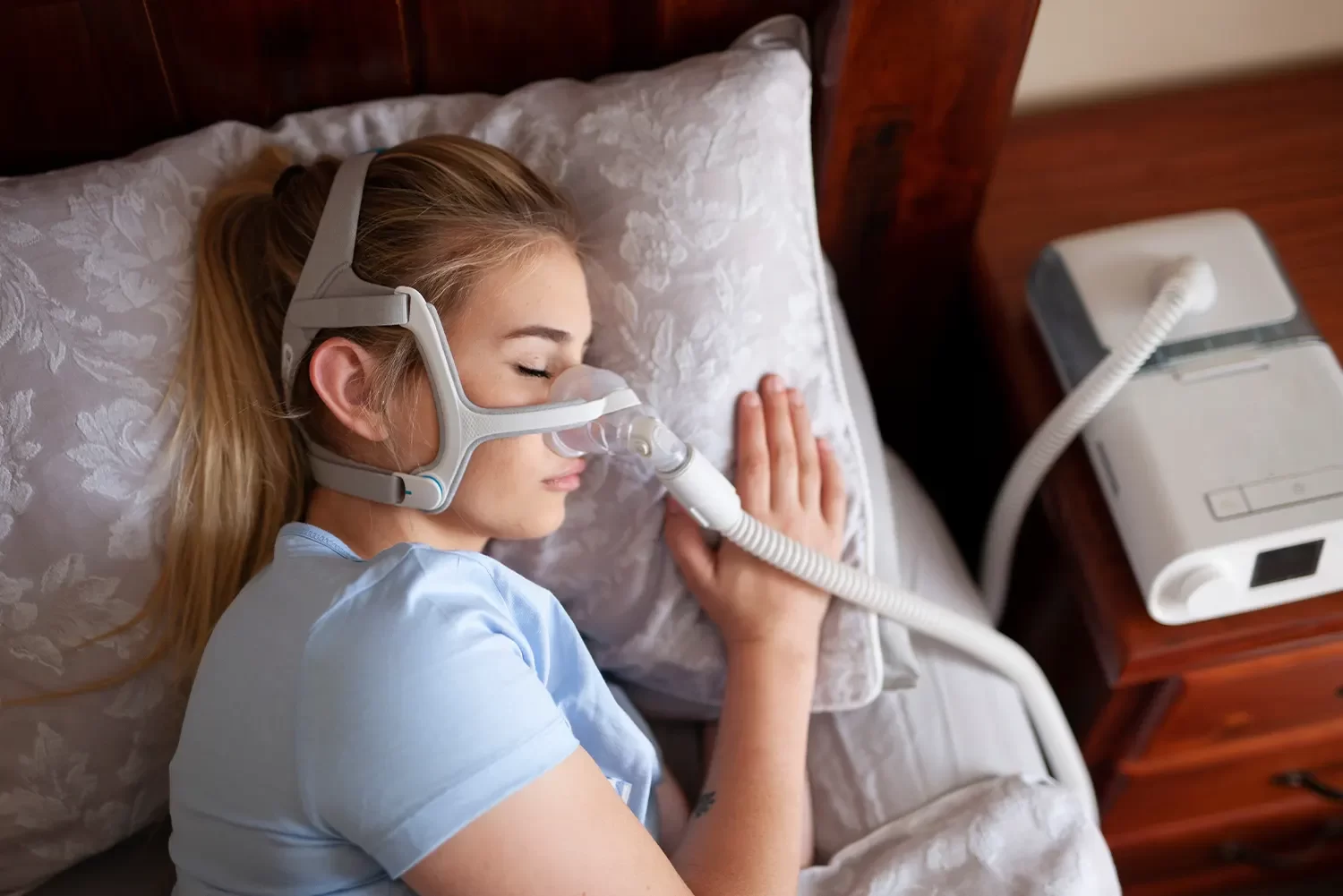
When it comes to managing sleep apnea, dentistry plays a key role, especially through the use of dental sleep medicine. Traditionally, the most common treatment for sleep apnea has been the use of a Continuous Positive Airway Pressure (CPAP) machine, which helps keep the airway open during sleep. However, many people find CPAP uncomfortable or difficult to use consistently.
In such cases, dentists trained in sleep medicine can offer an alternative solution: dental devices. These devices are custom-made oral appliances that help keep the airway open by repositioning the jaw or tongue during sleep. Dental sleep treatment is becoming increasingly popular for individuals who suffer from mild to moderate obstructive sleep apnea (OSA) or those who are unable to tolerate a CPAP machine.
3. Dental Treatments for Sleep Apnea: Oral Appliances
Dental treatments for sleep apnea typically involve the use of oral appliances, which are worn during sleep to help prevent airway obstruction. There are two main types of dental devices used for sleep apnea treatment:
- Mandibular Advancement Devices (MAD): These are the most common type of oral appliance for sleep apnea. They work by gently repositioning the lower jaw (mandible) forward to keep the airway open. By advancing the jaw, these devices prevent the soft tissues in the throat from collapsing and blocking the airway during sleep.
- Tongue Retaining Devices (TRD): TRDs are designed to hold the tongue in a forward position, preventing it from falling back and obstructing the airway. These devices are often recommended for people who have sleep apnea but don't respond well to mandibular advancement devices.
Both types of devices are custom-fitted by a dentist to ensure comfort and effectiveness. The right device depends on the severity of your sleep apnea, your anatomy, and your personal preferences.
4. Benefits of Oral Appliances for Sleep Apnea
Oral appliances for sleep apnea offer several advantages over traditional CPAP therapy:
- Comfortable and Convenient: Unlike the bulky CPAP machine, oral appliances are small, lightweight, and easy to wear. Most people find them much more comfortable, making it easier to wear them consistently at night.
- Improved Sleep Quality: By keeping the airway open and reducing interruptions in breathing, oral appliances help improve sleep quality. This leads to better rest, less fatigue, and a more energized feeling during the day.
- Non-Invasive: Dental sleep appliances are non-invasive and don't require surgery. They are a less invasive option for people with mild to moderate sleep apnea who may not need or want CPAP therapy.
- Portable and Travel-Friendly: Since oral appliances are small and easy to carry, they are an excellent option for people who travel frequently. You can take them anywhere, unlike a CPAP machine that requires a power source and can be cumbersome to transport.
Overall, oral appliances offer a highly effective, convenient, and non-invasive treatment option for people dealing with sleep apnea.
5. Real-Life Success Stories: How Dental Treatment Improved Sleep
Let's take a look at a couple of real-life examples of how dental treatment has helped individuals improve their sleep and quality of life:
Case Study 1: Jane, a 42-year-old woman, struggled with chronic snoring and constant fatigue for years. After being diagnosed with mild sleep apnea, she decided to try an oral appliance as an alternative to CPAP therapy. After just a few nights of using the device, she noticed a significant improvement in her sleep quality. Jane no longer woke up in the middle of the night gasping for air, and she felt more rested during the day.
Case Study 2: Mark, a 55-year-old man with moderate obstructive sleep apnea, had always resisted the idea of using a CPAP machine. He found it uncomfortable and cumbersome. After consulting with his dentist, Mark was fitted with a mandibular advancement device. The results were transformative—Mark’s sleep apnea symptoms decreased dramatically, and he could finally sleep through the night without interruptions. His energy levels during the day also improved significantly.
These success stories show how dental treatments, such as oral appliances, can provide effective solutions for managing sleep apnea and improving overall well-being.
If you’re struggling with sleep apnea and want to explore your treatment options, Dentistry Toothtruth offers expert advice and personalized solutions. Our team of experienced dental professionals is ready to help you find the right treatment for your needs. Take the first step toward better sleep today!

 La Verne Dental Group4.0 (220 review)
 Crown Point Dental Care4.0 (453 review)
 South Corona Dental Group4.0 (287 review)
 Lakeview Dental Care of Cherry Hill4.0 (931 review)
 Universal Dentistry4.0 (144 review)
 House of Braces: Yon H. Lai, DDS, PC3.0 (181 review)
 The Importance of Oral Health Education During Pregnancy for a Healthy Pregnancy
 Best Tips for Brushing Your Teeth Properly for Healthy Gums: Essential Techniques for Oral Health
 Why Skipping Dental Checkups Can Lead to Bigger Oral Health Problems
 Advantages of Porcelain Dental Restorations
 How Can Diabetes Cause Tooth and Gum Problems? Preventing and Managing Oral Health Issues
 Healthy Habits for Promoting Good Oral Health and Hygiene: Tips for a Healthy Smile