
1. What Haitians Know About Oral Hygiene and Dentistry
Oral hygiene is crucial for maintaining overall health, and it is no different in Haiti, where traditional practices and modern dentistry intersect. In Haiti, knowledge about oral hygiene and dentistry is deeply influenced by culture, accessibility, and education. Despite challenges such as limited access to dental care in rural areas, many Haitians prioritize basic oral hygiene practices, largely relying on locally available resources. In this article, we’ll explore what Haitians know about oral hygiene and dentistry, shedding light on both traditional practices and how modern dental health is evolving within the country.
2. Traditional Oral Hygiene Practices in Haiti
In Haiti, oral hygiene practices have been passed down through generations, with many Haitians still relying on traditional methods for maintaining oral health. While modern dental care is becoming more common in urban areas, these time-tested practices remain vital in rural regions where dental clinics may be scarce.
1. The Use of Chewing Sticks: One of the most common traditional practices in Haiti is the use of chewing sticks. These sticks, often made from twigs of certain trees like the "Acacia" or "Neem" tree, are used to clean the teeth. The twigs are chewed at one end until they form bristles, which can then be used to scrub the teeth. This method has been practiced for centuries and is still a widely used technique in many parts of Haiti today. It serves not only as a way to clean teeth but also as a tool for massaging the gums, which helps improve blood circulation.
2. Salt and Baking Soda: In many Haitian households, salt and baking soda are common ingredients for homemade toothpaste. These natural abrasives are used to scrub away plaque and food particles. While not a substitute for professional dental care, these DIY methods are seen as effective at maintaining cleanliness, especially in areas where modern toothpaste may be less accessible.
3. Modern Dentistry in Haiti
Despite the prevalence of traditional oral hygiene methods, modern dentistry is growing in popularity in Haiti, especially in urban centers like Port-au-Prince. The country's dental care system has made significant strides in recent years, with a growing number of dental professionals and clinics offering services ranging from routine checkups to advanced treatments. However, the availability and affordability of dental services remain an issue for many Haitians, particularly those in rural communities.
1. Increased Access to Dental Care: Over the past few decades, Haiti has seen an increase in dental awareness and education. More Haitians are now aware of the importance of professional dental care, and there is a growing interest in preventive treatments like teeth cleanings and sealants. This shift is largely attributed to NGOs and international organizations that provide dental care in underserved areas. These organizations have helped bridge the gap in dental health education and services, providing free or low-cost dental care to those in need.
2. Dental Education and Training: In Haiti, there has been a push to improve dental education and training. The country now has several dental schools that provide education for future dental professionals. These schools play a crucial role in preparing the next generation of Haitian dentists and raising awareness about modern dental practices. With the help of international partnerships, the curriculum is continually updated to reflect the latest advancements in dental care.
4. Common Dental Issues in Haiti
Despite improvements in oral health education, many Haitians still struggle with dental issues that are prevalent in developing countries. Access to dental care is a major barrier, and as a result, many people only seek professional help when issues become severe. Some of the most common dental issues in Haiti include:
1. Tooth Decay: Tooth decay, or cavities, is a widespread issue in Haiti due to a lack of access to fluoride treatments and poor oral hygiene habits in rural areas. Many Haitians also have limited access to fluoride toothpaste, which increases the risk of tooth decay. The diet, which can be high in sugar from foods like sweets and drinks, also contributes to this problem.
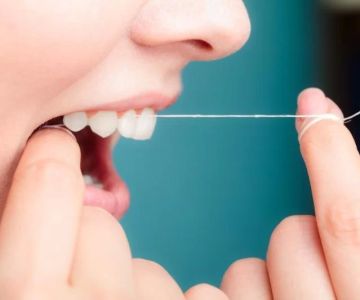
2. Gum Disease: Gum disease is another common issue in Haiti. Many individuals are unaware of the importance of flossing and proper brushing techniques, which contributes to gum problems like gingivitis and periodontitis. Without regular dental checkups, these issues can lead to more serious complications, such as tooth loss.
3. Lack of Preventive Care: Many Haitians are unfamiliar with the importance of preventive dental care, such as regular cleanings and checkups. As a result, many individuals only seek dental treatment when pain or discomfort becomes unbearable. This often leads to more complex and costly dental procedures that could have been prevented with early intervention.
5. The Impact of Education and Outreach on Oral Health in Haiti
One of the most significant changes in Haiti's dental landscape in recent years has been the increase in dental education and outreach programs. Organizations and dental professionals have worked tirelessly to raise awareness about the importance of oral hygiene and the benefits of regular dental visits. Through public health campaigns, local clinics, and mobile dental units, many Haitians are now learning about proper oral care practices and the importance of early intervention for dental problems.
1. Community Health Initiatives: Many community-based health initiatives have been set up to educate the population about oral hygiene. These initiatives focus on teaching people how to brush properly, the importance of flossing, and how to make healthy food choices to improve oral health. These programs are particularly important in rural areas where access to dental care is limited, and people may not have received formal dental education.
2. International Support and Collaboration: Organizations like the Pan American Health Organization (PAHO) and various international NGOs have provided vital support to Haiti’s dental care system. Through partnerships with local communities and health organizations, these groups help ensure that Haitians receive the necessary tools and education to improve their oral health. This support has been crucial in spreading awareness and increasing access to dental care for underserved populations.
6. How Haitians Can Improve Their Oral Health
While Haiti still faces many challenges in terms of access to dental care, there are steps Haitians can take to improve their oral health:
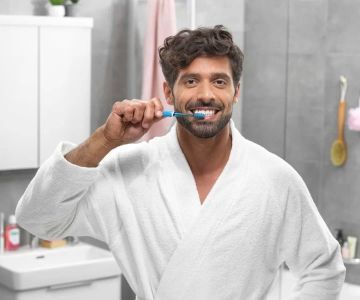
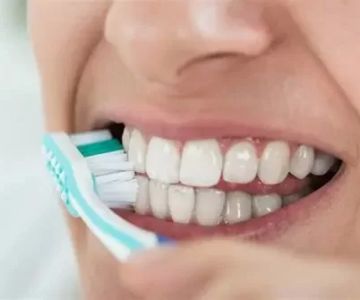
1. Proper Brushing and Flossing: Haitians can significantly improve their oral health by brushing their teeth at least twice a day with fluoride toothpaste and flossing daily. Even simple changes, such as using a better toothbrush or replacing a chewing stick with a proper toothbrush, can make a significant difference in preventing decay and gum disease.
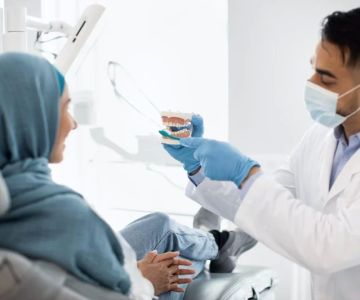
2. Regular Dental Checkups: Regular dental visits are essential for maintaining good oral health. Even though dental care is not widely accessible in some areas, Haitians should prioritize finding local dental clinics or mobile dental units that offer affordable services.
3. Healthy Eating Habits: A balanced diet with less sugar and more fruits and vegetables can help protect teeth and gums. Reducing the consumption of sugary foods and drinks can help prevent tooth decay and gum disease.
7. Conclusion
Oral hygiene and dental health in Haiti are in a state of transition, with more people becoming aware of the importance of professional dental care. While traditional practices are still prevalent, modern dentistry is gradually becoming more accessible, helping to improve the overall oral health of the population. Through education, outreach, and international support, Haitians are taking significant steps toward better oral hygiene and a healthier future. For those looking to take proactive steps in their oral health, exploring modern dental care options like those available at Family Dentistry Online is a great place to start.

 Village Dental - North Raleigh4.0 (1577 review)
 Dental Health Associates, P.A.3.0 (355 review)
 Maine Orthodontics5.0 (2 review)
 Schuller Dental5.0 (196 review)
 Reichheld Ting Orthodontics - Westford5.0 (308 review)
 HealthPartners Dental Clinic St. Paul2.0 (16 review)
 The Importance of Oral Health Education During Pregnancy for a Healthy Pregnancy
 Best Tips for Brushing Your Teeth Properly for Healthy Gums: Essential Techniques for Oral Health
 Why Skipping Dental Checkups Can Lead to Bigger Oral Health Problems
 Advantages of Porcelain Dental Restorations
 How Can Diabetes Cause Tooth and Gum Problems? Preventing and Managing Oral Health Issues
 Healthy Habits for Promoting Good Oral Health and Hygiene: Tips for a Healthy Smile