
Understanding the Transmission of Infections through Oral Sexual Activity
Many people consider oral sex a lower-risk sexual activity, yet several pathogens can pass from one partner to another during oral-genital contact. When you give oral sex, bacteria and viruses present in genital fluids or lesions on the skin can enter your mouth and throat. The warm, moist environment of the oral cavity can support microbial survival, allowing pathogens to infect mucosal tissues. This section outlines the biological mechanisms behind transmission and highlights why oral sex demands the same precautions as other intimate activities.
1. Mucous Membrane Vulnerability
The lining of the mouth, throat, and tongue consists of thin epithelial cells designed to absorb nutrients and fight daily insults. However, microabrasions from brushing, dental work, or eating crunchy foods can create entry points for pathogens. Even without visible cuts, the delicate tissues can absorb viral particles or bacteria during prolonged contact.
2. Fluids and Viral Load
Genital secretions, semen, vaginal fluids, and pre-ejaculate may contain high concentrations of disease-causing organisms. The risk increases if the giving partner encounters fluid during oral stimulation. Saliva alone may dilute some pathogens, but it cannot eliminate all risk, especially with viruses like herpes simplex or human papillomavirus (HPV), which thrive in mucosal tissues.
Common Sexually Transmitted Infections Transmitted via Oral Sex
Knowing which infections you can acquire from giving oral sex empowers you to make informed decisions. Below are some of the most frequently documented diseases, along with their symptoms, incubation periods, and potential long-term effects.
1. Human Papillomavirus (HPV)
HPV is the most common viral STI worldwide. Certain high-risk strains—such as HPV-16 and HPV-18—are linked to oropharyngeal cancers.
1.1 Symptoms and Diagnosis
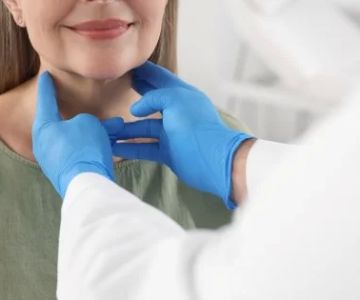
Often asymptomatic, HPV can silently infect the throat. When symptoms occur, they include persistent sore throat, difficulty swallowing, or a lump in the neck. Diagnosis requires a biopsy or specialized throat swab analyzed by molecular testing.
1.2 Prevention and Vaccination
The HPV vaccine, recommended for teens and young adults, prevents the most dangerous strains. Condoms and dental dams reduce—but do not eliminate—the risk during oral sex.
2. Herpes Simplex Virus (HSV)
HSV-1 and HSV-2 cause oral and genital herpes. While HSV-1 traditionally presents as cold sores, both types can infect the genital area and spread to the mouth.
2.1 Outbreaks and Shedding
Prodromal symptoms—tingling or itching—often precede visible sores. Even without lesions, asymptomatic viral shedding can transmit HSV. Daily antiviral medication reduces outbreak frequency and viral load.
2.2 Managing Herpes Infections
- Use antiviral creams or oral medication at the first sign of symptoms.
- Avoid oral sex during active outbreaks to prevent transmission.
- Communicate openly with partners about HSV status.
3. Gonorrhea and Chlamydia
These bacterial infections often target the urethra and cervix but can establish in the throat—known as pharyngeal gonorrhea or chlamydia.
3.1 Pharyngeal Infection Characteristics
Symptoms may include a mild sore throat, swollen lymph nodes, or no symptoms at all. Untreated, these bacteria can lead to systemic complications.
3.2 Antibiotic Treatment
Dual therapy—usually an intramuscular injection of ceftriaxone plus oral azithromycin—eradicates most cases. Partners should be treated simultaneously to prevent reinfection.
4. Syphilis
Syphilis, caused by the bacterium Treponema pallidum, can transmit through oral contact if a chancre (sore) is present on the genitals or in the mouth.
4.1 Stages and Oral Manifestations
Primary syphilis may present as a single, painless sore in the mouth. Secondary syphilis can cause mucous patches—grayish-white lesions on oral tissues.
4.2 Long-Term Impact and Treatment
Untreated syphilis progresses to latent and tertiary stages, causing cardiovascular and neurological damage. Penicillin remains the gold-standard cure.
5. Hepatitis A, B, and C
Hepatitis viruses, particularly A and B, can transmit via oral-anal contact or contact with contaminated fluids. Hepatitis C transmission through oral sex is rare but possible if blood exposure occurs.
5.1 Vaccinations and Precautions
Vaccines for hepatitis A and B are widely available and recommended for high-risk individuals. Avoiding contact with lesions and using barrier methods minimizes exposure.
Real-Life Stories Highlighting Oral Sex Infection Risks
Stories from real patients underscore how easily misconceptions about “safe” activities can lead to unexpected infections. These narratives remind us that transparency and precaution save both health and relationships.
1. Emily’s Unexpected Diagnosis
At 28, Emily believed her monogamous relationship protected her from STIs. After an unprotected oral encounter during a brief fling, she noticed persistent throat discomfort. A doctor’s swab confirmed pharyngeal gonorrhea. “I assumed oral sex was harmless, but I learned the hard way that bacteria don’t discriminate by body part,” she recalls. Prompt antibiotic treatment cleared the infection, but the experience reshaped her approach to sexual health.
2. Marcus and HPV Awareness
Marcus, a 35-year-old teacher, attended a routine physical and discovered an oropharyngeal lesion. Biopsy revealed high-risk HPV. “I had no idea HPV could hide in your throat,” he says. After cancer screening and close follow-up, he received counseling on vaccination and barrier use. Today he shares his story to destigmatize conversations around oral HPV transmission.
Strategies for Reducing Disease Risk during Oral Sexual Activity
Protecting yourself and your partners involves a combination of communication, prevention tools, and regular health check-ups. No single measure is foolproof, but layering strategies significantly lowers risk.
1. Honest Communication and Testing
Discuss sexual history and STI testing openly before engaging in oral sex. Routine screenings—every 6 to 12 months for sexually active adults—catch asymptomatic infections early.
2. Barrier Methods
- Condoms: For fellatio, use flavored or unflavored condoms to reduce bacterial and viral exchange.
- Dental Dams: Thin latex or polyurethane sheets placed over the vulva or anus during cunnilingus or anilingus.
- Cut-open Condom Technique: When dental dams are unavailable, a cut-open condom or clean plastic wrap provides some protection.
3. Vaccination and Prophylaxis
Vaccines for HPV and hepatitis A/B offer long-term protection. Pre-exposure prophylaxis (PrEP) for HIV, although primarily used for anal or vaginal sex, may be considered in high-risk scenarios.
4. Oral Hygiene and Health Maintenance
A healthy oral environment—free of sores, gingivitis, and cuts—reduces entry points for pathogens. Regular dental check-ups at Dentistry Toothtruth ensure early detection of any abnormalities and reinforce preventive care habits.
When to Seek Professional Help
Despite best efforts, infections can occur. Seeking timely medical attention prevents complications and curbs transmission.
1. Recognizing Warning Signs
- Persistent sore throat unresponsive to home remedies
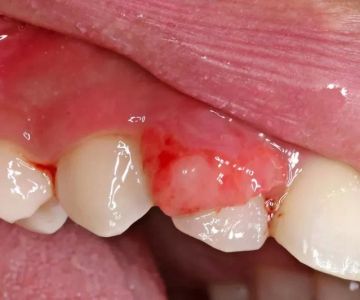
- Unusual oral lesions, blisters, or patches
- Swollen lymph nodes in the neck
- Discharge, bleeding, or pain during oral sex
2. Confidential Testing and Counseling
Many clinics offer discreet STI testing, including throat swabs and blood panels. Discussing results with a qualified provider guides appropriate treatment and partner notification.
Empowering Yourself with Knowledge and Resources
Understanding “what diseases can you get from giving oral sex” equips you to balance pleasure with responsibility. By combining honest dialogue, barrier use, vaccinations, and regular screenings, you protect both your health and that of your partners. For comprehensive sexual health services—from STI testing to vaccination—visit Dentistry Toothtruth, where expert care and compassionate guidance help you navigate intimate health with confidence.

 Parkland Pacific Dental4.0 (88 review)
 Sapphire Family Dental (Dr. Amy Chi, Dr. Emily Allen & Dr. Steven Rzepecki)4.0 (208 review)
 Smile Dental of New Rochelle5.0 (242 review)
 Mattschei Marcelo W DDS1.0 (1 review)
 Burton J Stein DMD4.0 (16 review)
 South Pasadena Dental Group - General Dentist & Cosmetic Dentistry South Pasdena4.0 (76 review)
 The Importance of Oral Health Education During Pregnancy for a Healthy Pregnancy
 Best Tips for Brushing Your Teeth Properly for Healthy Gums: Essential Techniques for Oral Health
 Why Skipping Dental Checkups Can Lead to Bigger Oral Health Problems
 Advantages of Porcelain Dental Restorations
 How Can Diabetes Cause Tooth and Gum Problems? Preventing and Managing Oral Health Issues
 Healthy Habits for Promoting Good Oral Health and Hygiene: Tips for a Healthy Smile