
What Diseases Can You Contract from Oral Health Issues?
Many people think of oral health as limited to cavities, gum problems, and bad breath. However, the truth is that oral hygiene plays a much bigger role in overall health than most realize. Research has shown that poor oral care and untreated infections in the mouth can lead to serious diseases, some of which go far beyond the teeth and gums. Understanding these risks is especially important for families across the United States, where preventive care can make the difference between simple dental treatment and long-term health complications.
1. Gum Disease and Its Systemic Impact
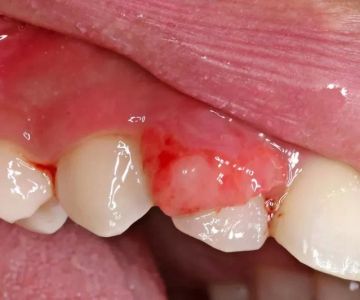
One of the most common oral health conditions is gum disease, medically known as periodontitis. Left untreated, gum disease allows bacteria to spread through the bloodstream. This chronic infection has been linked to an increased risk of diabetes, heart disease, and even certain cancers. For example, studies suggest that people with advanced gum disease are more likely to suffer heart attacks compared to those with healthy gums. This shows how something starting as swollen or bleeding gums can develop into a much more dangerous issue if ignored.
2. Oral Infections and Endocarditis
Bacteria from oral infections can travel through the bloodstream and attach to weakened areas of the heart. This condition, known as endocarditis, is a potentially life-threatening inflammation of the heart’s inner lining. Doctors often warn patients with certain heart conditions to take special precautions before undergoing dental procedures because of this risk. Real-life cases have shown patients who delayed dental treatments later developed serious heart complications due to the spread of oral bacteria.
3. Respiratory Diseases Linked to Oral Health
The bacteria that thrive in an unhealthy mouth can also affect the lungs. Aspiration of bacteria during breathing can lead to infections such as pneumonia, especially in older adults and people with weakened immune systems. In nursing homes across the U.S., poor oral hygiene has been associated with a higher rate of respiratory diseases. This highlights the importance of daily brushing and professional dental care as preventive measures not just for oral health, but for protecting vulnerable populations from severe lung infections.
4. The Connection Between Oral Bacteria and Diabetes
The relationship between diabetes and oral health is a two-way street. Gum disease makes it harder for the body to control blood sugar, while uncontrolled diabetes increases the risk of infections, including those in the mouth. Many patients first notice oral symptoms such as dry mouth, frequent infections, or slow healing gums before being diagnosed with diabetes. In this sense, dental visits can sometimes provide an early warning sign of systemic disease, emphasizing the role of dentists in overall health monitoring.
5. Oral Health and Cancer Risk
Another concerning aspect of poor oral hygiene is its potential connection to certain cancers. Chronic inflammation in the gums and exposure to harmful oral bacteria may contribute to cancers in the mouth, throat, and even organs like the pancreas. For example, studies in the United States have suggested a higher incidence of pancreatic cancer in individuals with long-term gum disease. While not every case of poor oral health leads to cancer, the connection provides a compelling reason for regular checkups and early treatment of any oral infections.
6. Neurological Diseases and Oral Health
Recent research has also begun exploring possible links between oral health and conditions like Alzheimer’s disease. Some studies have found that the same bacteria responsible for gum disease may play a role in the progression of cognitive decline. Although more research is needed, these findings suggest that maintaining oral health may also contribute to long-term brain health. Families caring for elderly loved ones are increasingly being advised to prioritize dental hygiene as part of a broader wellness plan.
7. Prevention and Protecting Overall Health
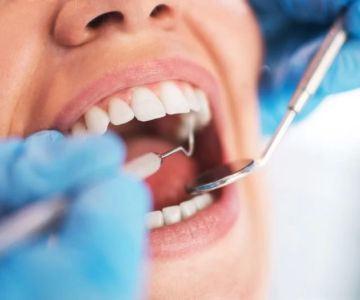
Fortunately, the risks associated with oral health can be greatly reduced through proper care. Brushing twice a day, flossing, and scheduling professional cleanings are essential steps. Avoiding tobacco, limiting sugar intake, and staying hydrated also play key roles in maintaining a healthy mouth. For families across the country, regular dental visits are not just about keeping a bright smile — they are an investment in overall well-being. For those seeking professional support, Family Dentistry Online offers resources and services to ensure that patients of all ages receive the best preventive care.
8. Why Awareness Matters Now More Than Ever
As healthcare providers continue to uncover the deep connection between oral hygiene and systemic health, awareness is becoming the most powerful tool for prevention. Ignoring toothaches, bleeding gums, or recurring infections can put individuals at risk of serious diseases that affect the heart, lungs, and beyond. By treating the mouth as an integral part of the body, patients can take proactive steps to safeguard their health for years to come. Oral health is not just a dental issue — it is a cornerstone of overall wellness.



 Dover Dental Center4.0 (44 review)
 Slutsky Harold DMD4.0 (83 review)
 Pro Dentists of Buford4.0 (575 review)
 Mind Your Mouth4.0 (173 review)
 Monarch Dental & Orthodontics4.0 (557 review)
 Dr. Nil Yucel, DDS4.0 (94 review)
 The Importance of Oral Health Education During Pregnancy for a Healthy Pregnancy
 Best Tips for Brushing Your Teeth Properly for Healthy Gums: Essential Techniques for Oral Health
 Why Skipping Dental Checkups Can Lead to Bigger Oral Health Problems
 Advantages of Porcelain Dental Restorations
 How Can Diabetes Cause Tooth and Gum Problems? Preventing and Managing Oral Health Issues
 Healthy Habits for Promoting Good Oral Health and Hygiene: Tips for a Healthy Smile