
What Are the Symptoms of Gum Disease? A Complete Guide to Identifying and Preventing Periodontal Issues
- Understanding Gum Disease
- Early Symptoms of Gum Disease
- Advanced Signs of Periodontal Disease
- Risk Factors for Gum Disease
- How to Prevent Gum Disease
- Where to Get Professional Gum Disease Treatment
1. Understanding Gum Disease
Gum disease, also known as periodontal disease, is a common oral health condition that affects millions of people worldwide. It occurs when plaque buildup along the gumline leads to inflammation, infection, and, in severe cases, tooth loss.
There are two main stages of gum disease: gingivitis (mild form) and periodontitis (advanced stage). Recognizing the symptoms early can help prevent serious complications and costly dental treatments.
2. Early Symptoms of Gum Disease
The initial stage of gum disease, known as gingivitis, presents mild symptoms that are often overlooked. Some common early signs include:
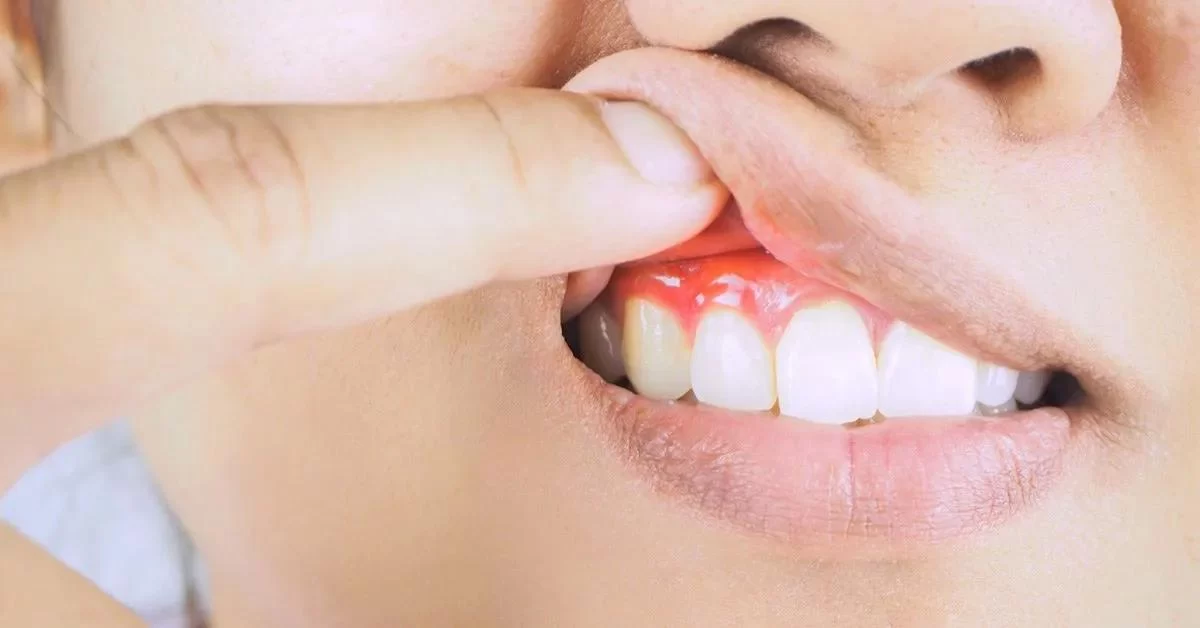
- Red or Swollen Gums: Inflammation is one of the first signs of gingivitis.
- Bleeding Gums: Bleeding during brushing or flossing is a key indicator of gum irritation.
- Persistent Bad Breath: Bacteria buildup in the gums can cause chronic bad breath.
- Gum Tenderness: Mild discomfort or sensitivity when eating or touching the gums.
- Receding Gums: Gums may start pulling away from the teeth, making them appear longer.
If caught early, gingivitis is reversible with proper oral hygiene and professional cleanings.
3. Advanced Signs of Periodontal Disease
If left untreated, gingivitis can progress to periodontitis, a severe form of gum disease. Some of the advanced symptoms include:
- Severe Gum Recession: Significant loss of gum tissue exposing the roots of teeth.
- Painful Chewing: Gum infections can cause sensitivity and discomfort when eating.
- Pus Between Teeth and Gums: Indication of bacterial infection and abscess formation.
- Loose or Shifting Teeth: Loss of bone support can cause teeth to move or fall out.
- Changes in Bite Alignment: As the disease progresses, teeth may shift, affecting the way they fit together.
At this stage, professional dental intervention is necessary to prevent permanent damage and potential tooth loss.
4. Risk Factors for Gum Disease
Several factors can increase the risk of developing gum disease, including:
- Poor Oral Hygiene: Not brushing and flossing regularly allows plaque to accumulate.
- Smoking and Tobacco Use: Smoking weakens the immune system, making it harder to fight infections.
- Diabetes: High blood sugar levels can contribute to gum infections.
- Genetics: Some individuals are more prone to gum disease due to hereditary factors.
- Hormonal Changes: Pregnancy, menopause, and birth control use can affect gum health.
- Medications: Certain drugs can reduce saliva flow, leading to dry mouth and plaque buildup.
Being aware of these risk factors can help individuals take preventive measures to protect their gum health.
5. How to Prevent Gum Disease
Preventing gum disease is possible with good oral hygiene and lifestyle choices. Here’s how:
- Brush Twice a Day: Use a fluoride toothpaste and soft-bristled toothbrush.
- Floss Daily: Remove plaque and food particles between teeth.
- Use Antibacterial Mouthwash: Helps kill bacteria and freshen breath.
- Maintain a Healthy Diet: Eat foods rich in vitamins and avoid excessive sugar.
- Avoid Tobacco Products: Smoking increases the risk of gum disease and tooth loss.
- Visit Your Dentist Regularly: Professional cleanings and exams help catch gum issues early.
Adopting these habits can greatly reduce the chances of developing gum disease.
6. Where to Get Professional Gum Disease Treatment
If you’re experiencing symptoms of gum disease, it’s essential to seek professional care. Here are some trusted options:
- Dentistry Toothtruth: A leading provider of gum disease treatment and preventive dental care. Book an appointment here.
- Periodontal Specialists: Experts in treating advanced gum disease and performing gum graft procedures.
- General Dentistry Clinics: Many dental offices offer deep cleanings and early intervention for gum disease.
- Community Dental Programs: Affordable treatment options may be available through public health programs.
Getting professional treatment can stop gum disease from progressing and restore oral health.






 DS Dental Arts4.0 (155 review)
 Life Smile Dentistry5.0 (328 review)
 Portland Pearl Orthodontics4.0 (65 review)
 New Falls Dental Group4.0 (1089 review)
 Atlanta Dental Center4.0 (807 review)
 Wilshire Periodontics & Dental5.0 (2 review)
 The Importance of Oral Health Education During Pregnancy for a Healthy Pregnancy
 Best Tips for Brushing Your Teeth Properly for Healthy Gums: Essential Techniques for Oral Health
 Why Skipping Dental Checkups Can Lead to Bigger Oral Health Problems
 Advantages of Porcelain Dental Restorations
 How Can Diabetes Cause Tooth and Gum Problems? Preventing and Managing Oral Health Issues
 Healthy Habits for Promoting Good Oral Health and Hygiene: Tips for a Healthy Smile