
What Are the Risks of Dental Implant Surgery?
- Overview of Dental Implant Surgery
- Potential Risks of Dental Implant Surgery
- Common Complications After Dental Implant Surgery
- How to Minimize Risks During Dental Implant Surgery
- Final Thoughts on Dental Implant Risks
Overview of Dental Implant Surgery
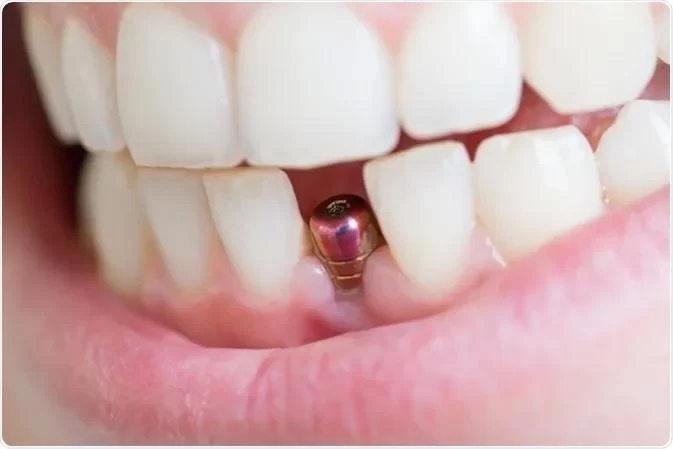
Dental implant surgery is a popular and effective solution for replacing missing or damaged teeth. It involves placing a titanium post into the jawbone, which serves as a foundation for a replacement tooth. While dental implants can restore both functionality and aesthetics, it's essential to understand that, like any surgical procedure, there are inherent risks involved. In this article, we will explore the potential risks of dental implant surgery, provide real-world examples, and offer tips on how to minimize those risks.
Potential Risks of Dental Implant Surgery
While dental implants have a high success rate, there are some potential risks that patients should be aware of. Here are a few:
1. Infection
Infection is one of the most common risks associated with any surgical procedure, including dental implants. The surgical site may become infected, leading to discomfort, swelling, and even the failure of the implant. Maintaining proper oral hygiene and following the dentist's aftercare instructions can help reduce the risk of infection.
2. Nerve Damage
In rare cases, dental implants can damage nerves in the surrounding area, causing numbness, tingling, or pain in the lips, gums, or chin. This can occur if the implant is placed too close to a nerve. However, nerve damage is generally avoidable with careful planning and skilled surgical techniques.
3. Implant Failure
In some cases, the dental implant may not properly fuse with the jawbone, a process known as osseointegration. This failure can result in the implant becoming loose or falling out. Factors such as poor bone quality, smoking, or underlying health conditions can increase the risk of implant failure.
Common Complications After Dental Implant Surgery
Even after a successful dental implant procedure, patients may experience complications during recovery. Some of the most common issues include:
1. Swelling and Bruising
It's normal to experience some swelling and bruising around the implant site following surgery. These symptoms typically subside within a few days. Ice packs and over-the-counter pain medications can help alleviate discomfort during this time.
2. Bleeding
Minor bleeding during and immediately after surgery is common. However, excessive or prolonged bleeding may indicate a problem. Patients should follow their dentist's post-surgical care guidelines to minimize bleeding and encourage proper healing.
3. Allergic Reactions
Though rare, some individuals may have allergic reactions to the materials used in dental implants, particularly the titanium posts. If you have concerns about metal allergies, be sure to discuss alternative options with your dentist.
How to Minimize Risks During Dental Implant Surgery
While there are some inherent risks with dental implant surgery, the chances of complications can be minimized with careful planning and attention to detail. Here are some tips:
- Choose an experienced dentist: Ensure your dental surgeon has experience with dental implant procedures and uses advanced technology for precise placement.
- Follow aftercare instructions: Proper care after surgery, including cleaning and avoiding certain foods, is critical to reducing risks like infection.
- Quit smoking: Smoking can hinder the healing process and increase the risk of implant failure. If possible, stop smoking before and after the surgery.
- Maintain good oral hygiene: Keeping your mouth clean is essential for the healing process and preventing infection.
Final Thoughts on Dental Implant Risks
Dental implant surgery is a highly effective and safe procedure when performed by an experienced professional. However, like any surgery, there are risks involved. By understanding these risks and taking the necessary precautions, you can improve the chances of a successful outcome. If you're considering dental implants, be sure to consult with a qualified dentist to discuss your options and address any concerns.
For more information on dental implant procedures and to find a trusted dentist, visit Dentistry Toothtruth for expert advice and resources.






 Shoal Creek Dental Care5.0 (833 review)
 Smile Clubhouse Pediatric Dentistry5.0 (641 review)
 Lake Forest Pediatric Dentistry4.0 (14 review)
 Loretto Multi-Specialty Dental Center4.0 (111 review)
 Hollevoet & Welk Orthodontics5.0 (402 review)
 Tenafly Dental Associates5.0 (837 review)
 The Importance of Oral Health Education During Pregnancy for a Healthy Pregnancy
 Best Tips for Brushing Your Teeth Properly for Healthy Gums: Essential Techniques for Oral Health
 Why Skipping Dental Checkups Can Lead to Bigger Oral Health Problems
 Advantages of Porcelain Dental Restorations
 How Can Diabetes Cause Tooth and Gum Problems? Preventing and Managing Oral Health Issues
 Healthy Habits for Promoting Good Oral Health and Hygiene: Tips for a Healthy Smile