
What Are Dental Implants and How Do They Work?
- What Are Dental Implants?
- How Do Dental Implants Work?
- Benefits of Dental Implants
- Dental Implant Procedure
- Dental Implant Cost
- Dental Implant Healing Process
What Are Dental Implants?
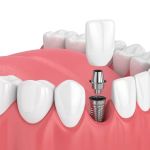
Dental implants are artificial tooth roots placed into the jawbone to support replacement teeth. They are an advanced and long-lasting solution for individuals who have lost teeth due to injury, decay, or other causes. Unlike dentures or bridges, dental implants provide a more permanent and natural-looking result, and they function just like your own teeth. The implant itself is typically made of titanium, which is known for its strength and ability to fuse with the jawbone through a process called osseointegration.
How Do Dental Implants Work?
The process of getting a dental implant involves several key steps:
1. Consultation and Planning
The first step in getting a dental implant is a consultation with your dentist. During this visit, the dentist will evaluate your oral health, take X-rays, and create a treatment plan tailored to your needs. Your jawbone must be healthy enough to support the implant, so if there’s insufficient bone density, a bone graft may be required.
2. Placement of the Implant
The next step is the surgical placement of the implant into the jawbone. The dentist will make a small incision in the gum and place the titanium post into the bone. The gum is then stitched up, and the healing process begins.
3. Healing and Osseointegration
After the implant is placed, it takes several months for the titanium post to bond with the jawbone. This process is known as osseointegration and is crucial for the stability of the implant. Once the implant has fully fused with the bone, the dentist will move on to the next step.
4. Placement of the Abutment and Crown
Once healing is complete, the dentist will attach an abutment (a small connector) to the implant. This will hold the replacement tooth, or crown, in place. The crown is custom-made to match your natural teeth and looks and functions just like your original tooth.
Benefits of Dental Implants
Dental implants offer numerous benefits, making them one of the most popular choices for tooth replacement. Some of the key benefits include:
- Natural Appearance: Implants look and feel like natural teeth, making them a perfect cosmetic solution.
- Durability: Implants are designed to last a lifetime with proper care, unlike bridges or dentures which may need to be replaced after several years.
- Improved Function: Implants function just like natural teeth, allowing you to eat, speak, and smile without worry.
- Preservation of Jawbone: Implants help maintain jawbone density, preventing bone loss that often occurs with missing teeth.
- Improved Self-Confidence: With implants, you can restore your smile and feel more confident in social and professional situations.
Dental Implant Procedure
The dental implant procedure is typically performed in multiple stages, each crucial for the success of the implant. It begins with the consultation and imaging, followed by the surgical placement of the implant, and ends with the attachment of the abutment and custom crown. The entire process may take several months, depending on the individual case and the need for additional procedures like bone grafting.
While the procedure is generally straightforward, it requires the expertise of an experienced dental surgeon to ensure the best possible outcome. A local anesthetic is typically used, and in some cases, sedation may be offered for comfort.
Dental Implant Cost
The cost of dental implants can vary significantly depending on several factors, including the number of implants needed, the complexity of the procedure, and the geographic location of the dental practice. On average, the cost for a single dental implant can range from $3,000 to $4,500, not including additional costs for the crown or any necessary preparatory procedures such as bone grafting. While dental implants may seem expensive initially, they offer long-term value because they can last a lifetime with proper care.
Many dental offices offer payment plans or financing options to help manage the cost of dental implants. It’s important to consult with your dentist to get an accurate estimate based on your specific needs.
Dental Implant Healing Process
The healing process for dental implants takes time and varies from patient to patient. Typically, it takes 3 to 6 months for the implant to fully integrate with the jawbone. During this time, it’s important to follow your dentist’s instructions for aftercare, including avoiding hard foods and maintaining proper oral hygiene.
After the implant has fused with the bone, you can expect a fully functional and stable tooth replacement. The crown placed on the implant will feel just like your natural teeth, allowing you to eat, speak, and smile confidently.
If you are considering dental implants, it’s important to consult with an experienced dental professional to determine if this is the right option for you. You can learn more about the procedure, costs, and other considerations by visiting Dentistry Toothtruth and scheduling a consultation today.






 Dentistry at 1818 Market Street4.0 (686 review)
 West Nyack Dental2.0 (85 review)
 David M. Wolf DDS, PC5.0 (298 review)
 Boardman Rebecca DDS5.0 (4 review)
 Nations Dental Studio5.0 (362 review)
 Nevada Dentistry & Braces4.0 (573 review)
 The Importance of Oral Health Education During Pregnancy for a Healthy Pregnancy
 Best Tips for Brushing Your Teeth Properly for Healthy Gums: Essential Techniques for Oral Health
 Why Skipping Dental Checkups Can Lead to Bigger Oral Health Problems
 Advantages of Porcelain Dental Restorations
 How Can Diabetes Cause Tooth and Gum Problems? Preventing and Managing Oral Health Issues
 Healthy Habits for Promoting Good Oral Health and Hygiene: Tips for a Healthy Smile