
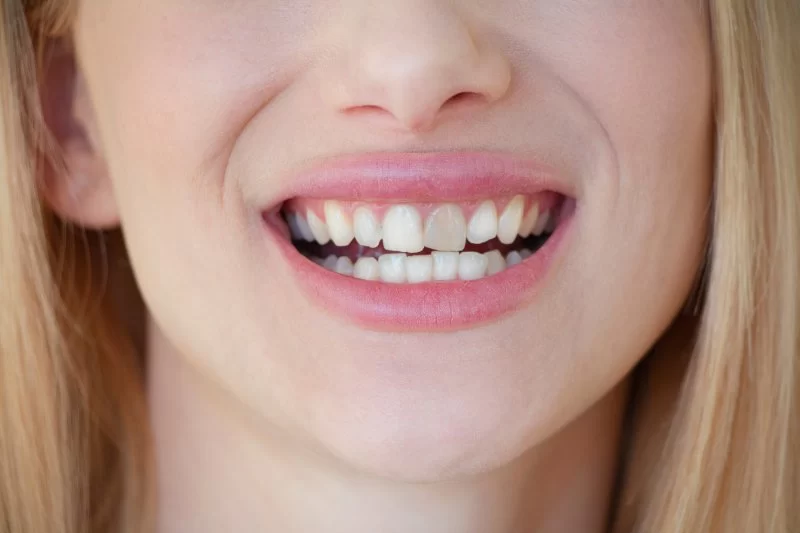
Treatment for Tooth Discoloration
- Causes of Tooth Discoloration
- Professional Whitening Solutions
- At-Home Whitening Remedies
- Prevention Tips for Tooth Discoloration
Causes of Tooth Discoloration
Tooth discoloration can occur for various reasons, and understanding the underlying causes can help you determine the best treatment. Common causes of tooth discoloration include:
- Dietary habits: Consuming dark-colored beverages like coffee, tea, and red wine, as well as foods with artificial coloring, can stain your teeth over time.
- Smoking or tobacco use: Nicotine and tar from tobacco products are notorious for staining teeth.
- Age: As we age, the enamel on our teeth naturally thins, revealing the yellowish dentin underneath.
- Medication: Certain medications, such as tetracycline antibiotics, can cause staining, particularly in children whose teeth are still developing.
- Genetics: Some people are naturally more prone to tooth discoloration due to their enamel's structure.
Identifying the cause of your tooth discoloration is the first step in selecting the most effective treatment for your smile.
Professional Whitening Solutions
If you're looking for a quick and effective way to restore the brightness of your teeth, professional whitening treatments are a great option. Here are some of the most popular professional whitening solutions:
- In-office bleaching: Performed by a dentist, this treatment uses high-concentration hydrogen peroxide to bleach the teeth. Results are visible in just one session, and your dentist may use a special light to enhance the effect.
- Take-home whitening kits: Dentists can provide custom-made whitening trays and professional-grade gel to use at home. This treatment takes longer to show results but is less expensive than in-office treatments.
- Laser whitening: Laser whitening uses a combination of laser light and hydrogen peroxide gel to quickly brighten the teeth. This is a highly effective treatment for severe discoloration.
Professional whitening treatments are ideal for individuals with significant tooth discoloration, and they can offer long-lasting results when combined with good oral hygiene.
At-Home Whitening Remedies
If you're looking for more affordable or less invasive options, several at-home remedies can help reduce tooth discoloration. While these remedies may not provide instant results like professional treatments, they can be effective with consistent use:
- Whitening toothpaste: Whitening toothpastes contain mild abrasives or chemicals that help remove surface stains from the teeth.
- Activated charcoal: Some people use activated charcoal as a natural way to whiten their teeth. Its abrasiveness helps to scrub off stains, but it's important to use it cautiously to avoid damaging enamel.
- Hydrogen peroxide: A diluted solution of hydrogen peroxide can be used as a mouth rinse to whiten teeth. It has mild bleaching properties that can help reduce surface stains.
- Baking soda: Baking soda is another mild abrasive that can help clean and whiten teeth by removing surface stains.
While at-home remedies are more affordable, they may not be as effective for severe discoloration. Regular visits to your dentist are recommended for the best results.
Prevention Tips for Tooth Discoloration
Preventing tooth discoloration is much easier than treating it. By following these simple steps, you can maintain a bright, healthy smile:
- Brush your teeth regularly: Brush your teeth at least twice a day with fluoride toothpaste to prevent plaque buildup and remove surface stains.
- Floss daily: Flossing helps remove food particles and plaque from between your teeth, preventing staining.
- Limit staining foods and drinks: Reduce your intake of coffee, tea, red wine, and other foods that can stain your teeth. If you do consume them, rinse your mouth with water afterward.
- Quit smoking: Smoking is one of the leading causes of tooth discoloration. Quitting smoking not only improves the appearance of your teeth but also benefits your overall health.
- Regular dental check-ups: Visit your dentist regularly for cleanings and exams to maintain healthy teeth and gums and catch any signs of discoloration early.
By following these simple steps, you can enjoy a whiter smile and prevent future discoloration.
Where to Buy Whitening Products
If you're interested in professional treatments or at-home remedies, Dentistry Toothtruth offers a variety of products and services to help with tooth discoloration. Whether you need a professional whitening treatment or safe, at-home whitening solutions, they can guide you toward the best options for your needs.
Explore their website for more information on whitening treatments, products, and expert advice.

 Peninsula Family Dentistry5.0 (193 review)
 Stephanie ML Wong, DMD, Inc.5.0 (1 review)
 RVA Dental Care4.0 (590 review)
 Brace Busters3.0 (2 review)
 Uncasville Dental Associates4.0 (103 review)
 Jay M. Goldberg, DDS5.0 (1 review)
 The Importance of Oral Health Education During Pregnancy for a Healthy Pregnancy
 Best Tips for Brushing Your Teeth Properly for Healthy Gums: Essential Techniques for Oral Health
 Why Skipping Dental Checkups Can Lead to Bigger Oral Health Problems
 Advantages of Porcelain Dental Restorations
 How Can Diabetes Cause Tooth and Gum Problems? Preventing and Managing Oral Health Issues
 Healthy Habits for Promoting Good Oral Health and Hygiene: Tips for a Healthy Smile