
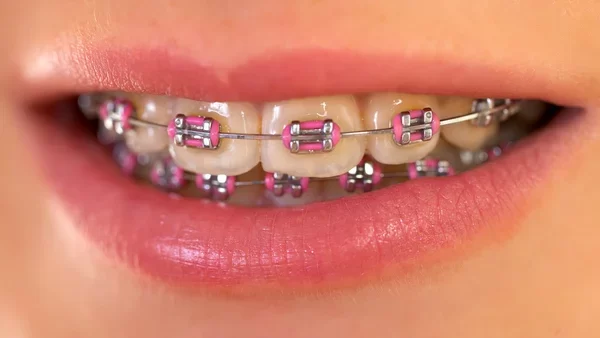
Traditional Metal Braces: The Complete Guide to Orthodontic Treatment and Benefits
- What Are Metal Braces?
- How Do Metal Braces Work?
- Benefits of Traditional Metal Braces
- Metal Braces vs Clear Braces
- Caring for Your Metal Braces
- Is Traditional Metal Braces Right for You?
- Get Started with Your Orthodontic Journey
1. What Are Metal Braces?
Traditional metal braces are one of the most common and effective orthodontic treatments used to straighten teeth and correct bite issues. They are made up of metal brackets attached to the teeth, connected by a wire that applies gradual pressure over time to move the teeth into better alignment.
2. How Do Metal Braces Work?
The process of metal braces treatment involves several key components: brackets, archwires, and ligatures. The brackets are bonded to the teeth, the archwires connect them, and ligatures (small rubber bands) hold the archwire in place. The wire slowly guides the teeth into their correct positions, a process that typically takes between 18 to 24 months, depending on the individual case.
3. Benefits of Traditional Metal Braces
Metal braces are a highly effective method of straightening teeth and are suitable for most patients. Some key benefits include:
- Effectiveness: Metal braces are effective in treating a wide range of orthodontic issues, including crooked teeth, overbites, underbites, and gaps.
- Durability: They are extremely durable and can withstand daily wear and tear, making them an excellent option for children and teenagers.
- Affordability: Compared to other orthodontic treatments like clear aligners, metal braces tend to be more affordable while delivering lasting results.
4. Metal Braces vs Clear Braces
While both traditional metal braces and clear braces serve the same purpose of teeth alignment, there are some notable differences:
- Visibility: Clear braces are less noticeable, making them a popular choice for adults who may be concerned about the aesthetic of metal braces.
- Cost: Clear braces tend to be more expensive than traditional metal braces due to their materials and design.
- Durability: Metal braces are generally more durable than clear braces, which can be more prone to staining and breakage.
5. Caring for Your Metal Braces
Taking care of your metal braces is crucial to achieving optimal results. Here are some tips:
- Brush your teeth after every meal to avoid food particles getting stuck in your braces.
- Use special orthodontic wax to cover any sharp edges that may irritate your gums.
- Avoid hard or sticky foods that could damage your braces or get stuck between the brackets.
6. Is Traditional Metal Braces Right for You?
Traditional metal braces are suitable for both children and adults. If you have significant alignment issues or bite problems, metal braces may be the best option. Consult with an orthodontist to determine if this treatment aligns with your goals and needs.
7. Get Started with Your Orthodontic Journey
If you're ready to improve your smile and address orthodontic issues, it's time to explore your options for metal braces. Visit Dentistry Toothtruth to learn more about metal braces and schedule a consultation with an experienced orthodontist to get started on your journey to a healthier, more confident smile.

 Downer Place Dental & Orthodontics4.0 (634 review)
 Brace Busters3.0 (2 review)
 Piedmont Periodontics4.0 (34 review)
 Oregon Endodontic Group5.0 (68 review)
 Oakwood Dental Arts4.0 (470 review)
 Longwood Dental Group4.0 (544 review)
 The Importance of Oral Health Education During Pregnancy for a Healthy Pregnancy
 Best Tips for Brushing Your Teeth Properly for Healthy Gums: Essential Techniques for Oral Health
 Why Skipping Dental Checkups Can Lead to Bigger Oral Health Problems
 Advantages of Porcelain Dental Restorations
 How Can Diabetes Cause Tooth and Gum Problems? Preventing and Managing Oral Health Issues
 Healthy Habits for Promoting Good Oral Health and Hygiene: Tips for a Healthy Smile