
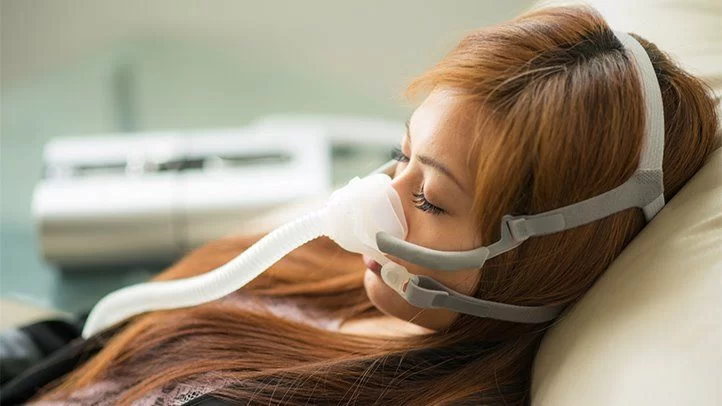
Top Non-Invasive Treatments for Sleep Apnea: Effective Solutions
- What is Sleep Apnea?
- How Non-Invasive Treatments Work
- Lifestyle Changes for Sleep Apnea
- Oral Appliances as Solutions
- Positional Therapy for Improved Sleep
- Weight Management and Its Impact
- Breathing Exercises and Relaxation
- Continuous Open Airway Therapy (COAT)
- Nasal Expanding Devices
- Using Advanced Technology
- Dietary Modifications for Better Sleep
- Understanding Natural Remedies
- Choosing the Right Treatment
- Common FAQs About Sleep Apnea
- Final Thoughts on Non-Invasive Options
1. What is Sleep Apnea?
Sleep apnea is a common sleep disorder characterized by repeated interruptions in breathing during sleep. These interruptions can last from a few seconds to a few minutes, significantly impacting sleep quality and overall health.
The primary types include obstructive sleep apnea (OSA), central sleep apnea (CSA), and complex sleep apnea syndrome. OSA is the most prevalent, often caused by airway blockage during sleep.
2. How Non-Invasive Treatments Work
Non-invasive treatments aim to manage sleep apnea symptoms without surgery or invasive procedures. These methods focus on improving airflow, enhancing breathing patterns, and reducing risk factors like obesity and lifestyle habits.
By addressing the root causes of sleep apnea, non-invasive methods help individuals achieve restful sleep and mitigate associated health risks, such as hypertension and heart disease.
3. Lifestyle Changes for Sleep Apnea
Adopting healthier habits is an essential non-invasive approach to treating sleep apnea. Key changes include:
- Maintaining a regular sleep schedule.
- Limiting alcohol and avoiding sedatives before bedtime.
- Creating a sleep-friendly environment.
These adjustments can significantly alleviate mild sleep apnea symptoms and improve sleep quality.
4. Oral Appliances as Solutions
Custom-fitted oral appliances are an effective alternative to CPAP machines. These devices reposition the jaw and tongue to keep the airway open during sleep. Common options include mandibular advancement devices (MADs) and tongue-retaining devices.
Visit professionals like Dentistry Toothtruth for expert guidance on choosing and fitting oral appliances.
5. Positional Therapy for Improved Sleep
Positional therapy involves sleeping in specific positions to prevent airway obstruction. It’s particularly effective for patients with position-dependent sleep apnea, such as those who snore only when lying on their backs.
6. Weight Management and Its Impact
Excess weight is a significant contributor to sleep apnea. Weight loss through a balanced diet and regular exercise reduces airway obstruction and lowers the severity of symptoms. Collaborating with a nutritionist or fitness coach can yield optimal results.
7. Breathing Exercises and Relaxation
Practices such as yoga and diaphragmatic breathing improve respiratory efficiency and promote relaxation. Engaging in mindfulness techniques can also reduce stress and enhance sleep quality.
8. Continuous Open Airway Therapy (COAT)
COAT uses non-invasive technology to maintain an open airway during sleep. Devices are worn nightly and provide gentle support to prevent airway collapse.
9. Nasal Expanding Devices
These devices improve nasal airflow by mechanically opening the nasal passages. Ideal for patients with mild sleep apnea or nasal congestion, they provide a simple, low-cost solution.
10. Using Advanced Technology
Innovative options like adaptive servo-ventilation (ASV) and oxygen therapy provide tailored solutions for managing complex or central sleep apnea cases.
11. Dietary Modifications for Better Sleep
Foods rich in magnesium, tryptophan, and melatonin promote relaxation and improve sleep quality. Reducing caffeine and sugar intake further enhances these effects.
12. Understanding Natural Remedies
Herbal treatments like valerian root, chamomile tea, and essential oils offer calming effects, which can indirectly alleviate sleep apnea symptoms. Consultation with a healthcare provider is recommended for safe use.
13. Choosing the Right Treatment
Individual needs vary, so consulting a sleep specialist is crucial for effective treatment. Personalized plans often combine multiple non-invasive methods for comprehensive care.
14. Common FAQs About Sleep Apnea
Q1: Are non-invasive treatments effective?
A1: Yes, many patients experience significant symptom relief through non-invasive methods.
Q2: Can I treat sleep apnea without a CPAP?
A2: Yes, alternatives like oral appliances and lifestyle changes are viable options.
... [Add more FAQs as needed]...
15. Final Thoughts on Non-Invasive Options
Non-invasive treatments for sleep apnea offer accessible, effective solutions for many patients. By exploring and combining these methods, individuals can reclaim restful sleep and improve overall health. To find the best approach for you, visit Dentistry Toothtruth today.






 7 Day Dental4.0 (134 review)
 Castle Dental & Orthodontics4.0 (249 review)
 Holbert Family Orthodontics5.0 (467 review)
 Open Door Family Medical Center- Sleepy Hollow4.0 (215 review)
 Safari Dental & Orthodontics4.0 (1362 review)
 Aspen Dental4.0 (503 review)
 The Importance of Oral Health Education During Pregnancy for a Healthy Pregnancy
 Best Tips for Brushing Your Teeth Properly for Healthy Gums: Essential Techniques for Oral Health
 Why Skipping Dental Checkups Can Lead to Bigger Oral Health Problems
 Advantages of Porcelain Dental Restorations
 How Can Diabetes Cause Tooth and Gum Problems? Preventing and Managing Oral Health Issues
 Healthy Habits for Promoting Good Oral Health and Hygiene: Tips for a Healthy Smile