
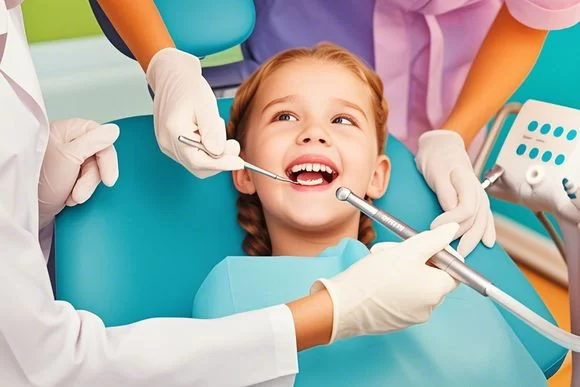
Understanding and Addressing Common Tooth Health Problems
- 1. Why Tooth Health Problems Are Common
- 2. Common Types of Tooth Health Problems
- 3. Causes of Tooth Health Problems
- 4. How to Prevent Tooth Health Problems
- 5. Real World Examples and Tips for Better Oral Health
1. Why Tooth Health Problems Are Common
Tooth health problems are unfortunately common, affecting millions of people globally. Despite advancements in dental care, factors such as poor hygiene, diet, and genetics contribute to a wide range of dental issues. Whether it’s cavities, gum disease, or tooth sensitivity, these problems can often be avoided or mitigated with proper care and preventive measures.
2. Common Types of Tooth Health Problems
There are several tooth health problems that people commonly experience. Understanding these issues can help you recognize symptoms early and seek timely treatment:
- Cavities: Cavities are one of the most common dental problems caused by tooth decay. They occur when harmful bacteria in your mouth break down sugars, leading to the demineralization of tooth enamel.
- Gum Disease: Gingivitis and periodontitis are two common stages of gum disease. Gingivitis causes inflammation of the gums, while periodontitis can lead to the loss of tooth-supporting structures.
- Tooth Sensitivity: Tooth sensitivity happens when the enamel wears away, exposing the underlying dentin, causing pain when consuming hot, cold, or sweet foods.
- Tooth Discoloration: Discolored teeth can be caused by poor dental hygiene, food and drink habits, or even aging. Whitening treatments are available to address this issue.
- Bad Breath: Bad breath, or halitosis, can result from poor oral hygiene, certain foods, or underlying health conditions. It can often be remedied with improved oral care and hydration.
3. Causes of Tooth Health Problems
Understanding the root causes of tooth health problems can help you take proactive measures. Some common causes include:
- Poor Oral Hygiene: Neglecting to brush and floss regularly allows plaque and bacteria to build up, leading to cavities, gum disease, and other issues.
- Dietary Choices: A diet high in sugar, acidic foods, and beverages can accelerate tooth decay and contribute to enamel erosion.
- Genetics: Some individuals may be genetically predisposed to certain tooth health problems, such as tooth decay or gum disease, making preventive care even more critical.
- Smoking and Alcohol Use: Smoking and excessive alcohol consumption can lead to gum disease, tooth discoloration, and other oral health issues.
- Lack of Regular Dental Checkups: Skipping regular dental visits can allow problems to go undetected and untreated, leading to more serious complications later.
4. How to Prevent Tooth Health Problems
Prevention is always better than cure. Here are some steps you can take to avoid tooth health problems:
- Brush and Floss Regularly: Brushing your teeth at least twice a day and flossing daily removes plaque and food particles, reducing the risk of cavities and gum disease.
- Limit Sugar and Acidic Foods: Reduce your consumption of sugary and acidic foods, which contribute to tooth decay and enamel erosion.
- Use Fluoride Products: Fluoride toothpaste and mouthwash can help remineralize tooth enamel and protect against decay.
- Visit Your Dentist Regularly: Regular dental checkups allow your dentist to identify and address issues before they become severe.
- Maintain a Healthy Diet: Eating a diet rich in calcium, vitamin D, and other essential nutrients helps strengthen teeth and gums.
5. Real World Examples and Tips for Better Oral Health
Real-life examples can demonstrate the importance of dental care in preventing tooth health problems:
- Mary's Gum Disease Recovery: Mary had early signs of gum disease but changed her habits by improving her diet and increasing her brushing routine. After a few months, her gums became healthier, and her dentist confirmed the reversal of the condition.
- John's Battle with Tooth Sensitivity: John experienced tooth sensitivity every time he drank cold water. After switching to a toothpaste designed for sensitive teeth and avoiding acidic foods, his discomfort significantly reduced.
These stories highlight how simple lifestyle changes can make a big difference in your oral health. By following the proper oral care routine and visiting your dentist regularly, you can prevent many common tooth health problems.
To learn more about tooth health and get personalized recommendations, visit Dentistry Toothtruth for expert advice and solutions.






 Edward Kim DMD4.0 (16 review)
 Great Expressions Dental Centers - New City4.0 (362 review)
 Premier Orthodontics4.0 (227 review)
 Smera Family Dentistry - Dr. Sunita Menon DMD4.0 (100 review)
 Dynamic Dental & Orthodontics4.0 (347 review)
 Complete Health Dentistry of Woodland Hills4.0 (335 review)
 The Importance of Oral Health Education During Pregnancy for a Healthy Pregnancy
 Best Tips for Brushing Your Teeth Properly for Healthy Gums: Essential Techniques for Oral Health
 Why Skipping Dental Checkups Can Lead to Bigger Oral Health Problems
 Advantages of Porcelain Dental Restorations
 How Can Diabetes Cause Tooth and Gum Problems? Preventing and Managing Oral Health Issues
 Healthy Habits for Promoting Good Oral Health and Hygiene: Tips for a Healthy Smile