
Tooth Extraction: What You Need to Know About the Procedure, Recovery, and Aftercare
- 1. What Is Tooth Extraction?
- 2. Reasons for Tooth Extraction
- 3. The Tooth Extraction Procedure
- 4. Tips for Recovery After Tooth Extraction
- 5. Pain Management After Tooth Extraction
- 6. When to Seek Help After a Tooth Extraction
1. What Is Tooth Extraction?
Tooth extraction is the process of removing a tooth from its socket in the bone. While it might sound intimidating, it’s a common procedure in dentistry that can address a range of dental issues, from severe decay to overcrowding. A dentist or oral surgeon typically performs tooth extractions.
2. Reasons for Tooth Extraction
There are many reasons why a tooth might need to be extracted, including:
- Severe tooth decay or damage that cannot be repaired
- Impacted wisdom teeth
- Overcrowded mouth, requiring extractions for braces
- Gum disease that affects the tooth’s stability
- Infections that don’t respond to treatment
Understanding the underlying reason for extraction helps both you and your dentist determine the best course of action for your dental health.
3. The Tooth Extraction Procedure
The tooth extraction procedure typically involves the following steps:
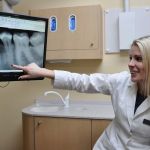
- Preparation: Before the procedure, your dentist will take X-rays to assess the position of the tooth and surrounding structures.
- Local Anesthesia: A local anesthetic will be applied to numb the area around the tooth, ensuring you don’t feel pain during the procedure.
- Extraction: The dentist will loosen the tooth using specialized instruments and remove it from the socket.
- Post-Procedure Care: After the extraction, your dentist will provide instructions for care, including how to manage pain and prevent infection.
In more complex cases, such as with impacted wisdom teeth, the procedure may take longer and require stitches. Your dentist will guide you through the process step by step.
4. Tips for Recovery After Tooth Extraction
Recovery after a tooth extraction can take anywhere from a few days to a couple of weeks, depending on the complexity of the procedure. Here are some key tips for a smooth recovery:
- Follow Aftercare Instructions: Always follow the instructions provided by your dentist to ensure a quick and uncomplicated recovery.
- Rest: Take it easy for the first 24-48 hours after the extraction to help your body heal.
- Use Ice Packs: Apply ice to the affected area to reduce swelling and discomfort.
- Eat Soft Foods: Stick to soft foods like soups, mashed potatoes, and yogurt for the first few days to avoid irritating the extraction site.
- Avoid Smoking: Smoking can hinder healing and increase the risk of complications like dry socket.
5. Pain Management After Tooth Extraction
It’s common to experience some discomfort following a tooth extraction, but with the right pain management techniques, you can minimize it. Here are a few strategies:
- Over-the-counter Pain Relievers: Medications like ibuprofen or acetaminophen can help manage mild to moderate pain.
- Prescription Pain Medications: If necessary, your dentist may prescribe stronger pain relief.
- Saltwater Rinse: After 24 hours, you can gently rinse with warm saltwater to promote healing and reduce inflammation.
Most of the pain should subside within a few days, but follow your dentist’s recommendations to prevent complications.
6. When to Seek Help After a Tooth Extraction
While most extractions heal without issue, there are certain signs that indicate you should seek further medical attention:
- Persistent bleeding that doesn’t stop after 24 hours
- Severe pain that worsens over time
- Signs of infection, such as fever or pus discharge
- Swelling that doesn’t improve after a few days
If you experience any of these symptoms, contact your dentist immediately for further evaluation and treatment.


 Dr. Bruce King DDS4.0 (112 review)
 Warm Springs Dental4.0 (35 review)
 Gover and Gover Dentistry4.0 (22 review)
 Seven Pines Dental Group Mechanicsville4.0 (100 review)
 Kendall Pointe Dental4.0 (329 review)
 Advantage Care Health Centers, Brookville, Freeport2.0 (16 review)
 The Importance of Oral Health Education During Pregnancy for a Healthy Pregnancy
 Best Tips for Brushing Your Teeth Properly for Healthy Gums: Essential Techniques for Oral Health
 Why Skipping Dental Checkups Can Lead to Bigger Oral Health Problems
 Advantages of Porcelain Dental Restorations
 How Can Diabetes Cause Tooth and Gum Problems? Preventing and Managing Oral Health Issues
 Healthy Habits for Promoting Good Oral Health and Hygiene: Tips for a Healthy Smile