
Tooth Decay in Baby Teeth: Prevention, Causes, and Treatment
- 1. Overview of Tooth Decay in Baby Teeth
- 2. The Importance of Preventing Tooth Decay in Baby Teeth
- 3. Common Causes of Tooth Decay in Baby Teeth
- 4. Recognizing the Signs and Symptoms of Tooth Decay
- 5. Treatment Options for Tooth Decay in Baby Teeth
- 6. Effective Tips for Preventing Tooth Decay in Baby Teeth
- 7. Why Choose Our Products for Your Child’s Oral Health
1. Overview of Tooth Decay in Baby Teeth
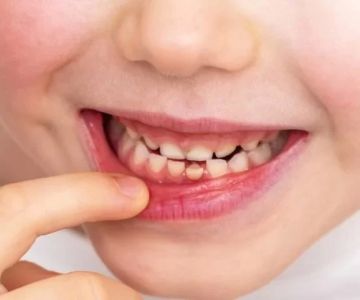
Tooth decay in baby teeth, also known as early childhood cavities, is a common yet serious issue that affects children worldwide. Baby teeth play a crucial role in a child's overall dental development. They help in chewing, speaking, and even setting the stage for adult teeth to come in correctly. However, if left untreated, tooth decay in baby teeth can lead to long-term oral health issues, including difficulty in eating and speaking.
Despite being temporary, baby teeth are just as prone to decay as permanent teeth. Understanding the causes and how to prevent tooth decay can help ensure your child’s smile remains healthy during their formative years.
2. The Importance of Preventing Tooth Decay in Baby Teeth
Preventing tooth decay in baby teeth is essential for several reasons. Not only do they play an integral role in your child’s speech and nutrition, but early dental issues can also impact the alignment of adult teeth. Cavities in baby teeth can cause discomfort and lead to infections that may affect the development of permanent teeth.
In fact, untreated tooth decay in baby teeth can sometimes result in the need for dental treatments such as fillings, crowns, or even extractions. Early intervention and prevention are vital to ensuring your child’s teeth grow healthy and strong.
3. Common Causes of Tooth Decay in Baby Teeth
Tooth decay in baby teeth can be caused by several factors, many of which are preventable. The most common causes include:
- Frequent Consumption of Sugary Foods and Drinks: Bacteria in the mouth feed on sugars, leading to the production of acid that can erode tooth enamel.
- Poor Oral Hygiene: Failure to clean a child’s teeth properly can allow plaque to accumulate, causing cavities to form.
- Nighttime Bottle Feeding: Leaving a child with a bottle of sugary liquid like milk or juice during sleep can result in “baby bottle tooth decay.”
- Dry Mouth: Reduced saliva production can lead to increased cavity formation, as saliva helps neutralize acids and wash away food particles.
4. Recognizing the Signs and Symptoms of Tooth Decay
Being able to identify the signs of tooth decay in baby teeth early on can help prevent more severe issues later. Some common symptoms include:
- Visible white spots on the teeth, indicating early enamel erosion.
- Yellow or brown stains on the teeth.
- Tooth sensitivity or discomfort when eating certain foods or drinks.
- Bad breath or a persistent bad taste in the mouth.
If any of these symptoms are observed, it's important to consult a pediatric dentist promptly. Early intervention can save your child from further complications and costly treatments.
5. Treatment Options for Tooth Decay in Baby Teeth
If tooth decay is diagnosed in a child’s baby teeth, treatment options depend on the severity of the decay. For early-stage cavities, your dentist may recommend fluoride treatments or dental sealants to help remineralize the teeth and prevent further damage.
In more severe cases, fillings or crowns may be necessary to restore the affected teeth. If a tooth becomes severely decayed and causes infection, a root canal or extraction may be required. Although baby teeth eventually fall out, preserving their health is crucial to prevent future oral health problems.
6. Effective Tips for Preventing Tooth Decay in Baby Teeth
Preventing tooth decay in baby teeth starts with good oral hygiene habits. Here are some effective tips:
- Brush your child’s teeth twice a day: Use a soft toothbrush and fluoride toothpaste, even for babies and toddlers.
- Limit sugary foods and drinks: Offer healthier snacks like fruits, vegetables, and cheese to reduce the risk of cavities.
- Encourage drinking water: Water helps wash away food particles and keeps the mouth hydrated.
- Visit the dentist regularly: Start dental checkups by your child’s first birthday to ensure their teeth are developing properly.
7. Why Choose Our Products for Your Child’s Oral Health
At Dentistry Toothtruth, we offer a range of high-quality oral care products specifically designed to protect and nurture your child’s teeth. From fluoride toothpaste to soft-bristled toothbrushes, our products support healthy dental development and help prevent tooth decay in baby teeth.
Visit Dentistry Toothtruth today and discover the best solutions for your child’s oral health. Take action now to ensure your little one enjoys a lifetime of healthy smiles.

 Sedation & Implant Dentistry4.0 (484 review)
 Dooley Dental: Edward J Dooley DMD, Dr Robert Scheddin DMD4.0 (162 review)
 Pediatric Dentistry Marlboro: Young Yi, DMD0.0 (0 review)
 Brighter Dental5.0 (13 review)
 The Smilist Dental North Babylon4.0 (632 review)
 Brilliant Endodontics4.0 (263 review)
 The Importance of Oral Health Education During Pregnancy for a Healthy Pregnancy
 Best Tips for Brushing Your Teeth Properly for Healthy Gums: Essential Techniques for Oral Health
 Why Skipping Dental Checkups Can Lead to Bigger Oral Health Problems
 Advantages of Porcelain Dental Restorations
 How Can Diabetes Cause Tooth and Gum Problems? Preventing and Managing Oral Health Issues
 Healthy Habits for Promoting Good Oral Health and Hygiene: Tips for a Healthy Smile