
Tooth Decay and Enamel Remineralization: How to Protect Your Teeth
- Understanding Tooth Decay
- What Is Enamel Remineralization?
- How Enamel Remineralization Works
- Tips to Prevent Tooth Decay
1. Understanding Tooth Decay
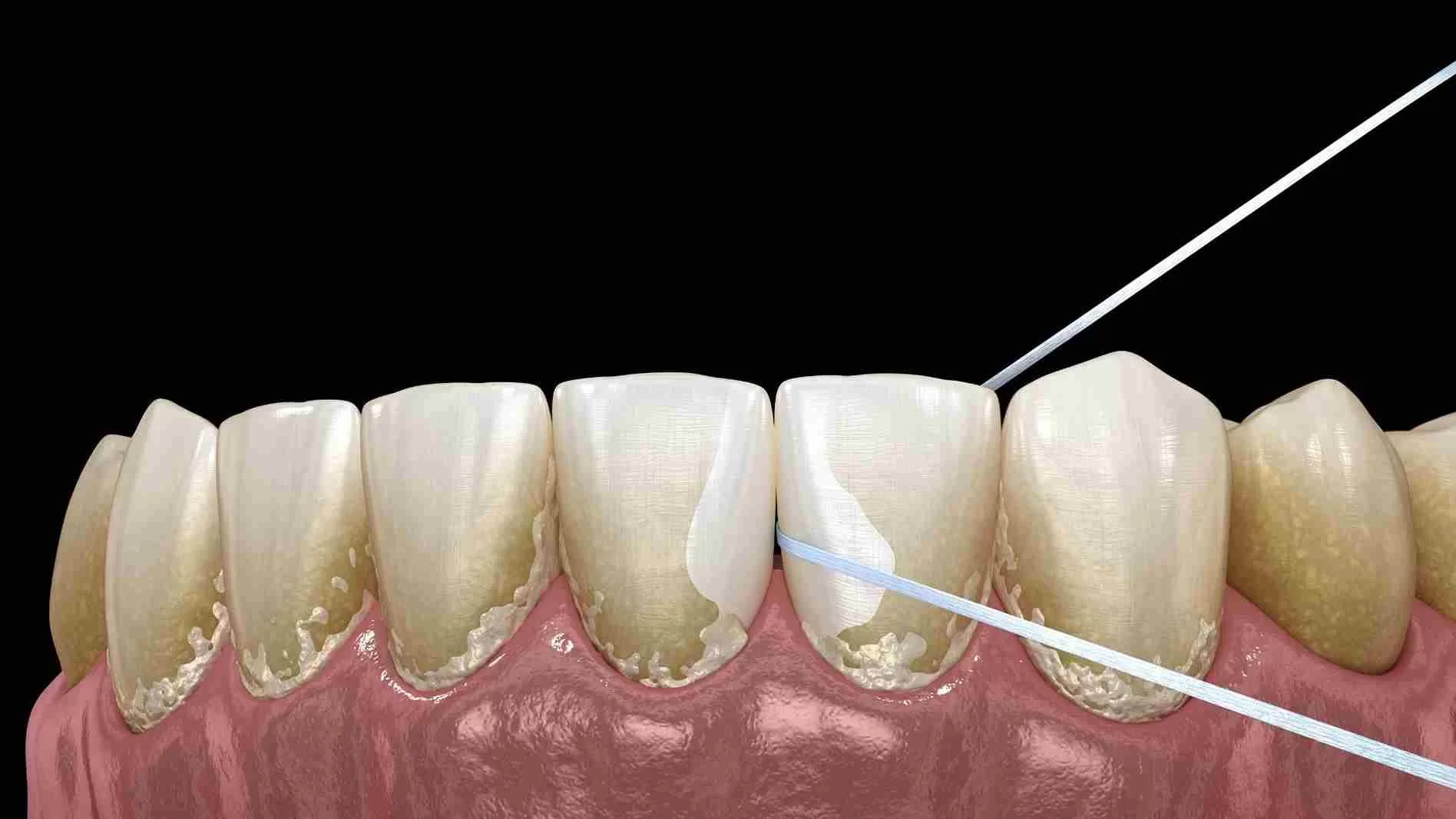
Tooth decay, also known as dental caries, is the process where the hard outer surface of the tooth, called enamel, is damaged by acids produced from the bacteria that feed on food particles left in your mouth. This leads to the breakdown of enamel, forming cavities. Over time, tooth decay can worsen, causing severe damage to the tooth and even tooth loss if left untreated.
The primary causes of tooth decay include poor oral hygiene, sugary foods and drinks, and insufficient saliva flow. These factors allow plaque—a sticky, bacteria-filled film—to build up on teeth and break down the enamel. If not cleaned off regularly, plaque hardens into tartar, further complicating the process.
2. What Is Enamel Remineralization?
Enamel remineralization refers to the natural process where minerals such as calcium and phosphate are redeposited into the enamel. This process helps to repair small damage caused by tooth decay before it progresses into a full-fledged cavity. The minerals needed for remineralization are naturally present in saliva, and they can be replenished by consuming foods rich in calcium and other minerals.
While enamel cannot regenerate once it is completely gone, remineralization can help restore its strength and prevent further decay, especially in the early stages of damage. This is why proper oral hygiene and a diet rich in minerals can have a significant impact on the health of your teeth.
3. How Enamel Remineralization Works
Enamel remineralization works by utilizing the minerals that are already present in your saliva or introduced through dietary sources, such as dairy products or fortified foods. When the enamel is exposed to acids, it begins to lose its minerals. If this mineral loss is not too severe, the saliva can replace the lost minerals, effectively "repairing" the damage.
However, the process is not instantaneous and depends on a variety of factors, including the individual's oral care routine, diet, and overall health. Fluoride is also a key component in remineralization, as it helps to attract calcium and phosphate back to the enamel, strengthening it over time. This is why fluoride treatments, whether at the dentist or in toothpaste, play an essential role in preventing further decay.
4. Tips to Prevent Tooth Decay
Preventing tooth decay is largely about maintaining good oral hygiene practices and reducing risk factors. Here are some effective tips to help protect your teeth from decay:
- Brush and Floss Regularly: Brush your teeth at least twice a day and floss once a day to remove food particles and plaque buildup.
- Use Fluoride Toothpaste: Fluoride helps remineralize enamel and prevent cavities, so always choose toothpaste with fluoride.
- Avoid Sugary Foods and Drinks: Sugary and acidic foods feed bacteria that cause plaque and cavities. Limit your intake of these foods.
- Stay Hydrated: Drinking plenty of water helps keep your mouth hydrated, aiding in the remineralization process and washing away food particles.
- Visit Your Dentist Regularly: Regular checkups allow your dentist to catch any early signs of decay and provide treatments like fluoride treatments or dental sealants.
By following these steps, you can significantly reduce your risk of tooth decay and help your teeth remineralize, keeping them strong and healthy for years to come.
If you're looking to learn more about preventing tooth decay and promoting enamel remineralization, consider visiting Dentistry Toothtruth for expert advice, product recommendations, and more. Proper care and prevention are key to maintaining a healthy, beautiful smile!






 East Greenwich Family Dental | Dentist in East Greenwich RI | DMD4.0 (182 review)
 GK Dental4.0 (175 review)
 Aspen Dental - Oklahoma City, OK4.0 (618 review)
 Dr. Kimmy4.0 (111 review)
 La Verne Dental Group4.0 (220 review)
 Dental Associates4.0 (258 review)
 The Importance of Oral Health Education During Pregnancy for a Healthy Pregnancy
 Best Tips for Brushing Your Teeth Properly for Healthy Gums: Essential Techniques for Oral Health
 Why Skipping Dental Checkups Can Lead to Bigger Oral Health Problems
 Advantages of Porcelain Dental Restorations
 How Can Diabetes Cause Tooth and Gum Problems? Preventing and Managing Oral Health Issues
 Healthy Habits for Promoting Good Oral Health and Hygiene: Tips for a Healthy Smile