
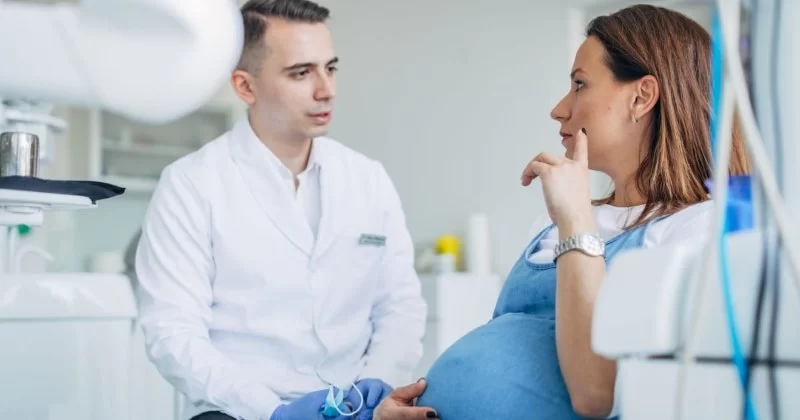
- 1. The Link Between Oral Health and Preterm Birth
- 2. How Oral Health Affects Pregnancy
- 3. Scientific Studies on Oral Health and Preterm Birth
- 4. Maintaining Oral Health During Pregnancy
- 5. Oral Hygiene Tips for Pregnant Women
1. The Link Between Oral Health and Preterm Birth
Oral health plays a vital role in overall health, and recent studies have shown that it may also be connected to preterm birth. Preterm birth, defined as childbirth before 37 weeks of pregnancy, is a significant concern for both the mother and baby. While there are many factors that contribute to premature birth, recent research has revealed that poor oral health, particularly gum disease (also known as periodontal disease), could be one of the risk factors that increase the likelihood of preterm birth.
In this article, we will explore the connection between oral health and preterm birth, look at what scientific studies reveal, and provide tips for maintaining oral hygiene during pregnancy to reduce potential risks.
2. How Oral Health Affects Pregnancy
The health of your gums and teeth can affect much more than just your smile—it can also impact your pregnancy. Periodontal disease occurs when the gums become infected, causing inflammation and bleeding. This inflammation can enter the bloodstream and affect the body’s ability to maintain a healthy pregnancy. Studies have suggested that the bacteria and toxins associated with periodontal disease could potentially trigger premature labor by causing systemic inflammation, which may lead to early contractions and the risk of preterm delivery.
In addition to gum disease, other oral health issues such as untreated cavities and infections can contribute to a weakened immune system, further complicating pregnancy. Maintaining good oral health not only benefits the health of your teeth but can also improve your chances of a healthy pregnancy.
3. Scientific Studies on Oral Health and Preterm Birth
Multiple studies have highlighted the potential link between poor oral health and an increased risk of preterm birth. For instance, a study published in the “Journal of Periodontology” found that pregnant women with gum disease were at a significantly higher risk of delivering prematurely compared to women without periodontal issues. This study, along with others, suggests that treating gum disease during pregnancy may help lower the risk of preterm birth.
Other research has indicated that the bacteria involved in gum disease, particularly *Porphyromonas gingivalis* and *Prevotella intermedia*, are often found in the amniotic fluid of women who experience preterm labor. These findings suggest that the bacteria in the mouth can travel through the bloodstream and reach the uterus, potentially contributing to early labor.
While more research is needed to establish a definitive cause-and-effect relationship, these studies underscore the importance of oral health care during pregnancy and its potential impact on preterm birth.
4. Maintaining Oral Health During Pregnancy
Maintaining oral health during pregnancy is essential for both the mother and baby. Here are some steps you can take to ensure that your oral health is at its best during pregnancy:
4.1 Regular Dental Visits
It is essential to schedule regular dental checkups while pregnant. During these visits, your dentist can examine your gums and teeth, perform a professional cleaning, and address any issues such as cavities or gum disease. Be sure to let your dentist know that you are pregnant, as they may adjust the treatment plan to ensure your safety and the safety of your baby.
4.2 Proper Brushing and Flossing
Brushing your teeth at least twice a day with fluoride toothpaste and flossing once a day is crucial for maintaining healthy gums and teeth. Flossing helps remove plaque and bacteria from areas between the teeth that a toothbrush may miss. Make sure to brush gently and avoid harsh scrubbing, which can irritate your gums.
4.3 Avoid Sugary Foods and Drinks
Diet plays a significant role in oral health. Sugary foods and drinks can promote the growth of harmful bacteria in the mouth, leading to tooth decay and gum disease. During pregnancy, it’s particularly important to maintain a balanced diet and limit sugary snacks and beverages. Instead, opt for healthy snacks like fruits, vegetables, and dairy products that promote good oral and overall health.
4.4 Stay Hydrated
Drinking plenty of water is not only important for staying hydrated but also for maintaining oral health. Water helps wash away food particles and bacteria, preventing plaque buildup. Additionally, it can help alleviate the dry mouth often experienced during pregnancy.
5. Oral Hygiene Tips for Pregnant Women
Pregnancy can bring about hormonal changes that affect the gums and teeth, making good oral hygiene even more critical. Here are some helpful tips for maintaining optimal oral health during pregnancy:
5.1 Use a Soft-Bristled Toothbrush
Hormonal changes during pregnancy can make gums more sensitive, so using a soft-bristled toothbrush can prevent irritation. Choose a toothbrush with soft bristles that won’t cause discomfort while cleaning your teeth and gums.
5.2 Address Pregnancy Gingivitis
Pregnancy gingivitis, which causes red, swollen, and bleeding gums, is a common condition due to hormonal changes. If you experience symptoms of gingivitis, it’s essential to practice good oral hygiene and visit your dentist for treatment. If left untreated, it could progress to more severe gum disease, increasing the risk of preterm birth.
5.3 Don’t Skip Dental X-Rays if Necessary
While dental X-rays are generally avoided during pregnancy, if you need an emergency dental procedure or treatment, it’s important to discuss it with your dentist. In many cases, dentists will take precautions to ensure both your safety and the safety of your baby during necessary X-rays or dental treatments.
For more guidance on oral health during pregnancy, visit Family Dentistry Online for expert advice and recommendations on maintaining optimal dental care during this crucial time.


 West Covina Dental Group and Orthodontics4.0 (274 review)
 Downer Place Dental & Orthodontics4.0 (634 review)
 Glamorous Smile Dental Spa5.0 (17 review)
 Fontana Dental Clinic4.0 (470 review)
 Sierra Family Dentistry4.0 (17 review)
 Brighter Dental4.0 (286 review)
 The Importance of Oral Health Education During Pregnancy for a Healthy Pregnancy
 Best Tips for Brushing Your Teeth Properly for Healthy Gums: Essential Techniques for Oral Health
 Why Skipping Dental Checkups Can Lead to Bigger Oral Health Problems
 Advantages of Porcelain Dental Restorations
 How Can Diabetes Cause Tooth and Gum Problems? Preventing and Managing Oral Health Issues
 Healthy Habits for Promoting Good Oral Health and Hygiene: Tips for a Healthy Smile