
The Effects of Stress on Oral Health: What You Need to Know
- 1. Understanding Stress and Oral Health
- 2. How Stress Affects Your Teeth and Gums
- 3. Common Oral Health Issues Caused by Stress
- 4. Managing Stress for Better Oral Health
- 5. Real Experiences of People Facing Stress-Related Oral Issues
- 6. Best Oral Care Products for Stress-Related Issues
1. Understanding Stress and Oral Health
Stress is a natural reaction to the demands of daily life, but its effects go far beyond just the mind. When stress is persistent, it can have a serious impact on your body, especially on your oral health. Stress can affect your eating habits, oral hygiene routines, and even the physical function of your mouth. Understanding the connection between stress and oral health is the first step to preventing and treating potential issues.
Chronic stress activates the body's fight or flight response, which can lead to a variety of oral health problems. Whether you’re dealing with temporary stress or long-term anxiety, it’s essential to recognize the signs and take action before they worsen your oral health.
2. How Stress Affects Your Teeth and Gums
Stress impacts your oral health in several ways. The most common issues include teeth grinding (bruxism), gum disease, and mouth sores. Here’s how stress can directly affect your teeth and gums:
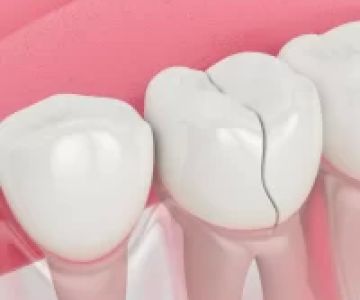
- Teeth Grinding: Stress often leads to teeth grinding, especially during sleep. The constant pressure on your teeth can wear them down, cause jaw pain, and even lead to tooth fractures over time.
- Gum Disease: High levels of stress can weaken your immune system, making it harder for your body to fight off infections. This can result in gum disease, which, if left untreated, can cause tooth loss.
- Mouth Sores: Stress can cause canker sores or cold sores in the mouth, which can be painful and uncomfortable, affecting your ability to eat and speak.
These stress-related oral health issues can significantly affect your overall well-being. It’s important to recognize these signs early and seek proper dental care to prevent long-term damage.
3. Common Oral Health Issues Caused by Stress
Several common oral health problems are directly related to stress. Below are the most frequent issues you may face due to stress:
- Bruxism (Teeth Grinding): Teeth grinding is one of the most common stress-related dental issues. The constant friction can cause tooth wear, jaw pain, and even TMJ (temporomandibular joint) disorder.
- Gum Disease: Stress weakens the immune system, which makes it more difficult for your gums to fight off bacteria, leading to conditions like gingivitis or periodontitis.
- Dry Mouth: Stress can cause dry mouth due to reduced saliva production. Saliva is essential for keeping the mouth moist and neutralizing acids, so a lack of it can lead to tooth decay and gum disease.
- Oral Infections: Chronic stress can increase the likelihood of infections in the mouth, including cold sores or fungal infections, due to the suppression of the immune system.
If left untreated, these conditions can lead to severe oral health problems, such as tooth loss or chronic gum disease. Identifying the stress-related causes early can help in prevention and treatment.
4. Managing Stress for Better Oral Health
Managing stress is essential not only for your mental well-being but also for your oral health. Here are some strategies to reduce stress and improve your oral health:
- Practice Relaxation Techniques: Activities such as yoga, meditation, and deep breathing exercises can significantly reduce stress and help prevent bruxism and other stress-related oral issues.
- Exercise Regularly: Physical activity is one of the best ways to alleviate stress. Exercise helps release tension, improve mood, and promote overall health, including oral health.
- Maintain a Healthy Diet: Eating a balanced diet rich in vitamins and minerals supports both your body and oral health. Avoiding excessive caffeine and alcohol, which can contribute to teeth grinding, is also essential.
- Get Enough Sleep: Stress often disrupts sleep patterns. Prioritizing restful sleep can help reduce stress and prevent bruxism or mouth sores caused by sleep disturbances.
By incorporating these habits into your daily routine, you can significantly reduce the impact of stress on your oral health and overall well-being.

 Dr. Joe Gordon, DDS4.0 (10 review)
 Valleywise Community Health Center - Mesa3.0 (252 review)
 iSmile Orthodontics - White Plains4.0 (1051 review)
 Ryan J Donovan DMD, MS, PA Periodontics And Dental Implants4.0 (113 review)
 Alliance Orthodontics4.0 (23 review)
 Aspen Dental - Springfield, MO4.0 (563 review)
 The Importance of Oral Health Education During Pregnancy for a Healthy Pregnancy
 Best Tips for Brushing Your Teeth Properly for Healthy Gums: Essential Techniques for Oral Health
 Why Skipping Dental Checkups Can Lead to Bigger Oral Health Problems
 Advantages of Porcelain Dental Restorations
 How Can Diabetes Cause Tooth and Gum Problems? Preventing and Managing Oral Health Issues
 Healthy Habits for Promoting Good Oral Health and Hygiene: Tips for a Healthy Smile