
The Connection Between Oral Health and Kidney Disease: How Your Teeth Affect Your Kidneys
- Understanding the Link Between Oral Health and Kidney Disease
- How Poor Oral Health Increases Kidney Disease Risk
- Oral Hygiene Tips for Healthy Kidneys
- Research and Studies on Oral Health and Kidney Function
- When to See a Dentist for Kidney Disease Prevention
Understanding the Link Between Oral Health and Kidney Disease
Many people are unaware that their oral health can directly affect the health of their kidneys. While it may seem like an unlikely connection, research has shown that poor oral hygiene can increase the risk of kidney disease. This relationship exists because bacteria from the mouth can travel into the bloodstream, leading to systemic inflammation that impacts various organs, including the kidneys.
In fact, individuals with gum disease (periodontal disease) may be more likely to develop chronic kidney disease (CKD). Inflammation from gum infections can contribute to the deterioration of kidney function over time, highlighting the importance of maintaining good oral hygiene for overall health.
How Poor Oral Health Increases Kidney Disease Risk
There are several mechanisms through which poor oral health can affect kidney function:
1. Bacterial Infection and Inflammation
When plaque and tartar build up on the teeth, bacteria begin to thrive. These bacteria can lead to gum infections and cause inflammation in the mouth. The inflammatory molecules released during this process can enter the bloodstream, contributing to inflammation in other parts of the body, including the kidneys.
2. Periodontal Disease and Kidney Function
Studies have shown a strong link between periodontal disease and kidney disease. People with severe gum disease are more likely to experience kidney dysfunction due to the ongoing inflammatory response. Over time, this can accelerate the progression of kidney disease, especially in individuals who already have underlying kidney conditions.
3. Impact on Immune System
Oral infections, such as gum disease, can weaken the immune system, making it harder for the body to fight off infections. This puts additional strain on the kidneys, which are responsible for filtering waste and toxins from the body. A weakened immune system can impair kidney function over time.
Oral Hygiene Tips for Healthy Kidneys
Maintaining a healthy mouth is one of the most effective ways to protect your kidneys. By following these simple oral hygiene tips, you can help prevent dental issues that could put your kidneys at risk:
1. Brush and Floss Regularly
Brushing your teeth twice a day and flossing once a day is essential for preventing gum disease. Be sure to use a fluoride toothpaste and a soft-bristled toothbrush to avoid damaging your gums.
2. Visit Your Dentist Regularly
Routine dental checkups are crucial for detecting early signs of gum disease or other oral health issues. Your dentist can professionally clean your teeth to remove plaque and tartar buildup and provide advice on improving your oral hygiene.
3. Avoid Tobacco Products
Tobacco use is a major contributor to gum disease and can also negatively affect kidney function. If you smoke or use tobacco products, quitting can significantly improve both your oral and kidney health.
4. Stay Hydrated
Drinking plenty of water helps keep your mouth hydrated and washes away bacteria. Saliva is essential for neutralizing acids and preventing the growth of harmful bacteria, so staying hydrated is crucial for both your oral and kidney health.
Research and Studies on Oral Health and Kidney Function
Recent studies have provided significant evidence on the connection between oral health and kidney disease. Research shows that individuals with poor oral health are more likely to develop chronic kidney disease (CKD), and those with CKD are more susceptible to oral health issues, creating a vicious cycle. One study published in the Journal of Periodontology found that people with gum disease had a significantly higher risk of kidney disease, especially those with diabetes or hypertension.
Moreover, a study conducted by the National Kidney Foundation revealed that treating periodontal disease may improve kidney function and reduce the progression of kidney disease. These findings highlight the importance of regular dental visits and good oral hygiene for people at risk for kidney disease.
When to See a Dentist for Kidney Disease Prevention
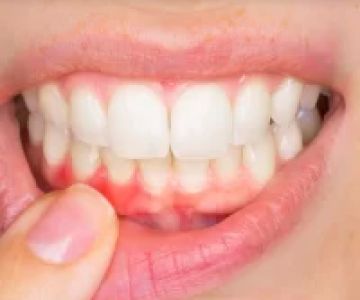
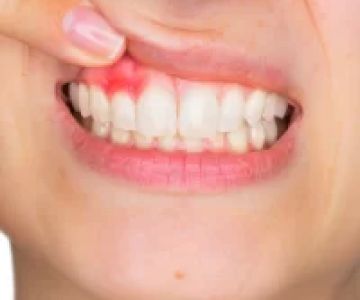
If you have a history of kidney disease or are at risk for developing it, it is crucial to take proactive steps to protect your oral health. Regular dental checkups and cleanings can help prevent gum disease and reduce the risk of kidney complications. In addition, if you experience signs of gum disease such as swollen, bleeding gums or persistent bad breath, it’s important to visit your dentist promptly to address the issue before it leads to further health problems.
By managing your oral health, you’re not just taking care of your teeth and gums—you’re also supporting the health of your kidneys. For more information on maintaining both your oral and kidney health, visit Dentistry Toothtruth for expert tips and guidance.



 ADVANCED SMILES PC4.0 (205 review)
 Cal Dental of Van Nuys4.0 (109 review)
 Dr. Dhaval Shah, DDS1.0 (1 review)
 Dentistry for Children - Cumming Midway4.0 (275 review)
 Dr. James C. Kincaid5.0 (39 review)
 Smile Dental of New Rochelle5.0 (242 review)
 The Importance of Oral Health Education During Pregnancy for a Healthy Pregnancy
 Best Tips for Brushing Your Teeth Properly for Healthy Gums: Essential Techniques for Oral Health
 Why Skipping Dental Checkups Can Lead to Bigger Oral Health Problems
 Advantages of Porcelain Dental Restorations
 How Can Diabetes Cause Tooth and Gum Problems? Preventing and Managing Oral Health Issues
 Healthy Habits for Promoting Good Oral Health and Hygiene: Tips for a Healthy Smile