
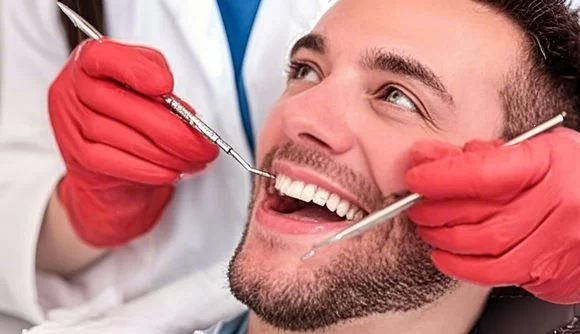
Ensuring Teeth Whitening Safety: Tips for a Bright and Healthy Smile
- 1. What is Teeth Whitening?
- 2. Different Types of Teeth Whitening Products
- 3. How to Whiten Teeth Safely
- 4. Common Safety Concerns with Teeth Whitening
- 5. Real-Life Experiences: Teeth Whitening Success Stories
1. What is Teeth Whitening?
Teeth whitening is a cosmetic dental procedure aimed at lightening the color of the teeth. It can be done professionally in a dentist’s office or at home using over-the-counter products. The process typically uses peroxide-based gels or bleaching agents to remove stains caused by foods, drinks, or tobacco use. A brighter, whiter smile is a common cosmetic goal, but ensuring the procedure is done safely is essential for long-term dental health.
2. Different Types of Teeth Whitening Products
There are various teeth whitening products available, each with different levels of effectiveness and safety. These include:
- Whitening Toothpaste: This is the most common and gentle method. Whitening toothpaste helps remove surface stains but doesn't change the natural color of your teeth.
- Whitening Strips: These are flexible strips coated with a peroxide-based gel. They are applied directly to the teeth and left for a specified period. While effective, they can cause some gum sensitivity.
- Whitening Gels and Trays: These products often contain stronger bleaching agents. Custom trays fitted by a dentist are the safest option, as they ensure proper application and minimize contact with gums.
- Professional Whitening: This method is done in a dental office under the supervision of a trained professional. It uses more potent bleaching agents and offers faster results but may cost more than at-home options.
3. How to Whiten Teeth Safely
When it comes to whitening your teeth, safety should always come first. Here are some important guidelines to ensure safe teeth whitening:
- Consult Your Dentist: Before starting any whitening treatment, it’s essential to consult with a dentist, especially if you have existing dental issues such as cavities or gum disease.
- Choose the Right Products: Stick to whitening products that have been approved by dental associations or are recommended by your dentist. Over-the-counter products may not always be safe or effective.
- Follow Instructions Carefully: Whether you are using toothpaste, strips, or a professional treatment, make sure to follow all instructions carefully to avoid overuse, which can lead to sensitivity or damage.
- Avoid Overuse: Excessive use of teeth whitening products can lead to enamel erosion or gum irritation. Space out whitening sessions to prevent overdoing it.
- Take Care of Your Teeth: Maintain good oral hygiene by brushing and flossing regularly to prevent staining and maintain the results of your whitening treatment.
4. Common Safety Concerns with Teeth Whitening
While teeth whitening is generally safe when done correctly, there are some common concerns that patients may have:
- Tooth Sensitivity: Many whitening treatments can cause temporary tooth sensitivity. If you experience discomfort, reduce the frequency of use or consult your dentist for a more suitable product.
- Gum Irritation: Whitening products that come in contact with gums can cause irritation or burning. Custom-fitted trays help minimize this risk.
- Enamel Damage: Overuse of whitening products, especially those with high concentrations of hydrogen peroxide, can weaken the enamel over time, leading to potential long-term damage.
- Unrealistic Expectations: Whitening treatments may not work for everyone, particularly if you have stains caused by antibiotics or aging. Consult your dentist to discuss realistic outcomes.
5. Real-Life Experiences: Teeth Whitening Success Stories
Many people have successfully achieved a brighter smile through teeth whitening treatments. Here are a few success stories:
- Maria's Story: Maria had struggled with yellowing teeth due to coffee consumption. After consulting with her dentist, she used custom whitening trays and saw dramatic improvement without any sensitivity.
- John's Experience: John had been hesitant about professional whitening treatments. However, after discussing his concerns with his dentist, he decided to try in-office whitening. He was thrilled with the immediate results and the absence of discomfort.
These experiences highlight the importance of working with a dental professional to achieve safe and effective teeth whitening results.
If you’re interested in learning more about teeth whitening safety or want to explore professional whitening options, visit Dentistry Toothtruth.






 Family and Cosmetic Dentistry of Randolph, Dr. Anthony Fusco & Dr. Joseph Caravano5.0 (280 review)
 Dorfman Orthodontic Group - Bensalem5.0 (199 review)
 Maplewood Dental Associates, P.A.4.0 (247 review)
 Shine Orthodontics and Pediatric Dentistry4.0 (858 review)
 Merrimack Smiles4.0 (289 review)
 West Coast Dental of Paramount3.0 (664 review)
 The Importance of Oral Health Education During Pregnancy for a Healthy Pregnancy
 Best Tips for Brushing Your Teeth Properly for Healthy Gums: Essential Techniques for Oral Health
 Why Skipping Dental Checkups Can Lead to Bigger Oral Health Problems
 Advantages of Porcelain Dental Restorations
 How Can Diabetes Cause Tooth and Gum Problems? Preventing and Managing Oral Health Issues
 Healthy Habits for Promoting Good Oral Health and Hygiene: Tips for a Healthy Smile