
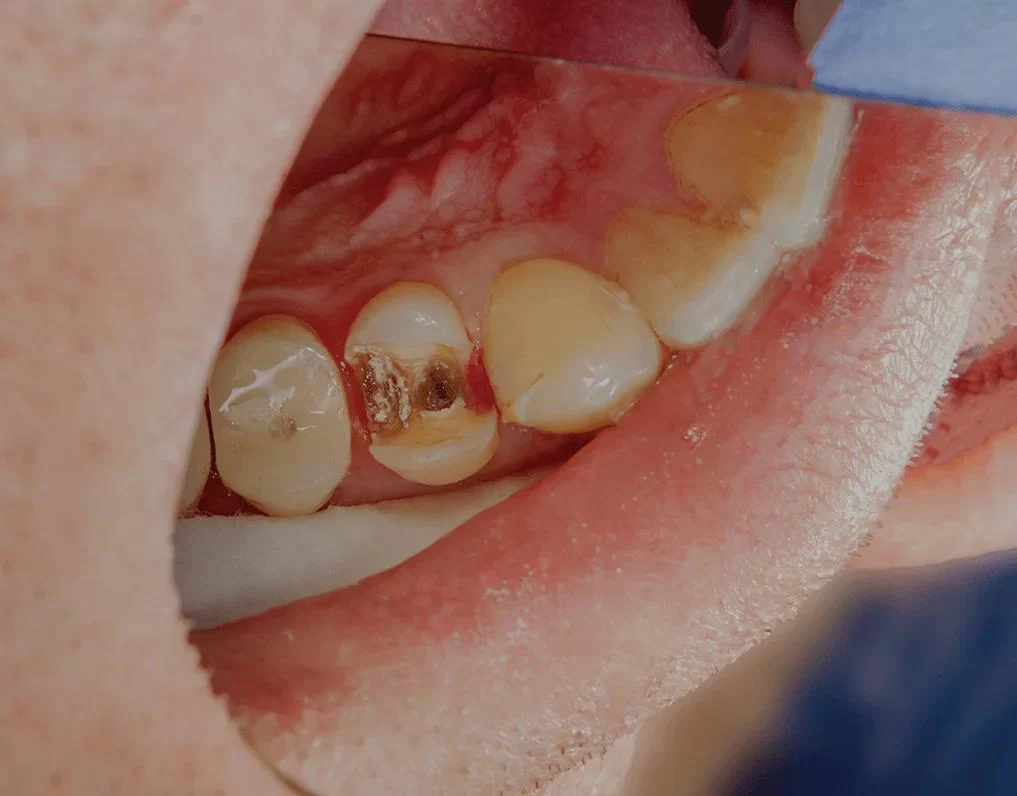
How to Stop a Cavity from Spreading: Effective Tips and Solutions
- What is a Cavity?
- How Do Cavities Spread?
- How to Prevent Cavities from Spreading
- Oral Care Tips for Cavity Prevention
- Real-Life Case: Stopping a Cavity from Spreading
- When to Seek Professional Help
What is a Cavity?
A cavity is a small hole in a tooth caused by tooth decay. Tooth decay occurs when plaque, a sticky film of bacteria, forms on your teeth and produces acids that break down tooth enamel. Over time, if not treated, cavities can spread and become larger, affecting deeper layers of the tooth and even leading to tooth loss. Understanding cavities is crucial in preventing them from spreading further.
How Do Cavities Spread?
Cavities spread in a gradual process. Initially, a small area of the tooth may start decaying due to poor oral hygiene, sugar consumption, or other factors. If left untreated, the decay can progress deeper into the tooth, damaging the enamel, the underlying dentin, and even the pulp (nerve) of the tooth. The deeper the cavity, the more expensive and complex the treatment becomes.
Once a cavity spreads, it may cause significant pain, sensitivity, and infection, which could lead to the need for more advanced treatments like root canals or even tooth extraction. Stopping a cavity from spreading is not only crucial for preserving your tooth but also for preventing more severe dental problems in the future.
How to Prevent Cavities from Spreading
There are several steps you can take to stop a cavity from spreading and prevent further damage. Early intervention is key to limiting the spread of cavities and maintaining a healthy smile:
1. Visit Your Dentist Regularly
The first step in preventing a cavity from spreading is to visit your dentist for regular checkups. Dentists can identify early signs of tooth decay before they become larger problems. They may also perform cleanings and fluoride treatments that can help protect your teeth and slow the progression of cavities.
2. Early Filling Treatment
If your dentist detects a cavity in its early stages, they may recommend a simple filling. Filling a cavity as soon as possible can prevent it from spreading deeper into the tooth and causing further damage. Early treatment can also save you from more expensive and painful procedures down the line.
3. Use Fluoride
Fluoride is a mineral that helps strengthen tooth enamel and make it more resistant to decay. Using fluoride toothpaste and drinking fluoridated water can significantly reduce the likelihood of cavities spreading. If you have existing cavities, fluoride treatments may help remineralize the enamel around the decayed area, preventing further spread.
Oral Care Tips for Cavity Prevention
Good oral hygiene is essential in stopping a cavity from spreading. The following oral care tips can help keep your teeth healthy and prevent future decay:
1. Brush and Floss Regularly
Brushing your teeth at least twice a day with fluoride toothpaste helps remove plaque and food particles that can contribute to cavities. Make sure to brush all surfaces of your teeth, including the back and along the gumline. Additionally, flossing once a day removes debris between your teeth where your toothbrush may not reach, preventing plaque buildup that can lead to cavities.
2. Reduce Sugar Intake
One of the main culprits of cavity formation is sugar. Sugary foods and drinks provide fuel for the bacteria in your mouth that produce acids, which break down tooth enamel. By reducing your sugar intake, especially between meals, you can help prevent cavities from forming and spreading.
3. Use Mouthwash
Antibacterial mouthwash can help kill bacteria in your mouth that contribute to tooth decay. Mouthwash also helps to neutralize acids and freshen your breath, providing extra protection against cavity formation and the spread of existing cavities.
Real-Life Case: Stopping a Cavity from Spreading
Consider the case of Sarah, a 28-year-old who discovered a small cavity during a routine dental checkup. Initially, Sarah thought it wasn’t a big deal, but her dentist advised immediate treatment to stop the decay from spreading further. By opting for a filling early on, Sarah was able to prevent the cavity from becoming more severe, avoiding the need for a root canal or extraction. This experience highlights the importance of catching cavities early and getting professional care before the problem escalates.
When to Seek Professional Help
If you notice signs of a cavity, such as tooth sensitivity, visible holes in your teeth, or pain when chewing, it’s important to seek professional dental care as soon as possible. Early intervention is the key to stopping a cavity from spreading and preventing long-term damage. At Dentistry Toothtruth, we offer expert dental care to diagnose and treat cavities effectively, ensuring your teeth stay healthy for years to come. Don’t wait—schedule your appointment today!






 Dr. Albert R. Arcand, DMD4.0 (22 review)
 Haddon Lake Dental Associates4.0 (21 review)
 Farzad Khalili, LD0.0 (0 review)
 Jennifer Navarro, LD0.0 (0 review)
 Aspen Dental - Council Bluffs, IA4.0 (650 review)
 Sandra L. Vargas, DMD3.0 (8 review)
 The Importance of Oral Health Education During Pregnancy for a Healthy Pregnancy
 Best Tips for Brushing Your Teeth Properly for Healthy Gums: Essential Techniques for Oral Health
 Why Skipping Dental Checkups Can Lead to Bigger Oral Health Problems
 Advantages of Porcelain Dental Restorations
 How Can Diabetes Cause Tooth and Gum Problems? Preventing and Managing Oral Health Issues
 Healthy Habits for Promoting Good Oral Health and Hygiene: Tips for a Healthy Smile