
Sleep Apnea and Dentistry for Smokers: When Is the Best Time to Get Treatment
- Understanding Sleep Apnea and Its Connection to Smoking
- How Smoking Affects Your Dental Health
- When Is the Best Time to Seek Dental Care for Sleep Apnea?
- Treatment Options for Smokers with Sleep Apnea
- Oral Appliances and Other Solutions for Sleep Apnea
1. Understanding Sleep Apnea and Its Connection to Smoking
Sleep apnea is a condition where the airways become blocked during sleep, causing breathing interruptions that can severely affect a person's health. For those who smoke, the risk of developing sleep apnea increases significantly due to the detrimental effects smoking has on the respiratory system. I’ve noticed in my own research and personal experience that smokers are more likely to suffer from sleep apnea due to the inflammation, increased mucus production, and muscle relaxation caused by smoking.
In fact, smoking contributes to the thickening of the airways and reduces oxygen intake, which can exacerbate the symptoms of sleep apnea. This is particularly concerning because untreated sleep apnea can lead to a variety of complications, including high blood pressure, heart disease, and cognitive impairment. As a result, it’s essential for smokers to seek treatment as soon as they notice symptoms like snoring, excessive daytime fatigue, and difficulty breathing during sleep.
2. How Smoking Affects Your Dental Health
Smoking doesn’t just affect the lungs—it can have a profound impact on your dental health as well. Smokers are at a higher risk of gum disease, tooth decay, and bad breath, all of which can complicate the treatment of sleep apnea. The nicotine and other chemicals found in cigarettes can impair blood flow to the gums and reduce the body’s ability to fight infections, leading to a greater risk of periodontal disease.
What’s especially concerning is that people with both sleep apnea and gum disease may experience worsened symptoms. For example, individuals with gum disease are more likely to suffer from airway inflammation, which can contribute to sleep apnea episodes. This creates a vicious cycle where poor dental health can make sleep apnea harder to manage, and sleep apnea can worsen oral health conditions. Addressing both issues simultaneously can have a significant positive effect on overall health and well-being.
3. When Is the Best Time to Seek Dental Care for Sleep Apnea?
If you're a smoker experiencing symptoms of sleep apnea, it’s crucial to seek dental care sooner rather than later. The sooner you address sleep apnea and any associated dental issues, the better your chances of preventing long-term health complications. I’ve personally found that many people ignore the early signs of sleep apnea, assuming it's just snoring or minor breathing issues. However, these symptoms can progressively worsen, so early intervention is key.
From a dental perspective, it’s important to get checked by a dentist who specializes in sleep apnea treatments. They can help identify any signs of dental issues that might be linked to your condition, such as gum disease, teeth grinding (which is common among sleep apnea sufferers), and mouth dryness. If you're a smoker, your dentist may recommend more frequent checkups and preventative treatments to keep your oral health in check while also addressing sleep apnea.
4. Treatment Options for Smokers with Sleep Apnea
When it comes to treating sleep apnea in smokers, there are a variety of options available, depending on the severity of the condition. Some of the most common treatments include:
4.1. Continuous Positive Airway Pressure (CPAP)
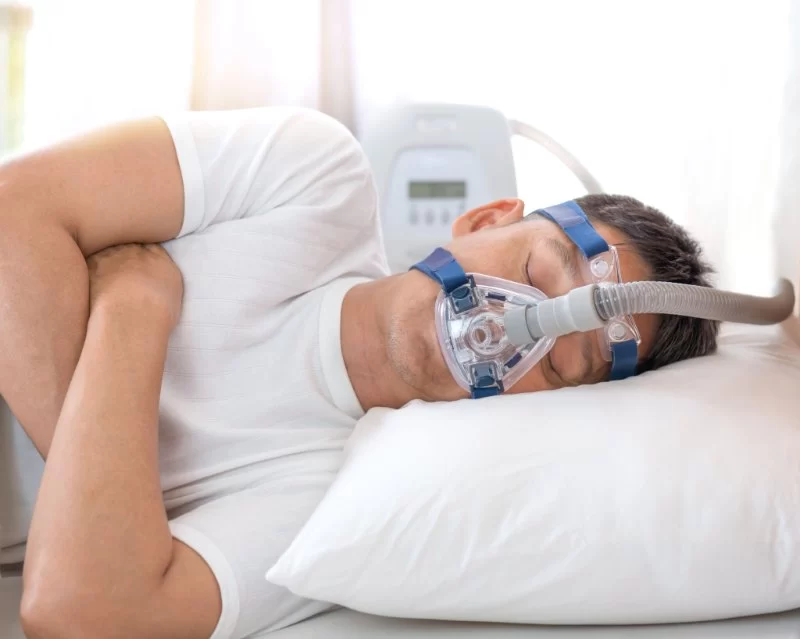
CPAP therapy is one of the most widely used treatments for sleep apnea. It involves wearing a mask connected to a machine that delivers a constant flow of air to keep your airways open while you sleep. While this treatment is highly effective, I’ve found that it can be uncomfortable for some users, especially for smokers who may already have respiratory issues. However, it’s worth considering if your sleep apnea is severe.
4.2. Oral Appliances
For smokers who may not want to use a CPAP machine, oral appliances are a great alternative. These devices are worn at night and work by repositioning the jaw to keep the airways open. I’ve seen firsthand how these devices can make a significant difference in sleep quality, especially for those who have mild to moderate sleep apnea. A dentist who specializes in sleep apnea can customize an oral appliance to fit your mouth and provide a more comfortable solution.
4.3. Lifestyle Changes
While dental treatments can significantly help with sleep apnea, lifestyle changes should also be considered. For smokers, quitting smoking is the most important change you can make. Smoking cessation improves lung function, reduces inflammation, and decreases the severity of sleep apnea. Incorporating regular exercise and maintaining a healthy weight can also improve symptoms. I always advise patients to combine medical treatments with lifestyle adjustments for the best possible results.
5. Oral Appliances and Other Solutions for Sleep Apnea
Oral appliances are often the preferred option for smokers who suffer from sleep apnea, as they provide a more comfortable and less intrusive solution compared to CPAP. I’ve personally seen how these devices can improve both sleep and overall health, especially when combined with good dental hygiene. A dentist will assess your specific needs and help you find the right oral appliance that works for your situation.
In addition to oral appliances, there are other solutions available, such as positional therapy (which involves sleeping on your side) or even surgery in extreme cases. However, these treatments should be considered only after discussing your options with a medical professional.
If you're a smoker suffering from sleep apnea, I highly recommend seeking dental care and discussing treatment options with a specialist. For the best solutions and advice, visit Family Dentistry Online, where you can find tailored recommendations and professional care for your dental and sleep apnea needs.
 Brace Busters3.0 (2 review)
 Sonrisas Dental Studio3.0 (101 review)
 Equitas Health Short North Medical Center3.0 (96 review)
 Greater Essex Dental4.0 (69 review)
 Corrie J Crowe DDS4.0 (149 review)
 CAMcare Health Corporation- Clementon4.0 (341 review)
 The Importance of Oral Health Education During Pregnancy for a Healthy Pregnancy
 Best Tips for Brushing Your Teeth Properly for Healthy Gums: Essential Techniques for Oral Health
 Why Skipping Dental Checkups Can Lead to Bigger Oral Health Problems
 Advantages of Porcelain Dental Restorations
 How Can Diabetes Cause Tooth and Gum Problems? Preventing and Managing Oral Health Issues
 Healthy Habits for Promoting Good Oral Health and Hygiene: Tips for a Healthy Smile