

Risks of Poor Oral Health in Seniors – Understanding the Impact on Overall Well-being
- Overview of Oral Health in Seniors
- Health Risks Associated with Poor Oral Health in Seniors
- Oral Health and Its Link to Other Diseases
- How Seniors Can Maintain Good Oral Health
- The Importance of Professional Dental Care for Seniors
Oral health is a crucial part of overall well-being, and this becomes even more important as people age. For seniors, maintaining good oral hygiene can help prevent a range of health problems and improve quality of life. Unfortunately, many seniors face challenges in maintaining their oral health, and poor oral hygiene can lead to significant risks. In this article, we will discuss the risks of poor oral health in seniors, explore how it impacts overall health, and offer tips on how seniors can protect their oral health.
Health Risks Associated with Poor Oral Health in Seniors
As people age, maintaining proper oral hygiene becomes increasingly important. Poor oral health in seniors can lead to several serious health issues, affecting both the mouth and the rest of the body. Here are some of the most significant health risks:
1. Gum Disease (Periodontal Disease)
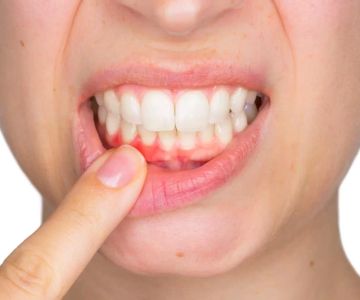
Gum disease is one of the most common dental problems in seniors. It occurs when the gums become infected, leading to inflammation, bleeding, and potential tooth loss. Gum disease has been linked to various other health problems, including heart disease and diabetes, making it essential to address it early. Seniors with gum disease may also experience more severe complications, such as tooth loss and chronic pain.
2. Tooth Decay and Cavities
Tooth decay is another prevalent issue among seniors, especially if they have had fillings or crowns for many years. As enamel wears down with age, teeth become more susceptible to cavities. Without proper treatment, these cavities can lead to infections, abscesses, or the need for tooth extractions. Tooth loss, in turn, can impact speech, eating, and overall confidence.
3. Dry Mouth (Xerostomia)
Dry mouth is common among older adults, often due to medication side effects or certain health conditions. A lack of saliva can lead to difficulty swallowing, an increased risk of tooth decay, and oral infections. This condition can also cause discomfort and make it harder for seniors to maintain proper oral hygiene.
Oral Health and Its Link to Other Diseases
Poor oral health can contribute to several serious diseases, making regular dental care even more crucial for seniors. Here’s how poor oral hygiene can affect other aspects of health:
1. Cardiovascular Disease
There is growing evidence linking poor oral health, particularly gum disease, to heart disease. Inflammation from gum disease can affect blood vessels, increasing the risk of stroke and heart attack. Seniors with gum disease may also face higher risks of developing plaque in their arteries, which can lead to cardiovascular complications.
2. Diabetes
Diabetes and oral health are closely connected. Poor oral hygiene can worsen diabetes by increasing blood sugar levels, while individuals with diabetes are also more prone to gum disease and other oral infections. Regular dental visits and good oral care can help manage blood sugar levels and reduce the risk of complications.
3. Respiratory Problems
Infections in the mouth can travel to the lungs, leading to respiratory issues like pneumonia. For seniors with weakened immune systems or pre-existing lung conditions, maintaining oral hygiene becomes essential in preventing such infections. Bacteria from gum disease or tooth decay can be inhaled, causing serious respiratory complications.
How Seniors Can Maintain Good Oral Health
Maintaining good oral health as a senior requires consistent care and attention. While it may seem challenging at times, there are several simple steps that seniors can take to protect their oral health and prevent the risks of tooth decay, gum disease, and other issues:
1. Regular Brushing and Flossing
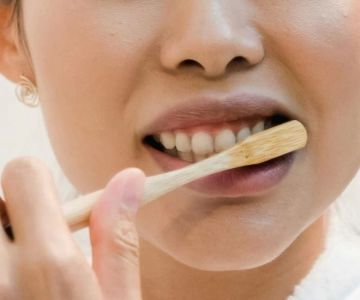
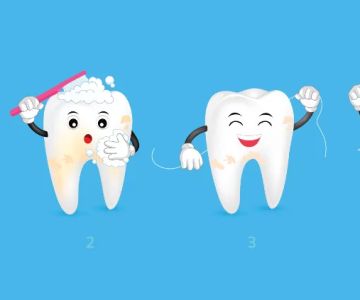
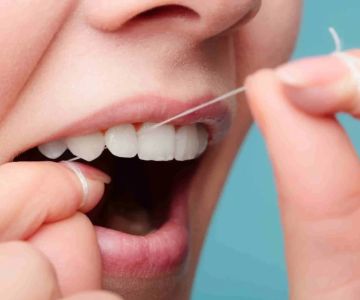
Brushing twice a day with fluoride toothpaste and flossing regularly is crucial to keeping teeth and gums healthy. Seniors should pay attention to all areas of the mouth, especially the back teeth, where plaque and food particles can build up more easily. For those with limited dexterity, electric toothbrushes or floss holders can be helpful tools.
2. Regular Dental Check-ups
Seniors should schedule regular dental check-ups, at least once every six months. These visits allow the dentist to detect early signs of gum disease, cavities, or other oral health issues. Early intervention can prevent more serious complications down the road, making dental visits a key part of maintaining overall health.
3. Staying Hydrated and Managing Dry Mouth
For seniors experiencing dry mouth, drinking plenty of water and using saliva substitutes can help. Chewing sugar-free gum or using oral moisturizers can stimulate saliva production. Additionally, seniors should avoid alcohol and tobacco, as these can exacerbate dry mouth symptoms.
The Importance of Professional Dental Care for Seniors
While daily oral care is essential, professional dental care is just as important. Seniors should seek out a dentist who specializes in geriatric dental care, as they will have a better understanding of the unique oral health challenges that come with aging. Here’s why professional care is critical:
1. Early Detection of Problems
Regular dental exams allow professionals to detect potential oral health problems early, before they become severe. Early detection of gum disease, cavities, or oral cancer can save seniors from more extensive and costly treatments in the future.
2. Tailored Care and Recommendations
A dentist can provide tailored advice on how to manage specific oral health issues, such as gum disease or dry mouth, based on the senior’s overall health and lifestyle. They can also recommend suitable dental products, like specialized toothbrushes, toothpaste, or mouthwashes designed for sensitive teeth and gums.
3. Support for Dentures or Implants
Many seniors wear dentures or have dental implants, which require special care. A professional dentist can ensure that dentures or implants fit properly and are in good condition, preventing further oral health complications. Regular dental visits also allow for adjustments and proper cleaning of dentures.


 Dr. Tania H. Saavedra, DDS5.0 (19 review)
 Philip Farzad, DDS4.0 (120 review)
 SimpliSmiles Farmingdale4.0 (386 review)
 Comfort Care Dental4.0 (1156 review)
 Dr. Tom Family & Cosmetic Dentistry4.0 (272 review)
 Capital Endodontics4.0 (1322 review)
 The Importance of Oral Health Education During Pregnancy for a Healthy Pregnancy
 Best Tips for Brushing Your Teeth Properly for Healthy Gums: Essential Techniques for Oral Health
 Why Skipping Dental Checkups Can Lead to Bigger Oral Health Problems
 Advantages of Porcelain Dental Restorations
 How Can Diabetes Cause Tooth and Gum Problems? Preventing and Managing Oral Health Issues
 Healthy Habits for Promoting Good Oral Health and Hygiene: Tips for a Healthy Smile