
Risks and Considerations in Cosmetic Dentistry: What You Need to Know
- Overview of Risks in Cosmetic Dentistry
- Potential Complications in Cosmetic Procedures
- How to Choose the Right Dentist for Cosmetic Procedures
- Alternatives to Cosmetic Dentistry and Their Risks
- Final Thoughts and Considerations
1. Overview of Risks in Cosmetic Dentistry
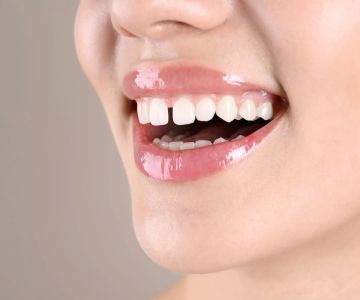
Cosmetic dentistry can offer dramatic improvements in both appearance and confidence, but like any medical procedure, it comes with its share of risks and considerations. Whether you are thinking about teeth whitening, veneers, or full smile makeovers, it’s essential to understand the potential challenges involved. Cosmetic dental procedures can sometimes lead to discomfort, long-term damage, or even unexpected results if not executed properly. It's crucial to approach cosmetic dentistry with realistic expectations and be aware of the risks involved.
2. Potential Complications in Cosmetic Procedures
While cosmetic dentistry is generally safe, several complications can arise. One of the most common risks is tooth sensitivity, which may occur after procedures like teeth whitening or veneers. Overuse or improper application of whitening agents can lead to enamel erosion, causing heightened sensitivity to temperature or certain foods.
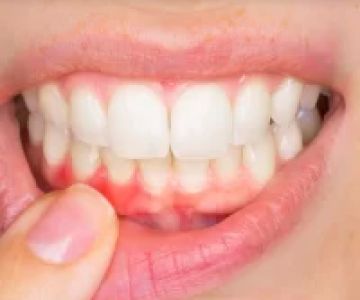
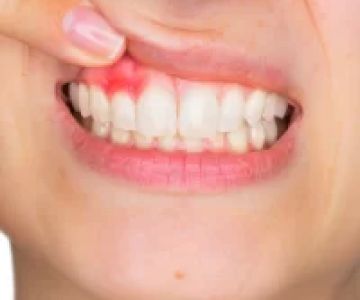
Another complication that can occur is gum irritation, particularly with procedures like crown placements or the fitting of veneers. If the crowns or veneers don't fit properly, they can irritate the gums and even cause long-term gum recession. Additionally, poorly executed dental bonding may result in chips or breaks in the bonding material, leading to aesthetic and functional concerns.
Furthermore, there is always the risk of dissatisfaction with the final results. Cosmetic procedures are highly personalized, and even slight variations in color or shape may lead to disappointment. These are important factors to discuss with your dentist to ensure that your expectations align with the possible outcomes.
3. How to Choose the Right Dentist for Cosmetic Procedures
Choosing the right cosmetic dentist is critical to minimizing the risks and achieving the desired outcome. Look for a dentist who specializes in cosmetic procedures, ideally one with extensive experience and training in the specific treatment you're considering. For example, if you're interested in porcelain veneers, ensure the dentist has a solid portfolio of successful cases with positive results.
Before committing to a procedure, always request a consultation. This will give you a chance to discuss the potential risks, costs, and benefits of the treatment, as well as to see before-and-after photos of previous patients. A trusted dentist will be upfront about the risks and work with you to tailor the procedure to your specific needs and goals. Additionally, reading reviews and checking certifications from reputable dental organizations can help you feel more confident in your choice.
4. Alternatives to Cosmetic Dentistry and Their Risks
Not all cosmetic enhancements require invasive dental procedures. There are several alternatives that can improve your smile without the risks of traditional cosmetic dentistry. For example, teeth whitening strips or professional cleanings can brighten your smile without the need for chemical treatments or veneers. However, these alternatives also come with their own set of risks, such as temporary sensitivity or uneven results if not done correctly.
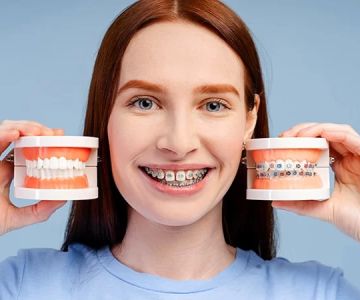
Another non-invasive option is clear aligners, which can straighten teeth without the discomfort and long-term commitment of traditional metal braces. However, these too can sometimes cause issues like discomfort, difficulty with speaking, or a longer-than-expected treatment period.
While these alternatives may not carry the same risks as traditional cosmetic procedures, they are not without their challenges. It’s essential to weigh the pros and cons of each option carefully and consult with a dental professional to determine the best approach for your specific needs.
5. Final Thoughts and Considerations
Cosmetic dentistry can offer life-changing benefits, but it's important to proceed with caution and awareness. The risks and considerations in cosmetic dentistry are real, but they can often be minimized by choosing an experienced and well-regarded dentist and by setting realistic expectations for the outcomes. Always discuss potential complications with your dentist and make sure you're fully informed about the procedure you’re about to undergo.
If you’re looking for more information on cosmetic dentistry and want to learn how you can achieve your dream smile, click here to explore more about our trusted dental services and book your consultation today.

 Blue Bell Dental Associates PC5.0 (1 review)
 WestgateRx Dentist3.0 (2 review)
 Tacoma Endodontic Studio4.0 (243 review)
 Parkway Dental Associates0.0 (0 review)
 Smile Doctors Orthodontics - Canton4.0 (181 review)
 Western Dental & Orthodontics4.0 (910 review)
 The Importance of Oral Health Education During Pregnancy for a Healthy Pregnancy
 Best Tips for Brushing Your Teeth Properly for Healthy Gums: Essential Techniques for Oral Health
 Why Skipping Dental Checkups Can Lead to Bigger Oral Health Problems
 Advantages of Porcelain Dental Restorations
 How Can Diabetes Cause Tooth and Gum Problems? Preventing and Managing Oral Health Issues
 Healthy Habits for Promoting Good Oral Health and Hygiene: Tips for a Healthy Smile