
Reversing Early Stages of Tooth Decay: Effective Tips and Treatments
- Understanding Tooth Decay
- Causes of Tooth Decay
- Early Signs of Tooth Decay
- Treatment Options for Early Tooth Decay
- Preventing Future Tooth Decay
- When to Visit the Dentist
Understanding Tooth Decay
Tooth decay is a common dental issue that affects many people. It occurs when the enamel on your teeth breaks down due to the acids produced by bacteria that feed on sugars in your mouth. If untreated, tooth decay can lead to cavities, pain, and even tooth loss. However, if caught early, the damage can often be reversed with the right treatment and lifestyle changes.
Causes of Tooth Decay
Tooth decay is caused by a combination of factors. The primary cause is poor oral hygiene, which allows plaque to form on teeth and produce acids that damage the enamel. Other contributing factors include:
- Diet high in sugar: Consuming sugary foods and drinks feeds bacteria in your mouth, promoting tooth decay.
- Dry mouth: A lack of saliva can increase the risk of decay, as saliva helps neutralize acids in the mouth.
- Weak enamel: Some people are more prone to decay due to weaker tooth enamel, which can be genetic.
- Brushing habits: Inadequate brushing or brushing with the wrong technique can leave plaque on teeth.
Early Signs of Tooth Decay
Recognizing the early signs of tooth decay is essential for reversing the damage before it progresses into cavities. Common early symptoms include:
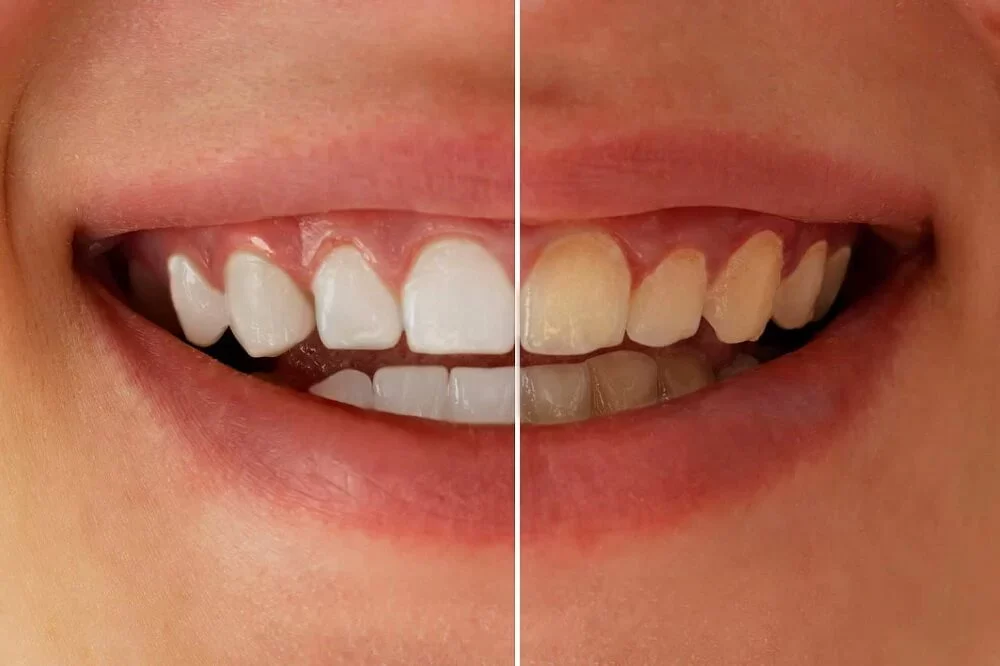
- White spots on teeth: This is the first sign of enamel demineralization and can be reversed with proper care.
- Sensitivity to hot or cold: Increased sensitivity in the teeth, especially when consuming hot or cold foods, may indicate early decay.
- Minor tooth discomfort: Some people experience mild discomfort or pain in a tooth without a clear cause.
If you notice these signs, it’s important to take action immediately to prevent further damage.
Treatment Options for Early Tooth Decay
There are several treatments available for reversing early stages of tooth decay. These include:
- Fluoride treatments: Fluoride can help remineralize the enamel and reverse early damage. It is often applied topically or through toothpaste.
- Calcium phosphate products: These products help replenish the minerals in your enamel and prevent further decay.
- Dental sealants: Sealants are thin plastic coatings applied to the chewing surfaces of teeth, protecting them from decay.
- Dietary changes: Reducing sugar intake and eating a balanced diet rich in vitamins and minerals can help support enamel health.
Preventing Future Tooth Decay
Once you’ve reversed the early stages of tooth decay, it’s important to take steps to prevent it from happening again. Here are some helpful prevention tips:
- Brush regularly: Brush your teeth at least twice a day with fluoride toothpaste to remove plaque and prevent decay.
- Floss daily: Flossing removes food particles and plaque from between teeth where your toothbrush can't reach.
- Drink plenty of water: Drinking water helps rinse away food particles and acids that can contribute to decay.
- Regular dental visits: Regular checkups with your dentist will help identify any early signs of decay and allow for preventive treatment.
When to Visit the Dentist
If you suspect that you or your child has early-stage tooth decay, it’s essential to schedule a dental visit as soon as possible. Early intervention is key to reversing the damage and preventing further complications. Your dentist can assess the condition of your teeth and recommend the best course of action to restore your dental health.
To learn more about reversing early tooth decay and preventing future damage, visit Dentistry Toothtruth for expert advice and personalized dental care.






 Longwood Dental Group4.0 (544 review)
 Nanuet Family Dentistry: Dr. Srinivasa5.0 (2 review)
 Milford Smiles4.0 (547 review)
 Community Health Centers4.0 (206 review)
 Union Square Endodontics4.0 (302 review)
 Drs. Rosen & Dworkin, PA - Family and Cosmetic Dentistry4.0 (1597 review)
 The Importance of Oral Health Education During Pregnancy for a Healthy Pregnancy
 Best Tips for Brushing Your Teeth Properly for Healthy Gums: Essential Techniques for Oral Health
 Why Skipping Dental Checkups Can Lead to Bigger Oral Health Problems
 Advantages of Porcelain Dental Restorations
 How Can Diabetes Cause Tooth and Gum Problems? Preventing and Managing Oral Health Issues
 Healthy Habits for Promoting Good Oral Health and Hygiene: Tips for a Healthy Smile