
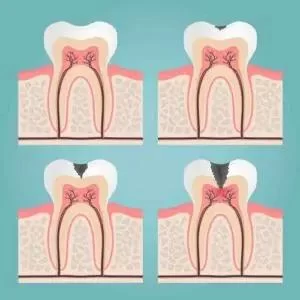
What is Pulpitis and How to Treat It
- 1. What is Pulpitis?
- 2. What Causes Pulpitis?
- 3. Symptoms of Pulpitis
- 4. How to Treat Pulpitis
- 5. Preventing Pulpitis
- 6. Real-Life Case: Overcoming Pulpitis
1. What is Pulpitis?
Pulpitis is an inflammation or infection of the dental pulp—the soft tissue inside your teeth that contains nerves and blood vessels. It occurs when bacteria invade the pulp, often due to deep cavities, trauma, or cracks in the teeth. The infection can lead to severe pain and discomfort, and if left untreated, it can result in more serious dental problems such as abscesses or tooth loss.
Understanding pulpitis is crucial because it’s one of the leading causes of toothaches, and it can often be managed successfully if caught early. There are two main types of pulpitis: reversible and irreversible.
2. What Causes Pulpitis?
Pulpitis is primarily caused by bacterial infections that enter the tooth. This can happen due to:
- Untreated cavities: As cavities grow deeper into the tooth, they can reach the pulp and cause inflammation.
- Trauma or injury: A blow to the tooth can crack it, allowing bacteria to enter the pulp.
- Repeated dental procedures: Multiple fillings or other dental treatments can irritate the pulp and lead to inflammation.
- Tooth decay: The progression of decay that penetrates the tooth can infect the pulp, triggering pulpitis.
It’s important to recognize the early signs of pulpitis to prevent the condition from worsening and requiring more invasive treatments like root canals or even tooth extraction.
3. Symptoms of Pulpitis
The symptoms of pulpitis vary depending on the severity of the infection. Common symptoms include:
- Severe toothache: This pain may be constant or triggered by chewing, biting, or touch.
- Sensitivity to hot or cold: A tooth with pulpitis may become hypersensitive to temperature, especially to hot drinks or food.
- Swelling or redness: You might notice swelling or redness around the affected tooth, indicating inflammation.
- Darkened tooth: The affected tooth may appear darker or discolored due to the infection.
- Pus or foul taste: If an abscess forms, you may experience a bad taste in your mouth or pus draining from the tooth.
If you notice any of these symptoms, it’s essential to visit a dentist as soon as possible to determine the extent of the infection and explore treatment options.
4. How to Treat Pulpitis
Depending on the severity of pulpitis, treatment can vary. Here are the primary options for treating pulpitis:
- Reversible Pulpitis Treatment: If the pulpitis is reversible, the dentist may remove the decayed part of the tooth and place a filling to seal it. In many cases, this restores the tooth to full function without the need for further intervention.
- Irreversible Pulpitis Treatment: In cases where the pulp is severely damaged or infected, a root canal may be necessary to remove the infected tissue and save the tooth. Afterward, the tooth is typically sealed and covered with a crown.
- Tooth Extraction: In some severe cases where the infection cannot be controlled or the tooth is beyond saving, extraction may be the only option. A dental implant or bridge can then be placed to restore function.
It's important to address pulpitis early to avoid extensive treatments. The sooner you seek treatment, the more likely you can preserve your natural tooth and avoid more invasive procedures.
5. Preventing Pulpitis
Preventing pulpitis starts with good oral hygiene and regular dental check-ups. Here are some steps you can take to minimize your risk:
- Brush and floss regularly: Brush your teeth at least twice a day and floss daily to remove plaque and prevent cavities.
- Get regular dental check-ups: Regular visits to your dentist will help identify early signs of decay or damage, allowing for early intervention.
- Avoid sugary foods and drinks: Reducing your intake of sugary foods can help prevent cavities and reduce the risk of pulpitis.
- Wear a mouthguard: If you play contact sports or grind your teeth at night, a mouthguard can protect your teeth from trauma.
By practicing good dental care, you can significantly reduce the risk of pulpitis and other dental issues that can lead to tooth damage or loss.
6. Real-Life Case: Overcoming Pulpitis
Take the case of Sarah, a 32-year-old who started experiencing sharp pain in her lower molar. After months of ignoring the discomfort, the pain became unbearable. Sarah visited her dentist, who diagnosed her with pulpitis caused by an untreated cavity.
After discussing her treatment options, Sarah opted for a root canal, which was successful in removing the infection and saving her tooth. Following the procedure, she had a crown placed on the tooth to restore its functionality. Today, Sarah has no pain, and her tooth is fully restored.
If you’re dealing with pulpitis, don’t delay seeking treatment. With the right care, you can avoid tooth loss and preserve your natural smile. For more information on how to treat pulpitis or find a specialist near you, visit Dentistry Toothtruth.




 The Orthodontists at Council Bluffs0.0 (0 review)
 Champlin Family Dental4.0 (613 review)
 Greenberg Dental & Orthodontics4.0 (1278 review)
 Midwestern University Dental Institute3.0 (101 review)
 Dr. Bruce King DDS4.0 (112 review)
 Gayton Dental Arts5.0 (8 review)
 The Importance of Oral Health Education During Pregnancy for a Healthy Pregnancy
 Best Tips for Brushing Your Teeth Properly for Healthy Gums: Essential Techniques for Oral Health
 Why Skipping Dental Checkups Can Lead to Bigger Oral Health Problems
 Advantages of Porcelain Dental Restorations
 How Can Diabetes Cause Tooth and Gum Problems? Preventing and Managing Oral Health Issues
 Healthy Habits for Promoting Good Oral Health and Hygiene: Tips for a Healthy Smile