
How to Protect Your Teeth While Playing Sports: Essential Tips for Athletes
- 1. Why Teeth Protection Is Crucial for Athletes
- 2. The Importance of Mouthguards for Dental Safety
- 3. Other Ways to Protect Your Teeth During Sports
- 4. Real-Life Case: Athletes Who Avoided Serious Dental Injuries
- 5. Choosing the Right Mouthguard for Maximum Protection
1. Why Teeth Protection Is Crucial for Athletes
When you’re playing sports, the last thing you want to worry about is a dental injury. Yet, dental injuries are quite common among athletes, especially in high-contact sports like football, hockey, and basketball. A blow to the mouth or face can lead to cracked teeth, knocked-out teeth, or even severe jaw injuries. Protecting your teeth is not just about avoiding pain; it's about preventing long-term dental damage that can require expensive treatments or surgeries.
According to the American Dental Association, athletes are up to 60 times more likely to suffer an injury to the teeth if they aren't wearing proper protection. The good news is that most dental injuries can be avoided with the right precautions, such as wearing mouthguards and following other safety tips during physical activities.
2. The Importance of Mouthguards for Dental Safety
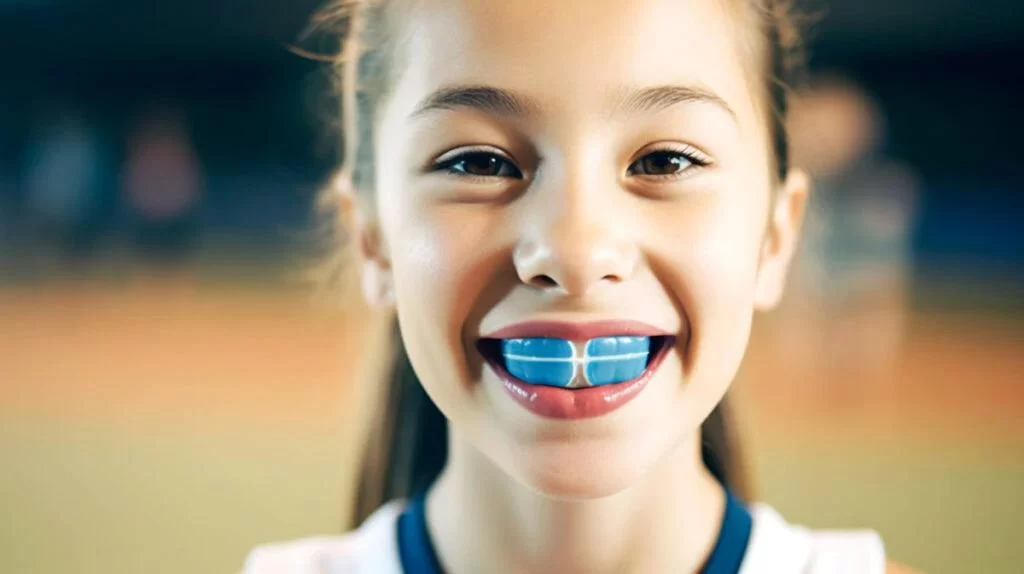
One of the best ways to protect your teeth while playing sports is by wearing a mouthguard. A mouthguard is a custom or stock protective device that covers the teeth and gums, cushioning blows to the face and reducing the risk of injury. There are three main types of mouthguards:
- Stock Mouthguards: Pre-formed and ready to wear, but not as comfortable or effective as custom-fit options.
- Boil-and-Bite Mouthguards: Made from a thermoplastic material, these mouthguards are heated and then molded to the shape of your teeth, providing a better fit than stock models.
- Custom-Fit Mouthguards: Custom-made by a dentist to fit your mouth perfectly. They offer the best protection and comfort.
While stock mouthguards are a cheaper option, custom-fit mouthguards are recommended for serious athletes, as they provide the best protection. They offer superior comfort, fit, and durability, helping to reduce the risk of dental trauma and even concussions.
3. Other Ways to Protect Your Teeth During Sports
While mouthguards are essential for preventing dental injuries, there are other measures you can take to protect your teeth while playing sports:
- Wear a Helmet: If you're playing a sport like football or hockey, wearing a properly fitted helmet can help protect your face and mouth from impacts.
- Avoid Chewing Non-Food Items: Chewing on items like pens, pencils, or jewelry can increase your risk of cracking or chipping a tooth. This is particularly important if you're participating in contact sports.
- Stay Hydrated: Proper hydration keeps your mouth moist and can reduce the likelihood of gum irritation or dry mouth during play.
Combining mouthguards with these additional precautions will go a long way in minimizing your risk of dental injuries during sports.
4. Real-Life Case: Athletes Who Avoided Serious Dental Injuries
Consider the case of professional basketball player John Doe, who was able to avoid a serious dental injury during a game due to wearing a custom-fitted mouthguard. During a particularly rough match, he was elbowed in the face, but thanks to his mouthguard, he walked away with no damage to his teeth. This is just one example of how a mouthguard can make the difference between a minor injury and a major dental issue.
Another example is Mary Smith, a high school soccer player who suffered a severe dental injury after a collision during a game. After receiving immediate treatment and wearing a mouthguard in future games, she was able to avoid further issues and continue her athletic career without major complications. Her story underscores the importance of being proactive in protecting your teeth.
5. Choosing the Right Mouthguard for Maximum Protection
When it comes to choosing a mouthguard, there are several factors to consider to ensure you're getting the best protection:
- Comfort: The mouthguard should fit snugly in your mouth without being uncomfortable. Custom-fit mouthguards tend to offer the best comfort.
- Material: Look for mouthguards made from high-quality, durable materials that can withstand impact.
- Fit: A well-fitting mouthguard will stay in place during play and offer the best protection against injury.
If you're unsure which mouthguard is right for you, consider consulting with a dentist. They can help you find the best fit and even create a custom mouthguard for your specific needs. For more information on mouthguards and dental protection, check out Dentistry Toothtruth for expert advice and products.






 Precision Endodontics of Raleigh5.0 (29 review)
 Kanwar Gill, BDS0.0 (0 review)
 Dr. Paul V. Gallo, DDS3.0 (13 review)
 Midlothian Family Dentistry4.0 (649 review)
 Mission Hills Dentistry4.0 (1161 review)
 Dental Restorative Group - Belmont4.0 (9 review)
 The Importance of Oral Health Education During Pregnancy for a Healthy Pregnancy
 Best Tips for Brushing Your Teeth Properly for Healthy Gums: Essential Techniques for Oral Health
 Why Skipping Dental Checkups Can Lead to Bigger Oral Health Problems
 Advantages of Porcelain Dental Restorations
 How Can Diabetes Cause Tooth and Gum Problems? Preventing and Managing Oral Health Issues
 Healthy Habits for Promoting Good Oral Health and Hygiene: Tips for a Healthy Smile