
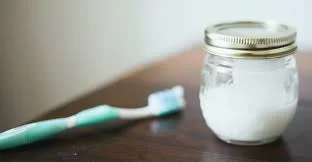
How to Make Your Own Natural Toothpaste: A Simple Guide for Homemade Oral Care
- 1. What is Natural Toothpaste?
- 2. Benefits of Natural Toothpaste
- 3. How to Make Your Own Natural Toothpaste
- 4. Natural Toothpaste Recipes
- 5. Tips for Making Homemade Toothpaste
- 6. Common Ingredients in Natural Toothpaste
1. What is Natural Toothpaste?
Natural toothpaste is a more eco-friendly and chemical-free alternative to traditional store-bought toothpaste. It typically contains ingredients found in nature, such as baking soda, coconut oil, and essential oils. These ingredients are combined to help clean your teeth, freshen your breath, and promote healthy gums without the use of synthetic chemicals, preservatives, or artificial flavors.
2. Benefits of Natural Toothpaste
There are numerous reasons why people choose to switch to natural toothpaste, including:
- Fewer Chemicals: Many conventional toothpaste brands contain chemicals like fluoride, SLS (Sodium Lauryl Sulfate), and parabens, which some people prefer to avoid.
- Environmental Impact: Homemade natural toothpaste often comes in reusable containers, reducing plastic waste that is common with mass-produced toothpaste.
- Personalization: By making your own toothpaste, you can tailor the ingredients to your preferences and avoid any allergens or irritants.
- Cost-Effective: Making your own natural toothpaste is often cheaper than purchasing branded natural toothpaste products.
3. How to Make Your Own Natural Toothpaste
Making your own natural toothpaste is surprisingly easy and requires just a few simple ingredients. Here’s a step-by-step guide to get started:
- Gather Ingredients: Choose natural ingredients that are effective for cleaning your teeth and promoting oral health. Common ingredients include baking soda, coconut oil, peppermint oil, and calcium carbonate.
- Mix the Base: Combine about 2 tablespoons of coconut oil with 1 tablespoon of baking soda in a bowl. Stir until the mixture forms a paste-like consistency.
- Add Flavor: Add 5-10 drops of peppermint essential oil for a refreshing taste and natural antibacterial properties.
- Adjust Consistency: If the paste is too thick, add a few drops of water to achieve the desired consistency. For a thicker paste, add more baking soda or calcium carbonate.
- Store Properly: Transfer your homemade toothpaste into a small glass jar or airtight container. Make sure it’s sealed to prevent it from drying out.
4. Natural Toothpaste Recipes
Here are a few variations on the basic homemade toothpaste recipe:
- Coconut Oil & Baking Soda Toothpaste: Combine 2 tablespoons of coconut oil with 1 tablespoon of baking soda. Add 5 drops of peppermint essential oil for flavor.
- Charcoal Toothpaste: For a natural whitening effect, add 1/2 teaspoon of activated charcoal powder to the base mixture. This will help to absorb toxins and remove stains from your teeth.
- Herbal Toothpaste: For an extra boost of freshness, add a few drops of tea tree oil or clove oil, both known for their antibacterial properties.
5. Tips for Making Homemade Toothpaste
To make sure your homemade toothpaste works well and lasts long, keep these tips in mind:
- Use a Clean Spoon: Always use a clean spoon to scoop your toothpaste out of the container to prevent contamination.
- Experiment with Consistency: Adjust the amount of coconut oil and baking soda to find the perfect texture for your preference.
- Store in a Cool Place: Keep your homemade toothpaste in a cool, dry place to prevent it from melting or hardening.
6. Common Ingredients in Natural Toothpaste
Here are some of the most common ingredients found in natural toothpaste recipes and their benefits:
- Baking Soda: Known for its mild abrasiveness, baking soda helps to gently scrub teeth and remove surface stains.
- Coconut Oil: Coconut oil has natural antibacterial properties that help to fight plaque and promote gum health.
- Peppermint Essential Oil: This oil adds a fresh flavor to your toothpaste while also providing antibacterial and antimicrobial properties.
- Calcium Carbonate: This natural mineral helps to whiten teeth and remove plaque buildup.
- Activated Charcoal: Used for its natural whitening properties, activated charcoal helps to absorb toxins and remove stains from teeth.






 Pinnacle Dental Group - Plainfield, IL (Implant, Cosmetic, and General Dentistry)4.0 (264 review)
 Aspire Surgical | Taylorsville4.0 (333 review)
 Dr. Shaifali Rametra, DDS / MS / MBA / MOLAR TO MOLAR DENTISTRY3.0 (26 review)
 Greencastle Dental4.0 (653 review)
 Miracle Dental Center4.0 (190 review)
 Hanover Dental4.0 (337 review)
 The Importance of Oral Health Education During Pregnancy for a Healthy Pregnancy
 Best Tips for Brushing Your Teeth Properly for Healthy Gums: Essential Techniques for Oral Health
 Why Skipping Dental Checkups Can Lead to Bigger Oral Health Problems
 Advantages of Porcelain Dental Restorations
 How Can Diabetes Cause Tooth and Gum Problems? Preventing and Managing Oral Health Issues
 Healthy Habits for Promoting Good Oral Health and Hygiene: Tips for a Healthy Smile