
- 1-Most-Patients-Dont-Realize-The-Complete-Guide-to-Tooth-Pain-Relief-for-Daily-Life
- 2-Common-Causes-of-Tooth-Pain-Many-People-Overlook
- 3-Effective-Home-Methods-for-Temporary-Tooth-Pain-Relief
- 4-When-Tooth-Pain-Means-You-Should-See-a-Dentist
- 5-A-Real-Life-Story-About-Ignoring-Tooth-Pain
- 6-Preventing-Tooth-Pain-Before-It-Starts
1. Most Patients Don’t Realize The Complete Guide to Tooth Pain Relief for Daily Life
Tooth pain is one of the most uncomfortable sensations a person can experience. It can start as a mild sensitivity when drinking something cold and slowly turn into a throbbing ache that makes it difficult to concentrate, sleep, or even eat normally. What many people don’t realize is that tooth pain often develops gradually, and understanding Most Patients Don’t Realize The Complete Guide to Tooth Pain Relief for everyday situations can help prevent small problems from becoming serious dental emergencies.
Many patients assume tooth pain only appears when a cavity becomes severe. However, dental discomfort can be caused by several factors such as gum inflammation, enamel erosion, small cracks in teeth, or even sinus pressure. Learning how to recognize these signals early allows patients to take steps that reduce pain and protect their oral health.
2. Common Causes of Tooth Pain Many People Overlook
Understanding the root cause of tooth pain is the first step toward effective relief. Many dental issues begin quietly before symptoms become noticeable.
2.1 Tooth Decay and Cavities
One of the most frequent causes of tooth pain is tooth decay. When bacteria break down sugars from food, acids begin to weaken the enamel. Over time, small holes develop in the tooth structure.
If untreated, these cavities can reach deeper layers of the tooth where nerves are located, causing significant pain.
2.2 Gum Inflammation
Another often overlooked cause of discomfort is gum inflammation. Swollen or infected gums may cause pressure around teeth, making them feel sore or sensitive.
Early gum disease, known as gingivitis, can sometimes cause mild discomfort that people mistakenly ignore.
2.3 Tooth Sensitivity
Many people experience sudden tooth pain when drinking hot coffee or eating ice cream. This sensitivity happens when enamel becomes thin or when gum recession exposes the tooth root.
2.4 Small Cracks or Tooth Damage
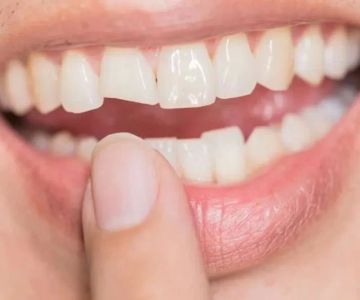
Even a tiny crack in a tooth can cause pain while chewing. These cracks are sometimes difficult to see without professional dental equipment.
3. Effective Home Methods for Temporary Tooth Pain Relief
While professional dental care is always the best long-term solution, there are several methods people use for temporary tooth pain relief at home.
3.1 Saltwater Rinse
One of the simplest and most widely recommended remedies is a warm saltwater rinse. Salt helps reduce bacteria and may decrease swelling around irritated gums.
3.2 Cold Compress for Swelling
If tooth pain is accompanied by swelling, applying a cold compress to the outside of the cheek can help reduce inflammation and numb the area temporarily.
3.3 Over-the-Counter Pain Relief
Common non-prescription pain relievers can help reduce discomfort until a dental appointment is available. However, these medications should only be used according to recommended guidelines.
3.4 Avoiding Trigger Foods
During periods of sensitivity, avoiding extremely hot, cold, or sugary foods can reduce irritation to the affected tooth.
4. When Tooth Pain Means You Should See a Dentist
Although home remedies may offer temporary comfort, persistent tooth pain often signals a deeper issue that requires professional attention.
4.1 Pain That Lasts Several Days
If tooth pain continues for more than two or three days, it is usually a sign that an underlying dental problem needs treatment.
4.2 Swelling or Fever
Swelling in the gums or face, especially when accompanied by fever, could indicate infection. Dental infections should be treated promptly to prevent complications.
4.3 Difficulty Chewing
Pain while chewing or biting down can signal a cracked tooth or nerve irritation.
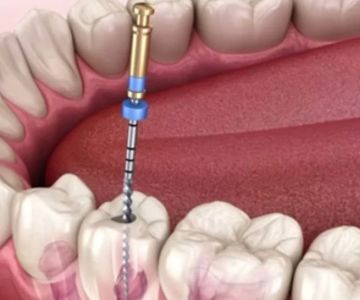
In situations like these, dental professionals can evaluate the problem and recommend appropriate treatments such as fillings, root canal therapy, or gum treatment.
5. A Real-Life Story About Ignoring Tooth Pain
A patient once described how a small tooth sensitivity gradually became a severe ache over several months. At first, the discomfort only appeared when drinking cold beverages, so the patient assumed it was nothing serious.
Eventually, the pain began waking them up at night. When they finally visited a dental clinic, the dentist discovered a deep cavity that had reached the nerve of the tooth.
After treatment, the patient mentioned something many dentists hear often: “I wish I had come in earlier.” This experience highlights why understanding Most Patients Don’t Realize The Complete Guide to Tooth Pain Relief for everyday dental issues can make a major difference in preventing severe discomfort.
6. Preventing Tooth Pain Before It Starts
The most effective tooth pain relief strategy is prevention. Maintaining consistent oral care habits can significantly reduce the chances of experiencing severe dental discomfort.
6.1 Daily Brushing and Flossing
Brushing twice a day and flossing daily removes plaque buildup that can lead to cavities and gum disease.
6.2 Regular Dental Checkups
Routine dental examinations allow professionals to identify early signs of decay, gum disease, or tooth damage before symptoms become painful.
6.3 Balanced Diet and Hydration
Reducing sugary foods and drinking plenty of water helps maintain a healthier oral environment.
Many patients find it helpful to consult professional dental resources when they notice unusual symptoms. Platforms like Family Dentistry Online often provide educational information about dental care, treatment options, and preventive strategies that support long-term oral health.
By understanding the causes of tooth pain and taking action early, patients can reduce discomfort, avoid serious dental procedures, and maintain a healthier smile for years to come.

 Pavilion Dental Group4.0 (151 review)
 Pennsylvania Endodontic Specialists4.0 (155 review)
 University Dental Group4.0 (541 review)
 My Dentist of Cape Coral4.0 (284 review)
 Odyssey Dental4.0 (197 review)
 Familia Dental4.0 (458 review)
 The Importance of Oral Health Education During Pregnancy for a Healthy Pregnancy
 Best Tips for Brushing Your Teeth Properly for Healthy Gums: Essential Techniques for Oral Health
 Why Skipping Dental Checkups Can Lead to Bigger Oral Health Problems
 Advantages of Porcelain Dental Restorations
 How Can Diabetes Cause Tooth and Gum Problems? Preventing and Managing Oral Health Issues
 Healthy Habits for Promoting Good Oral Health and Hygiene: Tips for a Healthy Smile