
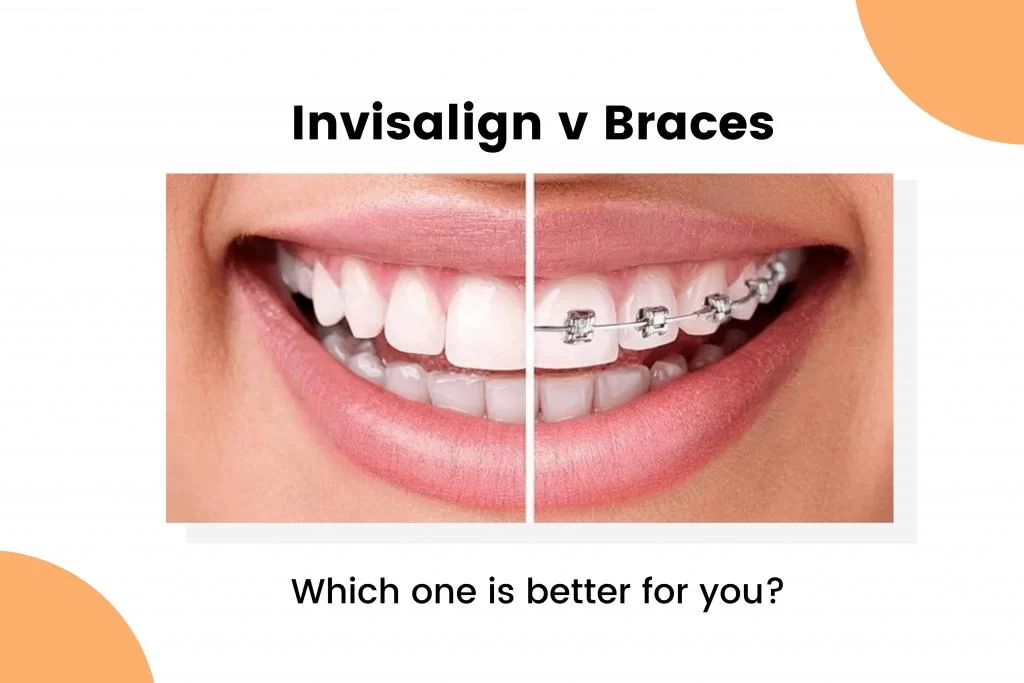
Invisalign vs. Braces: Which Option is Best for You?
- Introduction to Invisalign and Braces
- Pros and Cons of Invisalign
- Pros and Cons of Traditional Braces
- Which Option Should You Choose?
- Real-Life Stories and Cases
- How to Get Started with Invisalign or Braces
1. Introduction to Invisalign and Braces
When it comes to orthodontic treatment, two popular options come to mind: Invisalign and traditional braces. Both methods are designed to straighten your teeth and improve your smile, but each has its own set of advantages and challenges. Understanding these differences can help you make an informed decision about which treatment is right for you.
2. Pros and Cons of Invisalign
Invisalign is a revolutionary treatment using clear, removable aligners to straighten teeth. Unlike traditional braces, which are fixed to your teeth, Invisalign aligners can be taken out for eating, brushing, and flossing. This flexibility makes Invisalign a popular choice for adults and teenagers alike who prefer a more discreet treatment option.
- Pros:
- Invisible: Aligners are clear, making them nearly undetectable to others.
- Removable: You can take them out to eat, drink, or brush your teeth.
- Comfortable: The aligners are smooth and less likely to irritate your mouth compared to metal braces.
- Cons:
- Requires discipline: You need to wear the aligners for 20-22 hours per day.
- Not suitable for all cases: Some severe dental issues may require traditional braces.
3. Pros and Cons of Traditional Braces
Traditional braces have been around for decades and remain a tried-and-true solution for straightening teeth. They consist of metal brackets and wires that are adjusted over time to gradually move your teeth into the desired position.
- Pros:
- Effective for complex cases: Braces are more effective for correcting severe alignment issues, such as large gaps or crooked teeth.
- Permanent: Since braces are fixed, you don't need to worry about forgetting to wear them.
- Cons:
- Visible: Braces are often noticeable, which can be a drawback for some individuals.
- Food restrictions: Certain foods can damage the braces or get stuck in them.
- More maintenance: Regular adjustments and visits to the orthodontist are necessary.
4. Which Option Should You Choose?
When deciding between Invisalign and traditional braces, the right choice depends on several factors, including the severity of your dental issues, your lifestyle, and your aesthetic preferences. If you have a complex alignment issue, traditional braces might be the best option. However, if you're looking for a more discreet and flexible solution, Invisalign could be the way to go.
5. Real-Life Stories and Cases
Many people have benefited from either Invisalign or traditional braces. Take Sarah, for example, a professional who chose Invisalign to avoid the appearance of metal braces. After 18 months, her teeth were perfectly aligned, and she felt much more confident about her smile. On the other hand, John, a teenager with severe overcrowding of his teeth, opted for traditional braces. After two years of treatment, his teeth were beautifully aligned, and the braces worked well with his growing teeth.
6. How to Get Started with Invisalign or Braces
Getting started with either Invisalign or traditional braces is easy! The first step is to consult with an experienced orthodontist who can evaluate your teeth and recommend the best treatment for you. From there, your orthodontist will create a personalized plan to help you achieve the smile you've always wanted.
If you're considering Invisalign or braces, take the time to explore your options further. For more information and to schedule a consultation, visit Dentistry Toothtruth for expert advice and services tailored to your needs.






 Matawan Dental Galleria5.0 (307 review)
 Neptune Dental Care4.0 (529 review)
 Gig Harbor Orthodontics5.0 (143 review)
 Chapman Implant & Comprehensive Dentistry5.0 (254 review)
 Laurie Gormley DDS3.0 (6 review)
 Gentle Family Dentistry5.0 (60 review)
 The Importance of Oral Health Education During Pregnancy for a Healthy Pregnancy
 Best Tips for Brushing Your Teeth Properly for Healthy Gums: Essential Techniques for Oral Health
 Why Skipping Dental Checkups Can Lead to Bigger Oral Health Problems
 Advantages of Porcelain Dental Restorations
 How Can Diabetes Cause Tooth and Gum Problems? Preventing and Managing Oral Health Issues
 Healthy Habits for Promoting Good Oral Health and Hygiene: Tips for a Healthy Smile