
How to Use a Water Flosser Effectively: Top Tips for Maximum Dental Health Benefits
- Understanding Water Flossers
- Water Flossing Techniques for Best Results
- Benefits of Water Flossing for Gum Health
- Common Mistakes to Avoid When Using a Water Flosser
- Real-Life Examples and Success Stories
- Conclusion
Water flossers are a popular dental tool used to clean between teeth and along the gumline. Unlike traditional string floss, a water flosser uses a stream of pulsating water to remove food particles, plaque, and bacteria. It’s particularly effective for individuals with braces, dental implants, or those who find traditional flossing difficult. Understanding how to use a water flosser effectively is key to reaping its full benefits.
Water Flossing Techniques for Best Results
To maximize the benefits of your water flosser, proper technique is essential. Here are some tips to ensure you’re using it effectively:
1. Start Slow
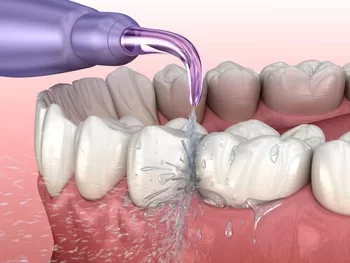
If you're new to water flossing, start with a lower pressure setting and gradually increase it as you become more comfortable. Begin by aiming the nozzle at your gum line and move along each tooth, making sure to cover all areas of your mouth.
2. Use the Right Tip
Most water flossers come with different tips, each designed for specific needs. For general flossing, a standard tip is ideal. However, if you have braces or dental implants, you may want to use a specialized tip for better reach and precision.
3. Angle the Tip Correctly
Hold the water flosser’s tip at a 90-degree angle to your gums. This allows the water to effectively flush out debris and bacteria. Make sure to keep the tip just above the gum line to get the best cleaning results.
4. Don’t Rush
It’s important to take your time when using a water flosser. Aim the stream at each tooth for a few seconds, moving around your mouth to clean between each set of teeth thoroughly. This ensures all areas are cleaned effectively.
5. Follow with Regular Brushing
Water flossing is a great addition to your oral care routine, but it should not replace brushing. Always brush your teeth thoroughly before using a water flosser for optimal results.
Benefits of Water Flossing for Gum Health
Water flossing offers several advantages over traditional flossing. Here are a few key benefits:
1. Reduces Gum Inflammation
Studies have shown that water flossing can help reduce gum inflammation and promote healthier gums. The pulsating water cleans deep beneath the gumline, where bacteria and plaque can accumulate.
2. Enhances Oral Hygiene
Water flossing reaches areas that brushing and traditional flossing sometimes miss, providing a more thorough clean. Regular use of a water flosser can help prevent plaque buildup and cavities.
3. Ideal for Sensitive Gums
If you have sensitive gums or dental work like braces, a water flosser can be gentler on your mouth while still providing an effective clean. The pressure can be adjusted, making it more comfortable for those with sensitivity.
Common Mistakes to Avoid When Using a Water Flosser
To get the most out of your water flosser, avoid these common mistakes:
1. Using Too Much Pressure
While it might seem like more pressure equals better cleaning, using too much can actually irritate your gums. Start with a lower setting and adjust it as needed.
2. Not Reaching All Areas
Make sure to move the nozzle around your mouth and target all of your teeth and gums. Skipping areas, especially the back molars, can leave plaque behind.
3. Not Cleaning Your Water Flosser
Regularly clean your water flosser to ensure it functions properly. Bacteria can build up inside the unit, which can be transferred back to your mouth. Follow the manufacturer’s instructions for cleaning and maintenance.
Real-Life Examples and Success Stories
Many users have shared positive experiences after incorporating water flossing into their daily routine. For example, Sarah, a long-time user of traditional floss, switched to a water flosser due to braces. She noticed a significant reduction in gum irritation and found it much easier to clean around her braces.
Another example is John, who struggled with gum sensitivity. After using a water flosser for a few weeks, he reported less bleeding when flossing and better overall gum health. He now uses it daily as part of his oral care routine.
Conclusion
Using a water flosser effectively is a simple yet powerful way to improve your oral hygiene routine. By following proper techniques and incorporating it into your daily regimen, you can enjoy healthier gums and a brighter smile. For more information or to purchase a high-quality water flosser, visit Dentistry Toothtruth.

 Pediatric Dental Associates of Ambler4.0 (612 review)
 Dr. William G. Gardner, DDS4.0 (12 review)
 Happy Teeth Dental Care, PC4.0 (193 review)
 Chaska Family Dental4.0 (266 review)
 Lake Minnetonka Orthodontics4.0 (40 review)
 Elegant Smiles of Sea Girt4.0 (130 review)
 The Importance of Oral Health Education During Pregnancy for a Healthy Pregnancy
 Best Tips for Brushing Your Teeth Properly for Healthy Gums: Essential Techniques for Oral Health
 Why Skipping Dental Checkups Can Lead to Bigger Oral Health Problems
 Advantages of Porcelain Dental Restorations
 How Can Diabetes Cause Tooth and Gum Problems? Preventing and Managing Oral Health Issues
 Healthy Habits for Promoting Good Oral Health and Hygiene: Tips for a Healthy Smile