
How to Treat Tooth Sensitivity at Home
- 1. Introduction to Tooth Sensitivity
- 2. Common Causes of Tooth Sensitivity
- 3. Home Remedies for Treating Tooth Sensitivity
- 4. Real-Life Experiences with Tooth Sensitivity Treatment
- 5. Preventive Tips to Avoid Tooth Sensitivity
- 6. Why Choose Dentistry Toothtruth for Tooth Sensitivity Treatment
1. Introduction to Tooth Sensitivity
Tooth sensitivity is a common issue that affects millions of people worldwide. It occurs when the enamel protecting your teeth wears down, exposing the underlying dentin, which contains nerve endings. This can lead to discomfort or sharp pain when eating or drinking hot, cold, sweet, or acidic foods. The good news is that there are several ways to treat tooth sensitivity at home, helping you alleviate the discomfort and restore your smile without always needing professional intervention. In this article, we will explore the causes of tooth sensitivity and the best at-home remedies you can try.
2. Common Causes of Tooth Sensitivity
Understanding the root cause of your tooth sensitivity is the first step in finding an effective solution. Some of the most common causes include:
- Worn Tooth Enamel – Over time, tooth enamel naturally wears down due to brushing too hard, using abrasive toothpaste, or consuming acidic foods and drinks.
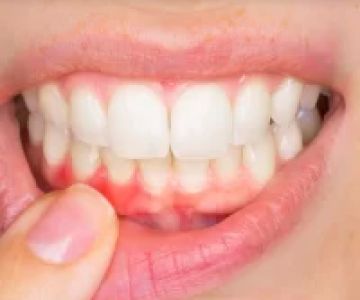
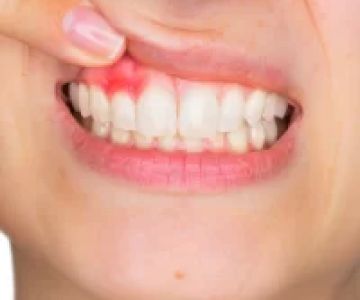
- Gum Recession – Gum recession exposes the tooth roots, which are more sensitive than the enamel-covered surface. This can result from gum disease, aggressive brushing, or aging.
- Tooth Decay – Cavities can cause increased sensitivity, especially when they penetrate deep into the tooth.
- Teeth Grinding – Frequent grinding of teeth, often due to stress, can wear down enamel and lead to tooth sensitivity.
- Recent Dental Procedures – Some dental treatments, such as fillings or cleanings, can temporarily increase tooth sensitivity.
Identifying the cause of your sensitivity can help you determine the most effective home treatment for relief.
3. Home Remedies for Treating Tooth Sensitivity
There are several at-home remedies that can help you manage tooth sensitivity and ease the discomfort. Here are some of the most effective treatments:
- Desensitizing Toothpaste – Specially formulated toothpaste for sensitive teeth contains compounds that block pain signals from the tooth's surface to the nerve, providing long-term relief with regular use.
- Saltwater Rinse – A warm saltwater rinse can reduce inflammation and kill bacteria, offering relief from gum-related sensitivity.
- Fluoride Gel – Applying fluoride gel to your teeth can strengthen enamel and reduce sensitivity. This can be done at home by purchasing fluoride products available at your local pharmacy.
- Avoid Acidic Foods – Limiting acidic foods and beverages like citrus, tomatoes, and soda can help prevent further enamel erosion and reduce sensitivity.
- Cold Compress – If the sensitivity is related to inflammation or recent dental work, applying a cold compress to the outside of your mouth can help alleviate discomfort.
These home remedies can help manage and reduce tooth sensitivity over time, making it more manageable and less disruptive to daily life.
4. Real-Life Experiences with Tooth Sensitivity Treatment
Many people have successfully treated their tooth sensitivity at home with simple remedies. One individual shared their experience of using desensitizing toothpaste regularly, which provided noticeable relief from the sharp pain they felt when drinking cold beverages. They found that, after a few weeks, their sensitivity had significantly decreased.
Another person mentioned how they struggled with sensitivity after a recent dental cleaning. By using fluoride gel at home, they noticed a reduction in discomfort within just a few days, and the pain no longer interfered with their ability to eat or drink normally.
These stories show that with the right at-home treatments, managing tooth sensitivity can be easier than you might think. Consistent care and prevention are key to maintaining relief.
5. Preventive Tips to Avoid Tooth Sensitivity
Preventing tooth sensitivity from occurring in the first place is just as important as treating it. Here are some tips to help protect your teeth and reduce the likelihood of sensitivity:
- Brush Gently – Use a soft-bristled toothbrush and gentle pressure when brushing to avoid damaging your enamel or gums.
- Use a Straw – When drinking acidic beverages like soda or juice, use a straw to minimize contact with your teeth and reduce enamel erosion.
- Protect Your Teeth from Grinding – If you grind your teeth at night, consider using a mouthguard to protect your enamel.
- Visit Your Dentist Regularly – Regular dental check-ups can help detect early signs of sensitivity or tooth decay, allowing for timely treatment.
By following these preventive measures, you can protect your teeth and reduce the chances of experiencing sensitivity in the future.
6. Why Choose Dentistry Toothtruth for Tooth Sensitivity Treatment
If you are struggling with tooth sensitivity, Dentistry Toothtruth offers expert advice and solutions for treating the condition. Their team of dental professionals can help diagnose the underlying cause of your sensitivity and recommend effective treatments tailored to your needs. Whether you need a professional fluoride treatment or custom recommendations for managing sensitivity at home, Dentistry Toothtruth is here to help.
For more personalized care and advice, visit Dentistry Toothtruth and schedule an appointment today.

 Pediatric Dental Associates of Ambler4.0 (612 review)
 Dr. William G. Gardner, DDS4.0 (12 review)
 Happy Teeth Dental Care, PC4.0 (193 review)
 Chaska Family Dental4.0 (266 review)
 Lake Minnetonka Orthodontics4.0 (40 review)
 Elegant Smiles of Sea Girt4.0 (130 review)
 The Importance of Oral Health Education During Pregnancy for a Healthy Pregnancy
 Best Tips for Brushing Your Teeth Properly for Healthy Gums: Essential Techniques for Oral Health
 Why Skipping Dental Checkups Can Lead to Bigger Oral Health Problems
 Advantages of Porcelain Dental Restorations
 How Can Diabetes Cause Tooth and Gum Problems? Preventing and Managing Oral Health Issues
 Healthy Habits for Promoting Good Oral Health and Hygiene: Tips for a Healthy Smile